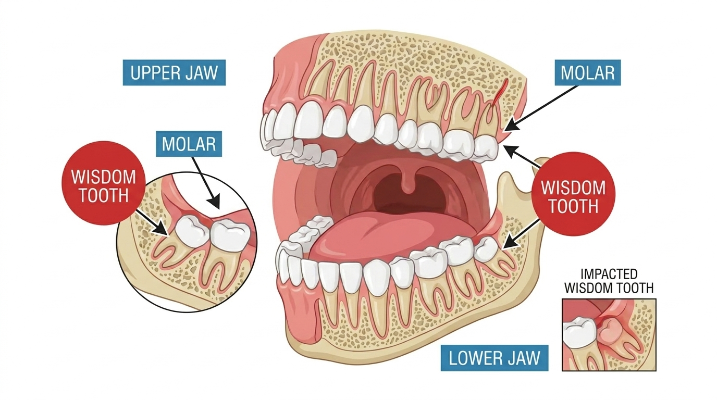
Wisdom Teeth Emergence, Complications, and Care
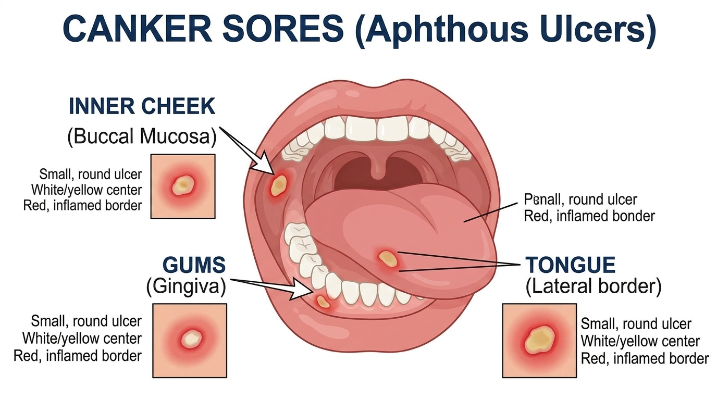
Canker Sores Causes, Treatment, and When to See a Professional
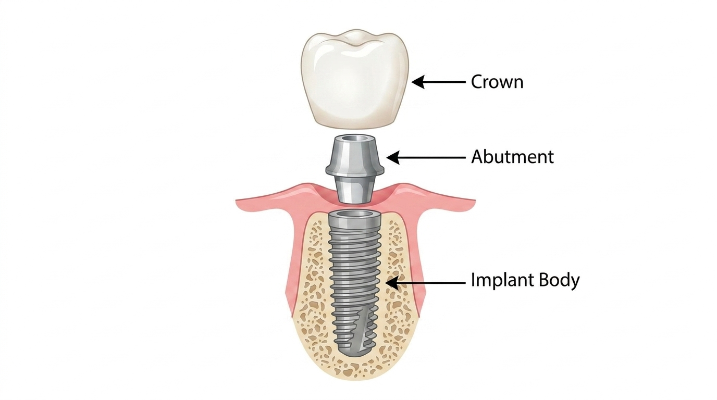
Dental Implants A Comprehensive Guide to Oral Health Solutions
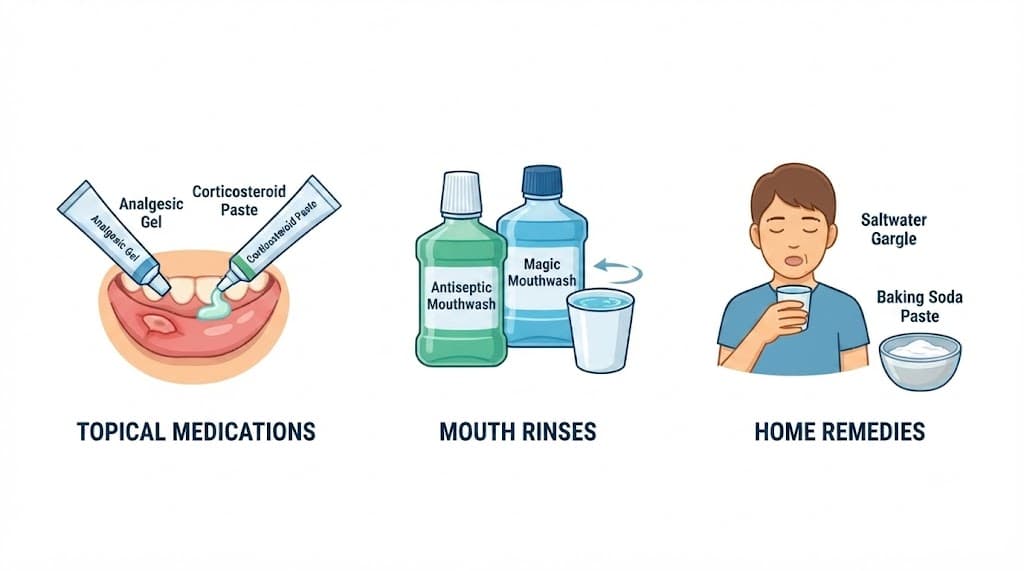
Canker Sore Treatments Relief Options, Home Remedies, and When to Get Help
Teeth Whitening In-Office VS At-Home Costs and What Actually Works
Teeth whitening is the most requested cosmetic dental procedure in the United States, and the options range from a twenty dollar box at a pharmacy to a treatment costing over a thousand dollars in a dental office.
The difference between them comes down to three variables: the concentration of the active ingredient, how long it stays in contact with the teeth, and how well the product is fitted to your mouth. Understanding those variables makes it much easier to choose sensibly.
How Whitening Works
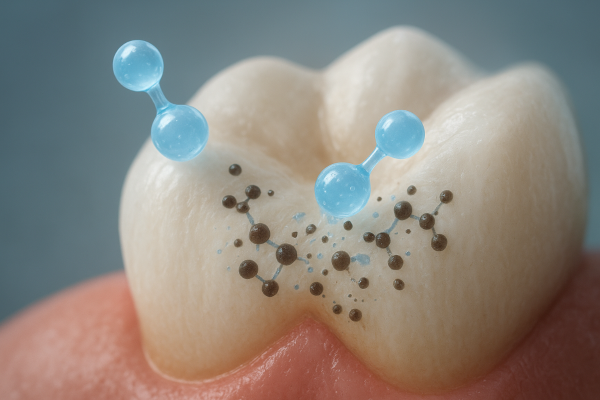
Nearly all effective whitening products rely on one of two active ingredients: hydrogen peroxide or carbamide peroxide, which breaks down into hydrogen peroxide. These compounds penetrate the enamel and break apart the molecules that cause discoloration.
Products that contain neither of these, including most whitening toothpastes, charcoal products, and many natural remedies, generally work by mechanical abrasion. They can remove some surface staining but do not change the underlying color of the tooth, and abrasive products used aggressively can wear enamel over time.
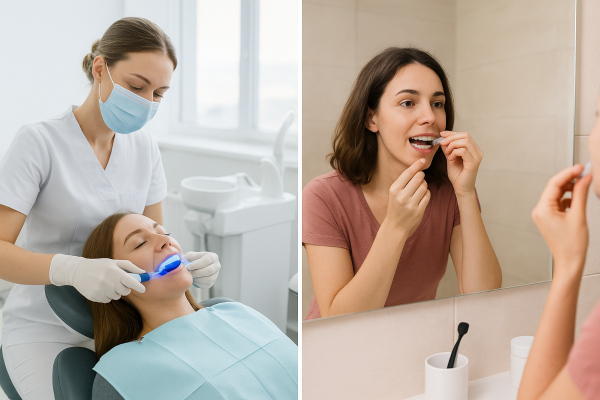
In-Office Professional Whitening
In-office treatment uses the highest peroxide concentrations available, applied by a dental professional who protects the gums and soft tissue beforehand. Some systems use a light or laser, though evidence on whether light activation meaningfully improves results is mixed.
Typical cost runs roughly $300 to $1,000 per session, with most practices falling between $400 and $700. Treatment takes about 60 to 90 minutes and produces visible results immediately.
The advantages are speed, supervision, and predictability. A professional can assess whether whitening is appropriate for your teeth before starting, protect sensitive areas, and manage any reaction that occurs. The disadvantage is cost, and results still fade over time.
Dentist-Provided Take-Home Trays
This option is frequently the best value and is often overlooked. The dentist takes impressions and produces custom trays molded precisely to your teeth, then supplies professional-strength gel to use at home.
Typical cost runs roughly $200 to $600 including the trays and initial gel supply. Treatment usually involves wearing the trays for a set period daily over one to two weeks.
The custom fit is what makes the difference. It holds the gel against the tooth surface and away from the gums, which improves results and reduces irritation compared with a one-size strip or a boil-and-bite tray. Once you own the trays, refill gel is comparatively inexpensive for future touch-ups, which makes this the most economical option over several years.
Over-the-Counter Products
Whitening strips are the most effective over-the-counter category, typically costing $20 to $60 per kit. They contain lower peroxide concentrations than professional products, so results take longer and are generally more modest, but they do produce genuine change.
Look for the American Dental Association Seal of Acceptance when choosing an over-the-counter product, which indicates the product has been evaluated for safety and effectiveness.
Whitening toothpastes typically cost $5 to $15 and remove surface stains through mild abrasives and polishing agents. They do not change the intrinsic color of teeth. LED kits sold online vary enormously in quality, and the light component contributes little in most consumer products; the peroxide gel does the work.
What Whitening Cannot Fix
This is the most important section for anyone considering treatment, because spending money on the wrong solution is a common and avoidable outcome.
- Dental work does not whiten. Crowns, veneers, bridges, fillings, and bonding keep their original shade. If you whiten natural teeth adjacent to a visible crown, the crown may end up noticeably darker and need replacing.
- Intrinsic stains from certain antibiotics taken during tooth development, or from excessive fluoride exposure, respond poorly to whitening. Veneers or bonding are typically the alternatives.
- Gray-toned teeth generally respond less well than yellow-toned teeth.
- A tooth that has darkened after trauma or root canal treatment may need internal bleaching, a different procedure performed by a dentist.
- Whitening does not treat decay or gum disease, and applying peroxide over untreated decay can cause significant discomfort.
Managing Sensitivity
Temporary tooth sensitivity is the most common side effect of whitening, affecting a substantial share of users. It typically resolves within a few days of stopping treatment and does not indicate permanent damage.
Practical steps that help: use a toothpaste formulated for sensitivity for two weeks before beginning treatment, reduce wear time rather than stopping entirely, take a day off between applications, and avoid very hot or very cold foods during the treatment period.
Gum irritation is usually a fit problem rather than a product problem. Gel contacting the gums causes temporary whitening and soreness of the tissue, which is another argument for custom trays over generic ones.
How Long Results Last
Whitening is not permanent. Results generally last somewhere between six months and three years, with wide variation depending on diet and habits.
Coffee, tea, red wine, dark sodas, and tobacco all accelerate restaining. Drinking staining beverages through a straw reduces contact with the front teeth. Rinsing with water after consuming them helps. Maintaining regular professional cleanings removes surface staining before it sets.
Most people maintain results with periodic touch-ups rather than repeating a full treatment, which is another reason custom trays represent good long-term value.
Safety Considerations
Peroxide-based whitening is generally considered safe when used as directed. The main risks come from overuse: excessive or prolonged application can irritate soft tissue and, at very high frequency, may affect enamel.
Whitening is not recommended during pregnancy or breastfeeding as a precaution, and is generally not advised for children with developing teeth. Anyone with untreated decay, active gum disease, cracked teeth, or extensive dental work should have a dental evaluation before whitening rather than after.
Why Teeth Discolor in the First Place
Understanding the type of staining you have makes it far easier to predict whether whitening will work for you.
Extrinsic stains sit on the enamel surface and come from coffee, tea, red wine, dark sodas, berries, curry, and tobacco. These respond well to whitening and to professional cleaning, and they are what most people are dealing with.
Intrinsic stains sit within the tooth structure. Causes include certain antibiotics taken while teeth were developing, excessive fluoride during development, trauma to a tooth, and the natural aging process as enamel thins and the yellower dentin beneath shows through. These respond less predictably and sometimes not at all.
Age-related darkening is the most common intrinsic cause and generally does respond to whitening, just more gradually than surface staining.
A Realistic Treatment Schedule
Knowing what a sensible sequence looks like prevents both disappointment and overuse.
- Have a dental exam and professional cleaning first. Removing surface deposits alone produces a visible improvement, and some patients find that is sufficient.
- Take a photograph in consistent natural light before starting. Change happens gradually and memory is unreliable.
- If using take-home trays, follow the prescribed wear time. Longer is not better and increases sensitivity without improving the result meaningfully.
- Expect most of the change within the first one to two weeks. Results plateau, and continuing past that point mostly produces sensitivity.
- Pause for at least a few days if sensitivity develops, then resume at a reduced schedule.
- Touch up periodically rather than repeating full courses. Once or twice a year is typical for maintaining results.
Cost Compared Over Five Years
Comparing initial price alone misses how these options actually behave over time.
In-office treatment repeated annually at roughly $500 per session totals around $2,500 over five years. Custom trays at $400 initially plus roughly $50 of refill gel twice yearly totals around $900. Over-the-counter strips at $40 per kit used three times a year totals around $600.
Custom trays sit close to the cheapest option in total cost while producing results much closer to in-office treatment. For anyone planning to maintain whitening long term rather than treating once for an event, they are usually the sensible choice, and the trays themselves last for years.
Choosing the Right Option
For modest surface staining and a limited budget, an ADA-accepted whitening strip is a reasonable starting point. For meaningful, lasting change at sensible cost, dentist-provided custom trays offer the best combination of results and value. For fast results before a specific event, in-office treatment delivers immediately at the highest price.
Before spending anything, book a routine exam and ask whether whitening is appropriate for your teeth and whether any visible dental work would be left mismatched. That one conversation prevents the most expensive mistake in cosmetic dentistry.