Canker Sores Symptoms, Causes, and How to Manage Them
Canker Sore Treatments Relief Options, Home Remedies, and When to Get Help
Understanding Orthodontic Palatal Expanders A Comprehensive Guide for Patients

How Much Does Dental Insurance Cost A Comprehensive Guide to Understanding Dental Coverage
Dental Crowns What They Are, Why They Are Used, and How to Care for Them
A dental crown is a custom-made cap that fits over a prepared tooth, serving a crucial role in dental restoration. Crowns are designed to protect and restore the original shape, size, and strength of a tooth. They are often recommended by dentists for several reasons, including severe decay or damage, and they help maintain dental aesthetics. Understanding the essential functions of dental crowns allows patients to make informed decisions regarding their oral health, ensuring a strong and radiant smile. In this article, we will explore the intricacies of crowns, shedding light on their applications and care techniques.
What is a Dental Crown?
Dental crowns are protective covers placed over damaged or weakened teeth, designed to restore their shape, size, strength, and appearance. These crowns encase the entire visible portion of a tooth above the gum line and serve various purposes, notably after root canals, large fillings, or to enhance the aesthetics of misshapen or discolored teeth. By providing structural support, dental crowns prevent further damage and contribute significantly to the overall functionality of the mouth, making them a viable solution for compromised dental health.
Why a Dentist May Recommend a Crown
Dentists often suggest crowns for a range of specific reasons. Primarily, they protect weakened teeth from further deterioration, especially post-procedures like root canals where the structural integrity is significantly compromised. A crown effectively restores a tooth’s original shape and size, ensuring proper function for activities such as chewing and speaking. Additionally, crowns serve valuable roles in supporting dental bridges and covering implants, thus aiding in the replacement of missing teeth and the maintenance of jaw alignment. However, it is essential to recognize that not every dental issue requires a crown. Dentists typically reserve this treatment for scenarios involving significant structural damage or fracture risk, making regular dental assessments crucial for determining the necessity of a crown versus alternative treatments.
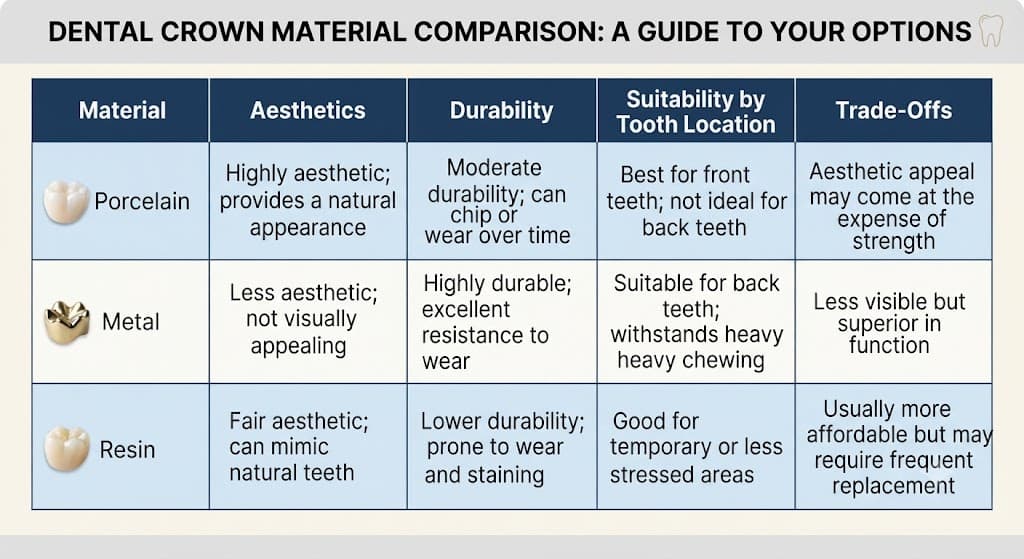
Crown Material Comparison
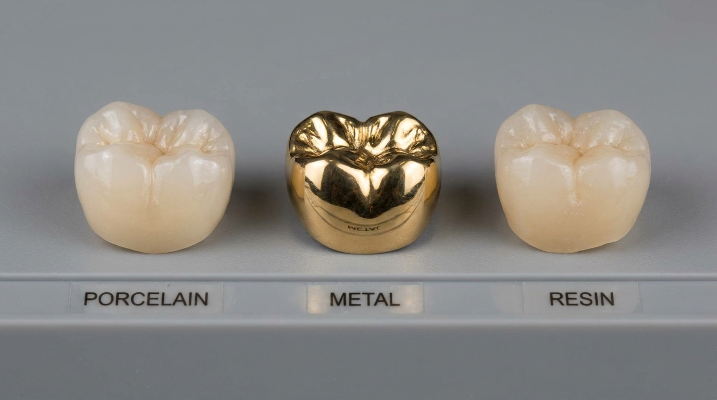
When considering a dental crown, the choice of material plays a significant role in functionality and appearance. The most common options include porcelain, metal, and resin. Porcelain crowns are favored for their aesthetic appeal, closely resembling natural teeth, and are best suited for front teeth. However, they may wear over time. Metal crowns, while less visually appealing, provide superior strength and durability, making them ideal for molars that endure heavy chewing forces. Resin crowns are a cost-effective option for minor repairs but may not last as long as porcelain or metal crowns. Understanding these materials' nuances, including their durability, aesthetic qualities, and situational appropriateness, can inform better choices for individual cases without declaring a universal best option.
How the Procedure Generally Works
The process for obtaining a dental crown typically involves one of two approaches: a multi-visit process or same-day crown placement. In a multi-visit process, the first appointment focuses on preparing the tooth by trimming it to ensure a snug fit for the crown. Following this, an impression is taken, which serves as a model for the fabricating lab. Patients often receive a temporary crown while the custom crown is being made. During the final appointment, the dentist fits the permanent crown and makes necessary adjustments to guarantee comfort and proper bite alignment.
Conversely, same-day crowns utilize advanced technology, allowing the dentist to create and place the crown in one visit. After tooth preparation, a digital impression is taken, and a milling machine crafts the crown on-site, saving time and streamlining the process significantly. It's important to remember that procedural experiences can vary, so discussing specifics with your dental professional beforehand is encouraged.
Benefits, Limitations, and Alternatives
Dental crowns provide significant benefits, primarily restoring both the function and aesthetics of damaged teeth. By encasing the affected tooth, crowns enhance structural integrity, improve appearance, and bolster bite alignment. This restoration is especially valuable for individuals with extensive decay or fractures, helping them rediscover confidence in their smiles while allowing for efficient chewing functionality. However, crowns also come with limitations. The associated costs can be considerable, and insurance may not cover the entire expense. Additionally, they require ongoing maintenance, such as regular dental check-ups, to ensure longevity and might need replacements over the years.
Alternative treatment options to crowns include fillings, veneers, and dental bridges, each bearing distinct advantages and considerations. Fillings are less invasive and more cost-effective for minor decay, while veneers are applied primarily for aesthetic enhancement of visible tooth surfaces. Bridges serve as an effective solution for missing teeth, combining functional and aesthetic benefits. The choice among these alternatives should be guided by a thorough clinical assessment, ensuring the best fit for each individual’s unique dental situation. Consulting a dental professional is vital for making informed decisions aligned with personal health needs and financial considerations.
Aftercare and Expected Adjustment
Post-crown care is instrumental for optimal healing and functionality. Begin with diligent oral hygiene; be sure to brush at least twice daily and floss around the crown to prevent plaque accumulation. It is common to experience some sensitivity to hot or cold temperatures immediately following the procedure, typically a temporary condition.
Vigilance for potential concerns is crucial. Should the crown feel loose or cause persistent pain, contacting your dentist promptly is essential, as adjustments might be necessary to ensure a comfortable fit with your bite. Additionally, any noticeable changes in color or texture warrant professional evaluation. Adhering to these guidelines helps maintain both the health of your crown and your overall dental wellbeing as you adapt post-treatment.
Problems That Need a Dentist
Following crown placement, several complications may arise that necessitate professional scrutiny. Increased sensitivity to temperature changes is a frequent complaint, as the tooth adjusts to its new covering. Looseness is another critical issue; if a crown feels unstable, immediate attention is required since this might indicate a fitting problem or complications with the tooth itself. Furthermore, porcelain crowns are vulnerable to chips or cracks, particularly if they endure excessive force.
Regular dental check-ups play a crucial role in monitoring the state of crowns and surrounding teeth. Patients should remain proactive and communicate with their dental provider if they experience ongoing discomfort, looseness, or visible damage. Early intervention can prevent more serious problems, extending the lifespan and maintaining the integrity of dental work.
Questions to Ask Before Treatment
Before undergoing a crown placement procedure, it is advisable to ask your dentist several key questions to ensure a thorough understanding of the process. Consider inquiring about:
- What crown materials are available, and which do you recommend for my case?
- Based on the chosen material, what is the expected lifespan of my crown?
- Can you provide a detailed breakdown of the costs, including any potential additional fees for future visits?
- How many appointments will be required to complete the crown placement?
- What potential risks or complications should I be aware of?
- How can I effectively care for my crown post-placement to ensure its durability?
- Will my dental insurance cover any part of the crown procedure?
By proactively asking these questions, patients empower themselves to make informed and personalized decisions regarding their dental treatment.
Maintaining Your Dental Crown for Long-Term Oral Health
Dental crowns can help protect weakened teeth, restore function, and improve the appearance of damaged teeth. Choosing the right crown material and following proper care practices can help ensure better comfort and long-lasting results.
Regular dental visits, good brushing and flossing habits, and avoiding behaviors that may damage the crown are important for maintaining oral health. If you are considering a dental crown or have concerns about an existing one, discussing your options with a dental professional can help you choose the most suitable approach for your needs.