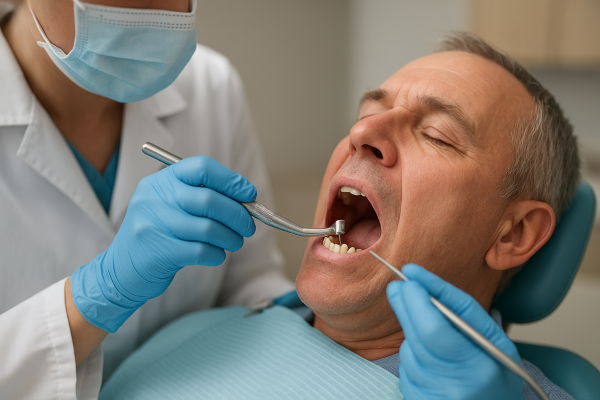
Root Canal Cost What the Procedure Involves and What to Expect
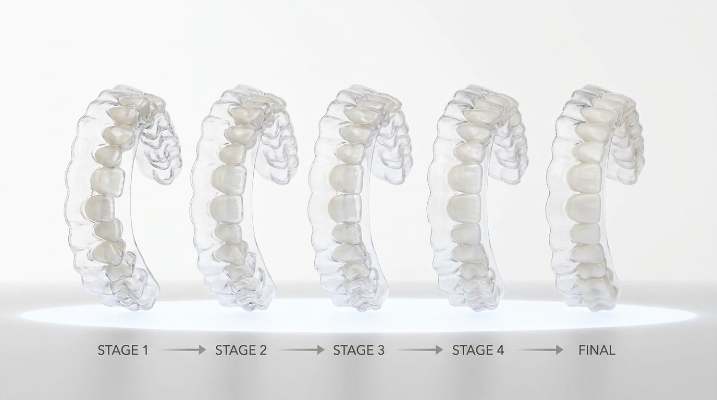
What Is Invisalign Benefits, How It Works, and What to Know
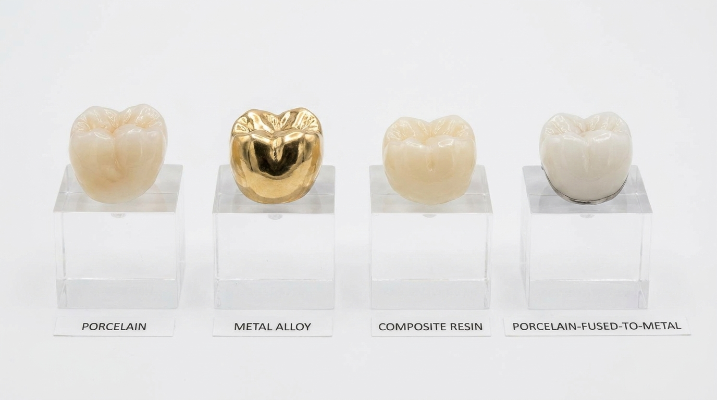
Dental Crowns What They Are, Why They Are Used, and How to Care for Them
How Much Does Dental Insurance Cost A Comprehensive Guide to Understanding Dental Coverage
What Counts as a Dental Emergency and What It Costs After Hours
Dental problems have an unhelpful habit of appearing on Friday evenings and holiday weekends. When they do, patients face two questions at once: is this actually urgent, and what is it going to cost to find out?
Knowing which situations genuinely require same-day treatment, which can safely wait until Monday, and what each path costs makes that decision considerably less stressful.
True Emergencies: Seek Care Immediately
A small number of dental situations require prompt attention, and a few require a hospital emergency department rather than a dental office.
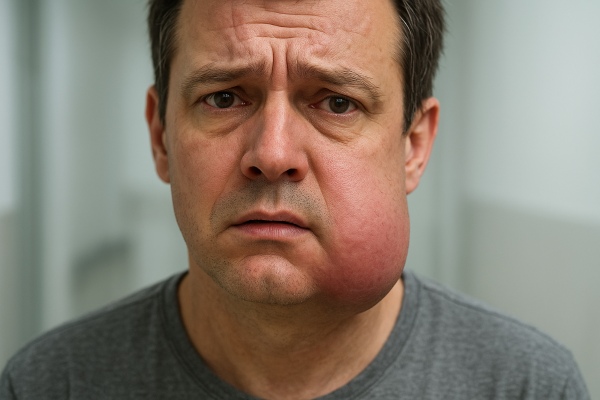
- Facial swelling, particularly swelling that extends toward the eye or down the neck, or that is accompanied by fever or difficulty swallowing or breathing. This can indicate a spreading infection and warrants emergency medical care immediately.
- A knocked-out permanent tooth. The window for successful reimplantation is short, ideally within 30 to 60 minutes.
- Uncontrolled bleeding that does not slow after 15 to 20 minutes of firm pressure.
- Trauma to the jaw with suspected fracture, inability to close the mouth normally, or injury involving loss of consciousness.
- Severe, unrelenting pain that is not responding to over-the-counter pain relief and is preventing sleep.
Swelling with fever and difficulty breathing or swallowing is the one scenario where a hospital, not a dental office, is the correct destination. Dental infections can spread into surrounding tissue spaces and become serious quickly.
Urgent but Not Emergency: Call Within 24 to 48 Hours
Most dental problems fall into this category. They need attention soon but not at two in the morning, and waiting until regular business hours is both safe and considerably cheaper.
This includes a lost filling or crown without severe pain, a chipped or cracked tooth that is not causing significant discomfort, a broken denture or orthodontic appliance, moderate toothache that responds to over-the-counter pain relief, and a dull ache that comes and goes.
Call the practice and describe the symptoms honestly. Most dental offices triage by phone and will tell you directly whether to come in immediately or take the next available appointment.
What Emergency Dental Care Costs
An emergency exam, sometimes billed as a limited or problem-focused exam, typically runs $100 to $200, plus X-rays at roughly $25 to $250 depending on how many are taken.
After-hours, weekend, or holiday appointments frequently carry an additional fee, commonly $100 to $300 on top of standard charges. This is separate from the cost of treatment itself.
Treatment costs then apply on top. Common emergency treatments and typical ranges: a simple extraction runs $150 to $300, a surgical extraction up to $800, a root canal $700 to $1,600 depending on the tooth, and recementing a crown $100 to $300. Drainage of an abscess and a prescription for antibiotics may run $150 to $500.

Hospital emergency departments generally cost substantially more and, importantly, are usually not equipped to perform definitive dental treatment. They can manage infection, control bleeding, and provide pain relief, but you will still need a dentist afterward. Use them for the genuine medical emergencies described above, not for toothache.
First Aid for a Knocked-Out Tooth
This is the situation where what you do in the first few minutes genuinely determines the outcome, so it is worth knowing in advance.
- Pick the tooth up by the crown, the chewing surface, never by the root. The cells on the root surface are what allow reattachment.
- If it is dirty, rinse briefly with milk or saline. Do not scrub it, do not use soap, and do not dry it.
- If possible, place it back into the socket and hold it gently in position by biting on a clean cloth.
- If reinserting is not possible, store it in milk. Saline or the patient's own saliva are alternatives. Plain water is a poor choice because it damages the root cells.
- Get to a dentist within 30 to 60 minutes. Success rates drop sharply after that.
- Baby teeth are not reimplanted. If a child knocks out a primary tooth, see a dentist, but do not attempt to reinsert it.
Managing Pain Until You Are Seen
Over-the-counter pain relievers taken as directed are the mainstay. Rinsing with warm salt water can help with irritation and mild swelling. A cold compress applied to the outside of the face in intervals reduces swelling from trauma.
Two things to avoid. Do not place aspirin directly against the gum or tooth, which causes a chemical burn of the soft tissue rather than relieving pain. And do not apply heat to facial swelling, which can encourage an infection to spread.
Sleeping with the head elevated often reduces throbbing pain from a dental infection, since lying flat increases pressure in the area.
Why Abscesses Should Not Be Ignored
A dental abscess is a pocket of infection, typically at the root tip or in the gum tissue. It may produce a visible bump on the gum, a bad taste, swelling, and significant pain.
A pattern that traps many patients: the pain suddenly stops. This often means the abscess has drained or the nerve tissue has died, and it feels like recovery. The infection is still present and still progressing in the bone.
Antibiotics alone do not resolve a dental abscess. They can control the infection temporarily, but the source, whether that is an infected pulp or a periodontal pocket, must be treated. Relying on repeated antibiotic courses without definitive treatment allows the underlying problem to worsen.
Options Without Insurance
Roughly 72 million Americans have no dental coverage, and emergency costs are a common reason for delayed care.
Dental schools with accredited clinics often treat urgent cases at reduced fees. Federally Qualified Health Centers and community health centers frequently offer sliding-scale pricing based on income. Many private practices offer in-house payment plans or accept third-party healthcare financing, and it is reasonable to ask about this when you call.
Some areas have dental urgent care clinics with published pricing, which can be less expensive than after-hours fees at a general practice.
Handling Specific Situations
Beyond a knocked-out tooth, several common emergencies have useful interim steps.
For a lost crown, keep it and bring it with you, as it can often be recemented. Temporary dental cement from a pharmacy can hold it in place short term. Never use household adhesives, which are toxic and can make proper recementing impossible.
For a lost filling, keep the area clean and avoid chewing on that side. Sugar-free gum or temporary filling material can cover an exposed area briefly. For a chipped tooth, save any fragment in milk or saline, as small pieces can sometimes be bonded back.
For something wedged between teeth, try gentle flossing. Never use a pin, needle, or anything sharp to dislodge it, which risks damaging the gum and driving the object deeper.
Orthodontic and Denture Emergencies
Broken appliances are uncomfortable but rarely urgent. A poking wire on braces can be tucked down with the eraser end of a pencil, or covered with orthodontic wax or a small piece of sugar-free gum until you can be seen.
A broken bracket that is still attached to the wire can usually be left in place until a scheduled appointment. If a wire has come out entirely and is causing injury, it can be clipped with sterilized nail clippers as a last resort, though calling the orthodontist first is better.
A cracked denture should not be repaired at home with glue, which contaminates the surface and often makes professional repair impossible. Most practices can repair or reline a denture relatively quickly, and using a damaged denture risks cutting the gum tissue.
What to Have Ready in Advance
- Your dentist's after-hours number saved as a contact in your phone.
- A small kit containing gauze, temporary dental cement, orthodontic wax, and a small container with a lid for storing a tooth or fragment.
- Knowledge of the nearest dental urgent care clinic and its hours, if one exists in your area.
- Your dental insurance details accessible on your phone rather than only in a drawer at home.
- For anyone playing contact sports, a custom mouthguard, which costs a fraction of replacing a front tooth.
Assembling this takes fifteen minutes and removes most of the panic from a situation that is stressful enough already.
Reducing the Odds You Need Any of This
Most dental emergencies are the end stage of something that developed gradually. A cavity that becomes an abscess, a small crack that becomes a fracture, a gum infection that becomes swelling.
Routine exams catch these at the stage where treatment is inexpensive. If you play contact sports, a custom mouthguard from a dental office, typically $150 to $400, costs a small fraction of replacing a knocked-out front tooth. Save your dentist's after-hours number in your phone now rather than searching for it during an actual emergency.