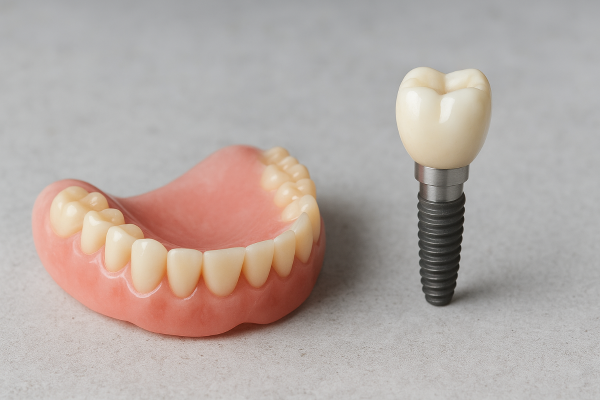
Dentures VS Implants Cost, Comfort, and Longevity Compared
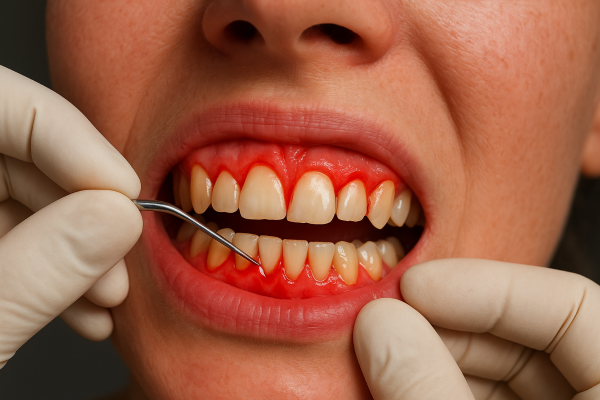
Gum Disease Stages, Treatment Costs, and What Happens If You Wait
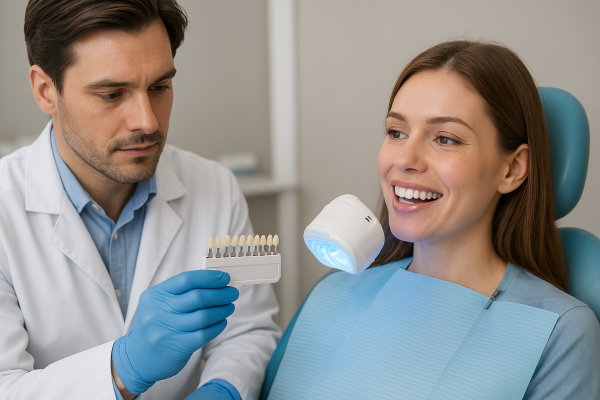
Teeth Whitening In-Office VS At-Home Costs and What Actually Works
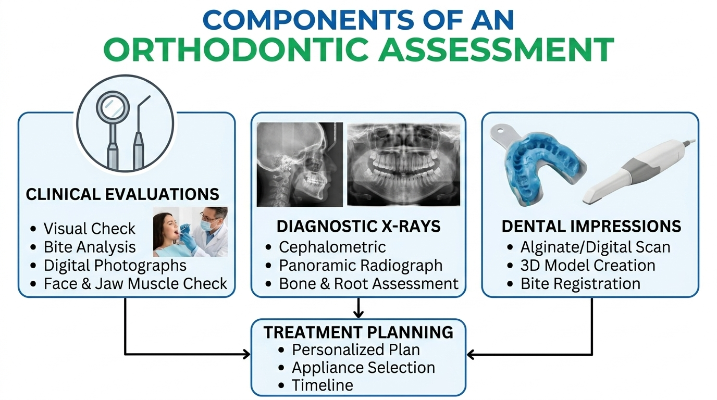
Orthodontic Assessment What to Expect and Why It Matters
Understanding Full Mouth Dental Implants Costs, Insurance, and Key Insights
If you’re seeking a long-lasting solution for your dental health and a boost in confidence through a beautifully restored smile, full-mouth dental implants could be the ideal answer. These advanced dental treatments replace entire arches of missing teeth, offering a resilient and aesthetically pleasing alternative to traditional dentures. Not only do they restore essential functionality, enabling patients to eat and speak normally, but they also enhance personal comfort and quality of life for those affected by significant tooth loss or decay. However, understanding the financial implications associated with this treatment, particularly in terms of cost and insurance coverage, becomes crucial as you consider your options. This article aims to delve into the costs involved with full-mouth dental implants, explore insurance intricacies, and highlight the importance of making well-informed choices about your dental health.
What Are Full Mouth Dental Implants?
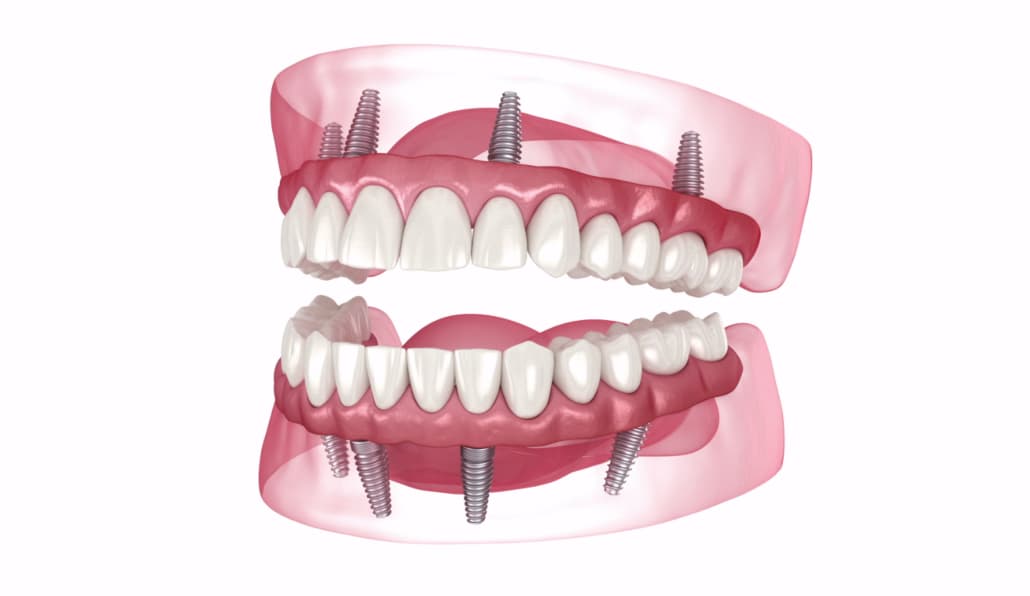
Full mouth dental implants serve as an effective solution designed to replace all missing or severely damaged teeth within an entire arch. This surgical procedure involves the insertion of several titanium posts into the jawbone, acting as artificial roots that support the replacement teeth. The aims of these implants extend beyond restoring functionality; they also significantly improve aesthetic appearance, giving patients the confident smile they desire.
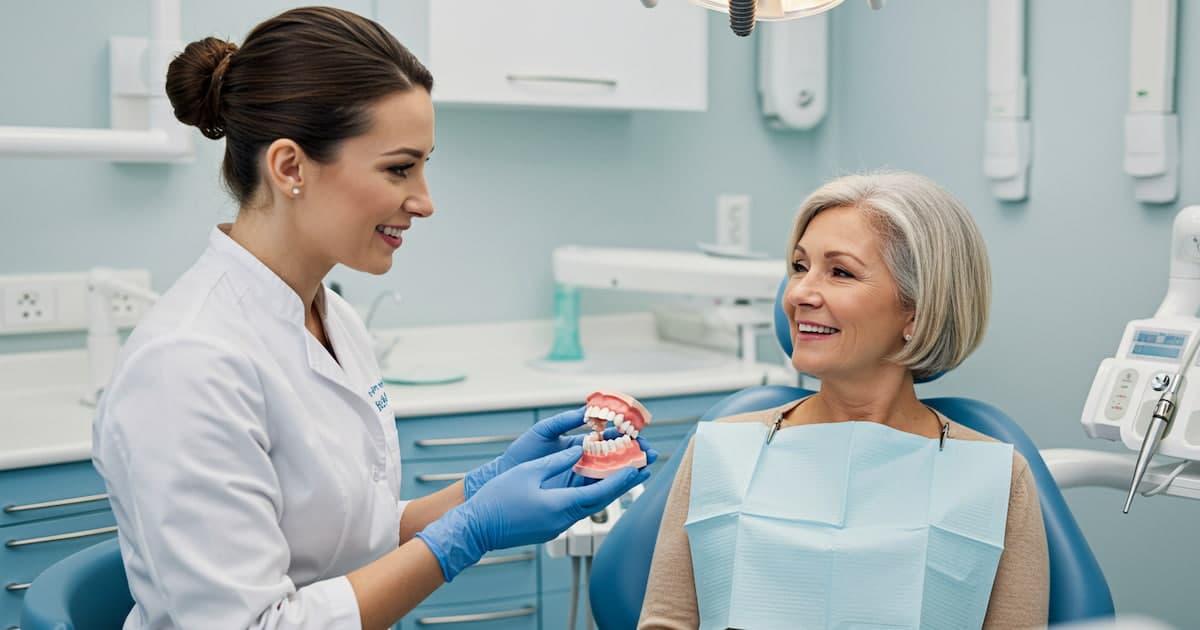
The dental implant process begins with a thorough assessment by a qualified dental professional, who will evaluate whether the patient is suitable for the procedure. Common motivations for pursuing these implants include extensive tooth loss due to decay, injury, or advanced gum disease. With the implementation of implants, individuals can regain their dental confidence and experience meaningful improvements in their oral health.
Who May Be a Good Candidate?
Individuals contemplating full mouth dental implants often face severe dental challenges that necessitate this life-altering treatment. Conditions typically prompting these considerations include the presence of multiple missing teeth as a result of decay or trauma, along with advanced gum disease that threatens the remaining dental structures. Clearly identifiable symptoms such as chronic discomfort, swelling in the gums, and challenges while chewing are significant indicators that someone might benefit from this treatment.
For example, an older individual who has undergone substantial tooth loss due to periodontal disease may discover that full mouth implants not only restore their dental function but also inspire renewed confidence in their appearance. Likewise, younger patients who have experienced dental trauma from accidents may be advised to explore full-mouth implants for a reliable and visually appealing solution. Dentists frequently recommend this option for patients in search of enduring resolutions to complex dental issues, thus enriching both their quality of life and oral health.
Types of Full Mouth Dental Implants
When considering full-mouth dental implants, patients will typically encounter two primary treatment options: fixed implants and removable implants. Understanding the nuances of each option is fundamental to making an informed decision.
1. Fixed Implants
- How They Work: Fixed implants, known as implant-supported dentures, successfully attach a prosthetic tooth bridge directly to the jawbone via titanium posts.
- Advantages: These options are renowned for their exceptional stability, resemblance to natural teeth, and the convenience of not requiring daily removal, delivering a permanent solution for missing teeth.
- Limitations: The procedure tends to be more invasive, often necessitating longer recovery periods. Patients with inadequate bone density may need to undergo preliminary grafting procedures before implants can be placed.
- Typical Use Cases: This approach is ideal for individuals desiring long-term solutions that maximize both aesthetic and functional outcomes.
2. Removable Implants
- How They Work: Utilizing overdentures secured by multiple strategically positioned implants, removable options facilitate easier cleaning as they can be taken out when needed.
- Advantages: They tend to be more budget-friendly and less invasive, allowing for adjustments over time based on patient preference.
- Limitations: There may be feelings of less stability compared to fixed options, and they will require more diligent daily maintenance.
- Typical Use Cases: These implants are suitable for patients seeking flexible and affordable solutions paired with convenient care.
By comparing both types of implants, patients can make choices that align best with their lifestyle, along with their specific dental health needs.
Benefits of Full Mouth Dental Implants
Full mouth dental implants deliver various benefits that profoundly uplift a patient’s quality of life. From an oral health standpoint, these implants substantially enhance essential functions like chewing and speaking, allowing individuals to enjoy their meals and converse confidently. Additionally, they play a pivotal role in preventing bone degeneration, as the implants provide necessary stimulation to the jawbone similar to natural teeth, which preserves its structure.
Centrally, dental implants transform smiles, fostering a more youthful and vibrant appearance. Many patients report significant improvements in self-esteem and social interactions following their treatment. The durability and longevity of materials used for full-mouth implants offer promising long-term outcomes, enhancing patient satisfaction and ongoing lifestyle improvements. As one delighted recipient stated, "My dental implants rejuvenated not only my smile but also my confidence — I feel like my true self again!"
This combination of health benefits, functional enhancements, and aesthetic improvements emphasizes that investing in full mouth dental implants is a transformative choice for one's overall dental health.
How Much Do Full Mouth Dental Implants Cost?
In the United States, full mouth dental implants generally range from $20,000 to $50,000. These price ranges can fluctuate based on numerous elements such as the type of implant procedure selected (e.g., All-on-4 versus traditional implants), the complexity of individual cases, and geographical market variations. For instance, All-on-4 implants, which typically require fewer implant posts and offer quicker recovery, may be priced between $15,000 and $25,000 per arch. Conversely, traditional implants usually necessitate more intricate dental work, leading to costs exceeding $30,000 for a complete mouth reconstruction.
It is essential to note that these figures should be viewed as general estimates and are subject to variation based on personalized treatment needs, the dentist's skill level, and extra costs related to preparatory treatments such as bone grafting. Therefore, potential patients are encouraged to consult with dental healthcare professionals for tailored cost evaluations alongside financing methods available.
Factors That Affect Cost
A variety of critical factors significantly contribute to the overall cost of full-mouth dental implants. Geographic location plays a prominent role, as pricing often varies between metropolitan and rural settings due to disparities in living costs and competition among local dental practices. The experience level of the dental professional also influences cost — more experienced professionals may charge a premium reflective of their skill set. The complexity of the treatment is another element, encompassing necessary procedures that could include extractions, bone grafts, and other preparatory actions, which all influence the overall expenses. Lastly, the materials and technology used, involving factors like high-grade implant materials and innovative imaging techniques, frequently drive up costs that ultimately affect the patient’s financial responsibility.
Additional Costs to Consider
- Initial Consultation Fees: Costs incurred during the first visit to discuss treatment options and evaluate overall dental health.
- X-Ray Costs: Pricing for imaging required to assess jawbone conditions and to plan for implant placements.
- Sedation Costs: Fees for anesthesia during surgical procedures aimed at patient comfort.
- Tooth Extractions: Costs for removing any existing teeth prior to implant positioning.
- Bone Grafts: Charges associated with additional procedures that enhance bone density for implant support, if necessary.
- Follow-Up Care: Expenses related to post-operative check-ups and ongoing maintenance to ensure healthy healing and optimal implant function.
Does Dental Insurance Cover Full Mouth Dental Implants?
Most dental insurance policies typically do not cover full mouth dental implants as they are often regarded as elective processes. Coverage may occasionally extend to partial implants or transitional dentures, although limitations frequently apply. Many insurance plans exclude procedures considered cosmetic, with waiting periods that can delay access to benefits, which can be extremely frustrating for patients eager for prompt treatment. As such, it is imperative for individuals to carefully evaluate their specific insurance plans or connect with their insurance providers for comprehensive insights into coverage parameters, exclusions, and possible out-of-pocket expenses before making decisions regarding full mouth dental implants.
Financing and Payment Options
For patients pursuing full-mouth dental implants, a variety of financing choices are available. Many dental practices provide flexible payment plans that facilitate monthly installments, alleviating the financial burden faced initially. In addition, third-party financing options such as CareCredit and LendingClub cater specifically to dental procedures, frequently featuring appealing promotional interest rates.
Utilizing Health Savings Accounts (HSAs) and Flexible Spending Accounts (FSAs) is also advantageous since dental implants typically qualify as medical expenses. Creating a robust budget is crucial; patients should evaluate their income and spending habits while considering how saving strategies or payment plans integrate into their monthly financial commitments for managing these costs effectively.
Full Mouth Dental Implants vs Alternative Treatments
When weighing the merits of full mouth dental implants against alternative choices like dentures or traditional bridges, essential comparisons emerge based on various criteria:
- Cost: While implants may present higher initial costs, their durability makes them a more economical choice over time.
- Durability and Lifespan: Full mouth implants are expected to last a decade or longer compared to 5-10 years for dentures and bridges.
- Aesthetic Appeal: Implants imitate natural teeth far more closely than dentures, which may not appear as realistic.
- Maintenance Requirements: Implants need routine oral hygiene practices, whereas dentures and bridges involve specialized care routines.
- Suitability: Each alternative may hold advantages for specific individuals contingent upon their dental health, budget, and personal preferences.
The decision ultimately revolves around comprehensive assessments of financial resources, oral health status, and personal priorities.
Risks and Considerations
While full mouth dental implants present numerous advantages, potential complications cannot be ignored. Risks encompass infection at the surgical site, implant failure from inadequate osseointegration, or misalignment of the implants themselves. Recovery timelines may differ among patients; common experiences include swelling, bruising, and discomfort that typically resolve within a few weeks. Full functional recovery may extend over several months due to the necessary healing process for bone integration. In specific instances, other treatment options—like dentures or bridgework—might prove more suitable, particularly for those with limited bone structure or other prevailing health issues. Weighing these aspects is essential for making a well-informed decision regarding one's dental health journey.
Is Full Mouth Dental Implants Worth It?
Assessing the long-term value of full-mouth dental implants requires a thoughtful evaluation of costs juxtaposed with notable benefits. While the initial financial commitment can be formidable—often ranging from $30,000 to $60,000—the enhancements in quality of life, functionality, and personal confidence can be truly transformative. These implants restore fundamental chewing abilities and aesthetic integrity, permitting individuals to eat meals and smile openly without reservations. Maintenance needs are considerably lower compared to dentures, as routine visits to the dentist and good oral hygiene practices will suffice. Ultimately, making a personalized assessment of one’s unique needs, combined with a thoughtful valuation of how much a permanent solution matters, can render these implants a worthy investment for one’s dental health and lifestyle.
How to Choose the Right Dental Provider
Choosing the appropriate dental provider is crucial for ensuring optimal oral health outcomes. Consider the following key points:
- Credentials and Experience: Validate the provider’s educational background, certifications, and proven expertise in performing full-mouth dental implants.
- Questions to Ask: Prepare vital questions regarding their treatment philosophy, successful case rates, and post-treatment care practices.
- Treatment Planning: Ensure they create a detailed treatment protocol outlining processes, timelines, and associated costs.
- Second Opinions: Don’t shy away from seeking a second opinion; it’s of utmost importance to feel assured in your healthcare decisions.
Checklist:
- Verify credentials
- Prepare insightful questions
- Request a transparent treatment plan
- Consider the value of obtaining second opinions
Following these guidelines can enhance your overall dental experience and ensure patient satisfaction.
Final Thoughts
Full mouth dental implants represent a holistic solution for individuals aiming to restore their smiles and improve their oral function. Significantly beneficial outcomes include durability, improved aesthetics, and enhanced quality of life. When pondering the associated costs, patients should weigh immediate versus long-term financial ramifications, including insurance coverage, which tends to vary significantly between plans. It is vital for patients to invest time in thorough research and engage in comprehensive consultations with dental professionals to navigate this journey effectively. Through informed decision-making, individuals can fully embrace the transformative potential of full mouth dental implants, paving the way for a confident and fulfilling future, one radiant smile at a time.