Root Canal Cost What the Procedure Involves and What to Expect
Dental Savings Plans VS Dental Insurance Which One Saves You More
Understanding Full Mouth Dental Implants Costs, Insurance, and Key Insights

How Much Does Dental Insurance Cost A Comprehensive Guide to Understanding Dental Coverage
Wisdom Teeth Emergence, Complications, and Care
Wisdom teeth, scientifically referred to as third molars, represent the final group of molars situated at the back of our mouths. Typically emerging in late adolescence or early adulthood, these teeth appear from around the ages of 17 to 25. Completing the molar arch, their primary function is grinding food. Historically, they were of great utility for our ancestors, who had a diet high in fibrous plant matter, necessitating vigorous chewing. However, as human diets evolved and jaw sizes diminished, the presence of wisdom teeth has frequently become problematic, often leading to impaction or various dental issues. Thus, comprehending their role along with the complications that may arise is paramount for effective oral health management.
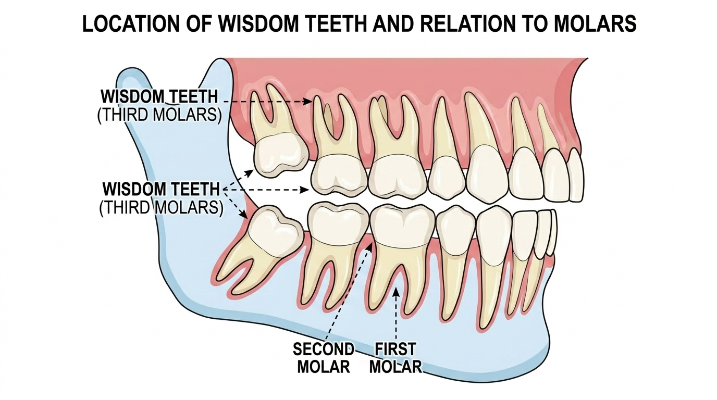
Where Wisdom Teeth Are Located and When They Appear
Wisdom teeth are typically located at the rear of the mouth, with one tooth situated in each quadrant, positioned just behind the second molars. The period during which these teeth emerge usually spans from the late teenage years into young adulthood, approximately between ages 17 and 25. This stage can be uncomfortable for many, as the wisdom teeth push through the gums, causing noticeable discomfort or pain.
The timing of wisdom teeth emergence can differ widely among individuals; while some may navigate this phase without serious issues, others may encounter significant complications such as overcrowding, impaction, or infection. Grasping the timing and location of wisdom teeth is crucial, as it enables better preparedness for potential dental evaluations, which can help determine whether extraction is necessary. Keeping a vigilant watch on their development is essential to uphold overall dental health.
How Erupted and Impacted Wisdom Teeth Differ
Wisdom teeth, often seen as the last molars, generally emerge during the late teen years or early twenties. Understanding their states of eruption is critical for maintaining dental health and addressing possible complications early on.
Fully Erupted Wisdom Teeth are those that have emerged completely and are aligned well with the rest of the dental arch. You may notice them when you smile broadly or bite into something firm, as they assist in effective chewing.
In contrast, Partially Erupted Wisdom Teeth are those that emerge only partially from the gums. This state can lead to several problems; food particles can become stuck around these teeth, resulting in discomfort, cavities, or gum infections.
Lastly, Impacted Wisdom Teeth are those that cannot fully erupt due to inadequate space or poor angling. This condition often results in discomfort, swelling, or increased risk of infection. Imagine being in a tightly packed room where not everyone can fit—an impacted wisdom tooth behaves similarly, creating pressure against adjacent teeth and leading to pain that may require professional attention.
Understanding the differences among these states is essential, as recognizing when to seek consultation with a dentist can significantly impact effective dental care.
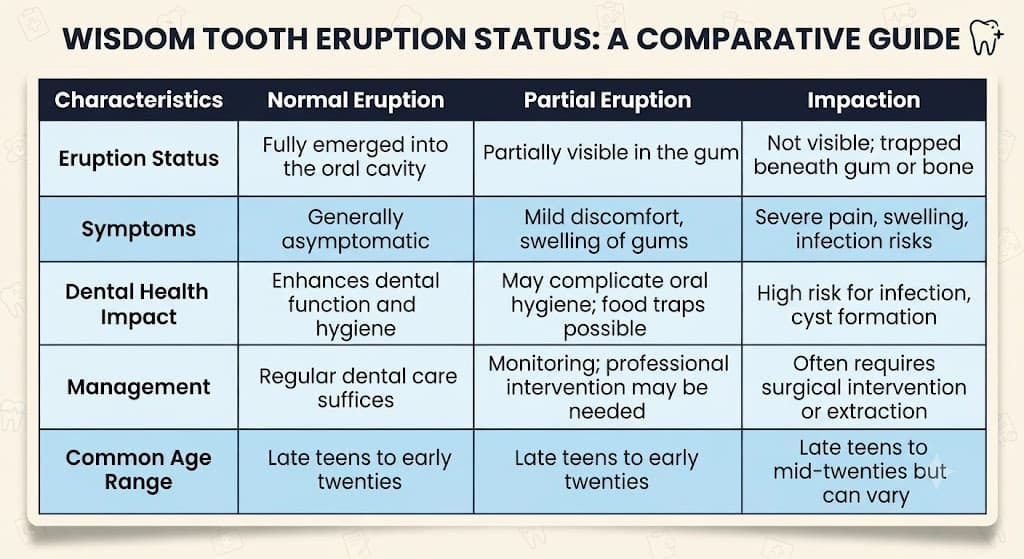
Erupted vs. Impacted Wisdom Teeth Comparison
To help readers easily understand the distinctions between normal eruption, partial eruption, and impaction of wisdom teeth, here is a concise comparison table summarizing each condition:
Signs and Symptoms of Impacted Wisdom Teeth
Impacted wisdom teeth can result in various common symptoms, primarily stemming from their inability to properly emerge from the gum line. The most frequently reported symptom is pain, which often arises from overcrowding in the mouth or pressure on adjacent teeth as the wisdom teeth attempt to erupt. This discomfort can manifest as mild, throbbing pain, escalating in intensity and radiating throughout the jaw and into the ears.
Accompanying pain, swelling is another significant symptom, frequently indicating inflammation of the gums surrounding the tooth trying to break through. This area may also exhibit redness, tenderness, or increased sensitivity when touched, warranting further attention.
Infections can occur if bacteria accumulate in the hard-to-clean areas around impacted teeth, leading to severe pain, pus formation, and even systemic symptoms such as fever. Such infections can escalate rapidly if not promptly addressed by a dental professional.
However, it's critical to recognize that the presentation of these symptoms alone does not confirm the diagnosis of impacted wisdom teeth. A comprehensive evaluation by a dentist is indispensable to assess the situation's severity and identify appropriate treatment options. Seeking out professional advice ensures any symptoms are specifically interpreted and managed, ultimately protecting your oral health.
How Dentists Evaluate Wisdom Teeth
The evaluation of wisdom teeth involves a systematic approach adopted by dentists to ascertain their status and requirements for care. The process typically begins with a comprehensive dental examination, where the dentist assesses for signs of discomfort, swelling, or infection while reviewing the alignment of the teeth and checking for overcrowding caused by the emergence of wisdom teeth.
Imaging techniques, especially X-rays, play a crucial role in this assessment. These images provide clear, detailed views of the wisdom teeth's positioning, revealing if they are impacted or misaligned. Such insight allows the dentist to evaluate the risks of potential complications like infections, cysts, or damage to neighboring teeth.
By integrating physical examination findings with X-ray results, dentists can formulate a complete picture of an individual’s wisdom teeth circumstances, empowering them to determine whether monitoring or extraction is necessary to maintain optimal oral health.
Do You Need Wisdom Teeth Removal or Monitoring?
In some instances, monitoring wisdom teeth is appropriate, particularly when they show no symptoms, are correctly aligned within the dental arch, and ample space allows for proper eruption. Regular dental check-ups are essential to keep track of their development while assessing future risks. For example, a dentist may recommend continued observation if a patient’s wisdom teeth are partially erupted without causing pain or alignment issues.
Conversely, extraction is often warranted when wisdom teeth exhibit signs of impaction, leading to discomfort, swelling, or infection. Additionally, removal is crucial if they create pressure on adjacent teeth or contribute to complications like cavities or gum disease. Because each individual’s dental landscape is unique, a thorough assessment that incorporates X-rays and expert evaluation is vital to making informed decisions concerning wisdom teeth. By considering patient-specific factors such as age, dental health, and overall individual circumstances, dentists can better discern the optimal approach—monitoring or removal. This personalized assessment is central to effective and tailored dental care.
When to Seek Urgent Dental Care
Recognizing warning signs that necessitate immediate dental attention is vital for safeguarding one’s oral health, particularly with wisdom teeth. If you experience severe pain that does not seem to respond to over-the-counter medications, this may signify an infection or impaction. Additionally, if significant, unexplained swelling occurs in the jaw or gums, this could indicate serious complications demanding urgent intervention.
Experiencing fever or an unpleasant taste in your mouth might also suggest the onset of an underlying infection requiring prompt care. Delaying a consultation with a dental professional under these circumstances could risk the progression of the issue, potentially leading to wider complications involving nearby teeth.
Listening to your body is essential, and seeking timely care can help prevent worsening conditions and safeguard your overall well-being. Don’t hesitate—early intervention can minimize pain and reduce the likelihood of requiring extensive future treatment.
Key Takeaways for Wisdom Teeth Care
Understanding the health and function of your wisdom teeth is essential for maintaining excellent oral health. These teeth often lead to complications without regular monitoring or professional assessment. Scheduling routine dental check-ups enables timely intervention, potentially preventing future issues, including infections or tooth misalignment. By prioritizing dental evaluations and heeding professional guidance, individuals can protect their oral health and significantly enhance their quality of life. Remember that proactive care today can pave the way for a healthier smile tomorrow.
Source Notes