
Root Canal Cost What the Procedure Involves and What to Expect

Cavities and Fillings Material Options, Costs, and How Long Each Lasts
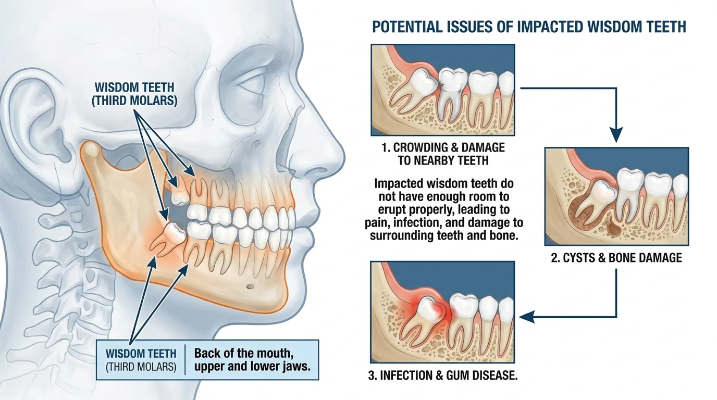
Wisdom Teeth Removal What You Need to Know
Understanding Full Mouth Dental Implants Costs, Insurance, and Key Insights
Dental Implants A Comprehensive Guide to Oral Health Solutions
Dental implants have paved the way for modern dentistry, providing a solution for those with missing teeth. These sophisticated medical devices, expertly placed within the jawbone, not only support replacement teeth but also restore functionality and aesthetics to a patient's smile. With their increasing popularity, dental implants have redefined oral health options, promoting confidence while chewing and speaking—a substantial improvement in the quality of life for many individuals. This guide delves into the intricate aspects of dental implants, highlighting their components, candidacy factors, treatment stages, and potential outcomes for those considering this transformative solution.
What Are Dental Implants?
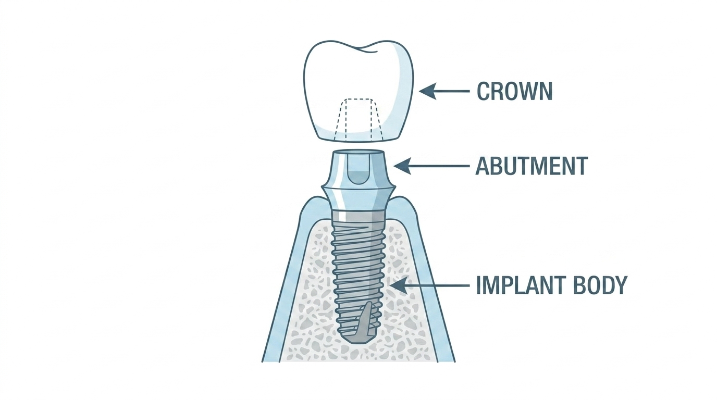
Dental implants are innovative solutions designed to replace missing teeth through a carefully engineered system. They consist of three primary components that work synergistically:
- Implant Body: This titanium post is surgically inserted into the jawbone, acting as an artificial tooth root. Its design facilitates osseointegration, where the bone integrates with the implant, providing stability and durability.
- Abutment: Positioned above the implant body, the abutment connects the implant to the visible part of the restoration, ensuring secure attachment of the crown while distributing bite forces effectively.
- Crown/Bridge/Denture: The crown, which is custom-designed to match the patient’s natural teeth, is the aesthetic component that restores the smile and enables proper speech and chewing functionality. The seamless integration of these elements leads to an improved oral healthcare experience.
What Can Implants Replace?
Dental implants are incredibly versatile, addressing different degrees of tooth loss with tailored solutions. For patients missing a single tooth, an implant replicates the natural root structure, effectively preserving jawbone integrity. In cases of multiple missing teeth, implants can support a bridge or multiple crowns, revitalizing both functional capabilities and cosmetic appearance. Furthermore, patients experiencing complete tooth loss can opt for implant-supported dentures, which offer enhanced security and comfort compared to traditional removable dentures, also improving speech and eating abilities. This personalized approach ensures that every patient receives the most effective treatment tailored to their unique dental needs.
Who Is a Good Candidate for Dental Implants?
Determining candidacy for dental implants involves careful consideration of various factors critical to success. Primarily, oral health plays a vital role; individuals must be free from gum disease and maintain good oral hygiene for optimal outcomes.
Bone density is another essential factor, as sufficient jawbone is required to anchor the implants securely. Patients with bone loss may need bone grafting to enhance their candidacy. Additionally, the healing capacity of the individual is crucial since elements such as smoking can impede recovery and elevate the risk of complications. Lastly, comprehensive evaluation of overall health is necessary, given that chronic conditions and certain medications can affect implant success. Engaging with a qualified dental professional ensures a tailored assessment based on individual circumstances.
General Treatment Stages
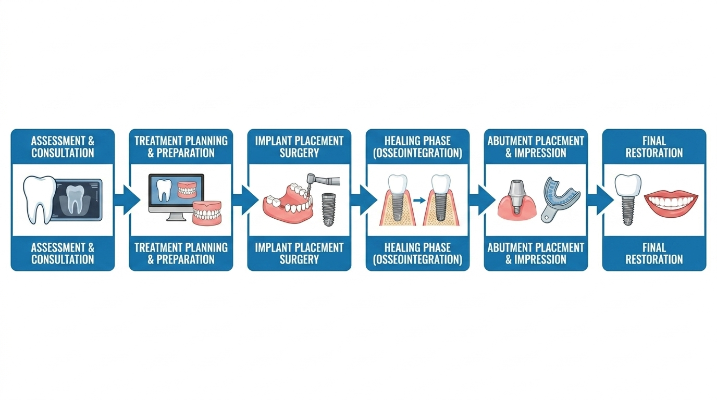
The treatment process for dental implants is systematic, involving several key stages that collectively contribute to a successful outcome. Initially, an assessment is performed, comprising a comprehensive medical history review, dental examination, and possibly imaging studies to establish candidacy.
The subsequent stage is the placement of the implant, where the titanium post is surgically placed into the jawbone. This procedure, which is typically performed under local anesthesia, usually lasts one to two hours, depending on individual case complexity. Following implant placement, the patient enters a healing phase where osseointegration occurs, typically lasting three to six months. This vital period allows the implant to fuse intimately with the bone. Finally, the restoration phase takes place, during which a custom-designed crown, bridge, or denture is securely attached to the completed implants, bringing forth functional and aesthetic benefits to the patient’s smile.
Implants vs. Bridges vs. Dentures Comparison
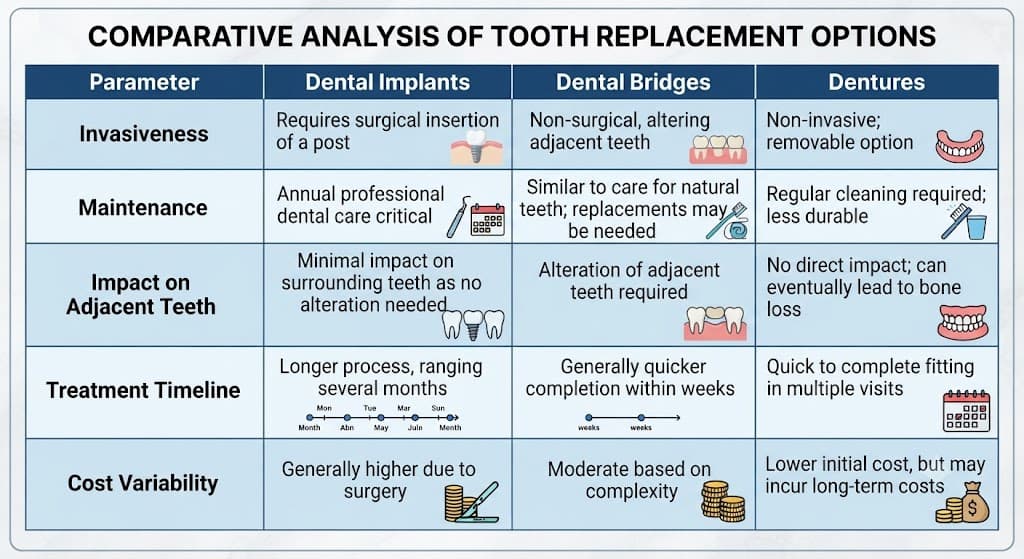
Understanding the distinctions between dental implants, bridges, and dentures can empower patients to select the option that best suits their health needs and lifestyle preferences. While implants provide a durable and minimally invasive solution, bridges offer a faster alternative at the cost of altering adjacent teeth, and dentures, though non-invasive, require diligent care.
Dental Implant Benefits and Potential Limitations
Dental implants boast numerous benefits, positioning them as the preferred option for tooth replacement. Their longevity is remarkable, often lasting a lifetime when properly maintained, in contrast to traditional dentures or bridges that may necessitate frequent replacements. Aesthetic appeal is undeniable, as implants closely mimic natural teeth, resulting in an enhanced smile and heightened self-esteem.
Functionally speaking, implants improve biting and chewing efficiency compared to other tooth replacement choices, elevating overall quality of life.
However, candidates should also note certain limitations; the initial investment can be significant, and although routine, the surgical procedure carries inherent risks such as infection or implant failure. Weighing both benefits and limitations is imperative for an informed decision about pursuing dental implants.
Dental Implant Risks and Possible Complications
Despite their advantages, dental implants are not without potential risks and complications. Surgical issues may arise, including infection, nerve damage, or sinus complications if the jawbone is inadequate.
Long-term risks, such as implant failure or peri-implantitis (inflammation affecting surrounding tissue), are also possible. Vigilance in monitoring one’s health post-surgery is essential. Symptoms that necessitate immediate consultation with a dental provider include persistent pain, unusual swelling, excessive bleeding, and difficulty biting down. Early recognition of these warning signs is vital for addressing complications, ultimately supporting the success and longevity of dental implants.
How to Care for Dental Implants Long Term
Post-treatment care is fundamental to maintaining the effectiveness of dental implants. Establishing a routine of excellent oral hygiene practices, including brushing twice daily and regular flossing, is paramount in preventing plaque buildup around the implant area. Employing an antibacterial mouthwash may further mitigate the risk of infection.
Moreover, scheduling regular dental check-ups every six months is necessary for monitoring the health of both implants and overall oral condition. These visits enable dental practitioners to catch issues in their early stages, reducing the likelihood of exacerbating concerns.
Adopting these habits—diligent oral hygiene and routine dental visits—can considerably extend the lifespan of dental implants, ensuring they continue to serve their intended purpose effectively.
Questions to Ask Your Dental Provider
Engaging in transparent communication with your dental provider is crucial when considering dental implants. Important questions to guide your discussions may include:
- Am I an ideal candidate for dental implants? It's essential to understand your eligibility based on existing oral health conditions.
- What will the total treatment and implant costs entail? Seek clarity on price breakdowns, including possible hidden fees and insurance options.
- What treatment outcomes should I realistically expect? Request statistical data regarding success rates and anticipated results.
- What are the follow-up care requirements post-treatment? Understanding the schedule for post-implant visits ensures you remain compliant with maintenance needs.
Discussing these vital points helps empower patients to approach their dental implant journey informed and ready.
Supporting Long-Term Oral Health
Dental implants can provide an effective way to replace missing teeth and restore important functions such as chewing and speaking. While implants offer many benefits, the best results depend on proper evaluation, professional treatment, and consistent aftercare.
Maintaining regular dental visits and following recommended oral care routines can help protect your implants and overall dental health over time. By understanding the process, benefits, and responsibilities involved, patients can make informed decisions that support a healthier, more comfortable smile.