Dentures VS Implants Cost, Comfort, and Longevity Compared
Understanding Orthodontic Treatment
Wisdom Teeth Removal What You Need to Know
Understanding Orthodontics A Comprehensive Guide to Treatment, Costs, and Options
Tooth Sensitivity Common Causes and When It Signals Something Bigger
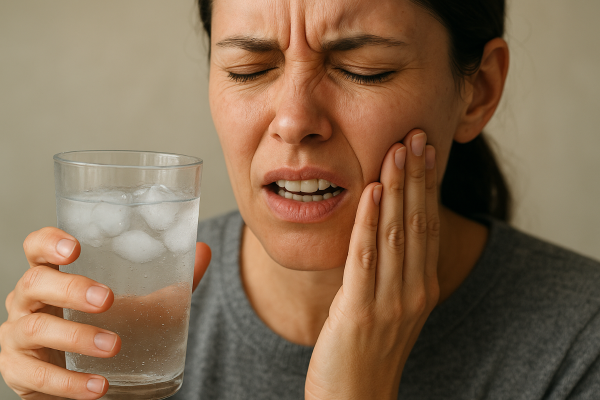
A sharp jolt when cold water hits a tooth is one of the most common dental complaints, and one of the most variable in what it means. It can indicate something as manageable as exposed root surface or as serious as an infected nerve.
The useful distinction is the pattern of the pain. How it starts, how long it lasts, and what triggers it tells a dentist a great deal, and it can tell you whether you are dealing with a minor issue or something that needs prompt attention.
The Mechanism Behind Sensitivity
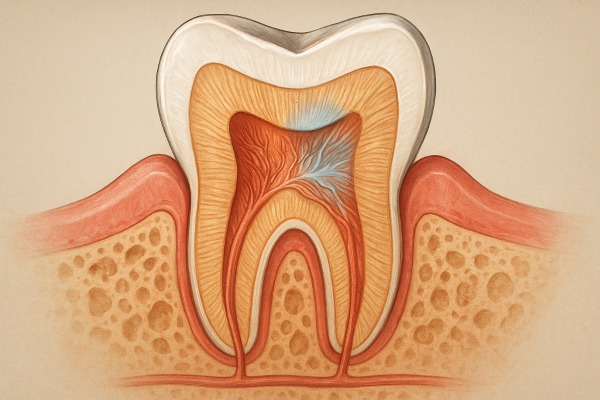
Beneath the enamel lies dentin, a layer containing thousands of microscopic tubules that lead toward the nerve at the center of the tooth. Enamel and gum tissue normally cover and protect it.
When dentin becomes exposed, whether through worn enamel or receded gums, those tubules provide a direct pathway. Temperature changes, pressure, and certain foods cause fluid movement within them, which the nerve interprets as pain. This is called dentin hypersensitivity and it accounts for the majority of sensitivity complaints.
Gum Recession
Root surfaces are covered by cementum, which is far thinner and softer than enamel. When gums recede, root surface becomes exposed and sensitivity typically follows.
Common causes include aggressive brushing with a hard-bristled brush, periodontal disease, and in some people simply thin gum tissue. Recession does not reverse on its own.
Treatment depends on severity. Desensitizing agents applied in-office typically run $25 to $100 per visit. Bonding to cover exposed root surface runs roughly $300 to $600 per tooth. Gum grafting for significant recession runs roughly $600 to $3,000 per site.
Enamel Erosion
Acid dissolves enamel, and it comes from more sources than most people realize. Dietary acids from citrus, sodas including diet varieties, sports drinks, wine, and vinegar-based foods all contribute.
Acid reflux is a significant and frequently undiagnosed cause, particularly when erosion appears on the inner surfaces of the upper teeth. Frequent vomiting from any cause produces a similar pattern, and dentists are often the first to notice it.
One counterintuitive point: brushing immediately after consuming something acidic can increase damage, because softened enamel abrades more easily. Waiting 30 to 60 minutes, or rinsing with water and waiting, is the better approach.
Teeth Grinding
Grinding and clenching wear enamel flat and create stress at the gumline that can produce notched areas where the tooth meets the gum. Both expose dentin.
Many people grind during sleep and are unaware of it. Signs include morning jaw soreness, headaches on waking, teeth that appear shortened or flattened, and a partner who reports hearing it.
A custom night guard from a dental office typically costs $300 to $800 and protects against further wear. Over-the-counter boil-and-bite guards cost $20 to $100 and fit less precisely, which reduces both comfort and effectiveness.
After Dental Treatment
Temporary sensitivity following a filling, crown, cleaning, or whitening is common and usually resolves within days to a few weeks.
Deep fillings placed close to the pulp can produce sensitivity for several weeks as the tooth settles. Whitening sensitivity typically resolves within a few days of stopping treatment.
What is not expected: sensitivity that worsens over time, pain on biting down, or sensitivity that begins well after a procedure rather than immediately. Any of these warrants a call to the practice that performed the work.
When Sensitivity Signals Something More Serious
Certain patterns point away from simple dentin hypersensitivity and toward a problem requiring prompt treatment.
- Pain lingering more than 30 seconds after the trigger is removed suggests pulp inflammation rather than surface sensitivity.
- Pain triggered by heat specifically, particularly if cold relieves it, is a recognized sign of a dying or necrotic pulp and needs prompt evaluation.
- Spontaneous pain arriving without any trigger, especially at night, is not ordinary sensitivity.
- Sharp pain on biting or releasing a bite can indicate a cracked tooth, which is easier to treat before the crack propagates.
- Sensitivity in one specific tooth that is worsening, as opposed to generalized sensitivity across several teeth.
- Any sensitivity accompanied by swelling, a bad taste, or a bump on the gum.
Generalized mild sensitivity across many teeth is usually dentin hypersensitivity. Severe, localized, or lingering pain in a single tooth is a different category of problem.
What You Can Try at Home
Desensitizing toothpaste is the standard first step. Formulas containing potassium nitrate work by calming the nerve response, while those containing stannous fluoride work partly by occluding the dentin tubules. Both typically require consistent use for two to four weeks before full effect.
A useful technique: rather than rinsing after brushing, apply a small amount of desensitizing toothpaste directly to the sensitive area with a fingertip before bed and leave it in place.
Switch to a soft-bristled brush and use gentle pressure. Many people brush far harder than necessary, and an electric brush with a pressure sensor can be useful for breaking the habit. Reduce the frequency of acidic foods and drinks, and use a straw for acidic beverages.
Professional Treatment Options
In-office fluoride varnish applications strengthen enamel and reduce sensitivity, typically $25 to $75 per application. Desensitizing agents and sealants applied to exposed root surfaces cost $25 to $100 per tooth.
Where a specific cause is identified, treating it resolves the sensitivity: a filling for decay, a crown or onlay for a cracked tooth, a night guard for grinding, periodontal treatment for gum disease, or root canal treatment where the pulp is involved.
Cracked Tooth Syndrome
This deserves separate attention because it is commonly misdiagnosed and frustrating for patients, who often report that nothing shows up on examination.
A crack too small to see on an X-ray can still cause significant symptoms. The classic presentation is sharp pain when biting down on something and, distinctively, pain on release of the bite rather than on pressure. Cold sensitivity often accompanies it.
Diagnosis usually involves a bite stick that tests individual cusps, transillumination with a bright light, and sometimes dye. Treatment depends on the crack's extent, ranging from a bonded restoration or onlay for a limited crack, to a crown, to root canal treatment if the crack reaches the pulp. A crack extending into the root generally means the tooth cannot be saved.
Early treatment matters here more than almost anywhere else in dentistry, because cracks propagate under chewing forces. A tooth treatable with an onlay this month may need extraction next year.
Sensitivity in Specific Situations
A few patterns have particular explanations worth recognizing.
Sensitivity to sweet foods specifically often indicates decay or an exposed dentin surface, and is worth having examined even when temperature sensitivity is absent.
Generalized sensitivity that developed gradually over years, particularly along the gumline of multiple teeth, usually points to recession combined with abrasion from brushing. Sensitivity concentrated on the inner surfaces of the upper front teeth points toward acid exposure, whether dietary or from reflux.
Sensitivity that began after starting a new medication is worth mentioning to both dentist and physician, since some medications reduce saliva flow, which raises decay risk and sensitivity together.
Building a Routine That Reduces Sensitivity
- Use a soft-bristled brush and hold it like a pencil rather than gripping it, which naturally reduces pressure.
- Switch to a desensitizing toothpaste and use it consistently for at least four weeks before judging it.
- Wait 30 to 60 minutes after acidic food or drink before brushing.
- Drink acidic beverages through a straw and rinse with water afterward.
- Wear a night guard if grinding is part of the picture.
- Keep regular dental exams so that decay, cracks, and recession are caught while treatment is still simple.
What to Do Next
If your sensitivity is mild, generalized, and triggered briefly by cold, start with a desensitizing toothpaste and a soft brush, and give it a month. That resolves a substantial share of cases at minimal cost.
If pain lingers, is triggered by heat, arrives on its own, or is concentrated in one tooth, book an appointment rather than waiting. Sensitivity is often the earliest warning a tooth gives, and the treatments available at that stage are far less involved than the ones available later.