Dental Veneers Cost, Candidacy, and the Questions to Ask First
Dental Savings Plans VS Dental Insurance Which One Saves You More
Understanding Orthodontic Treatment
Invisalign VS Traditional Braces Which Orthodontic Treatment is Right for You
Teeth Grinding and Night Guards Types, Costs, and Whether You Need One
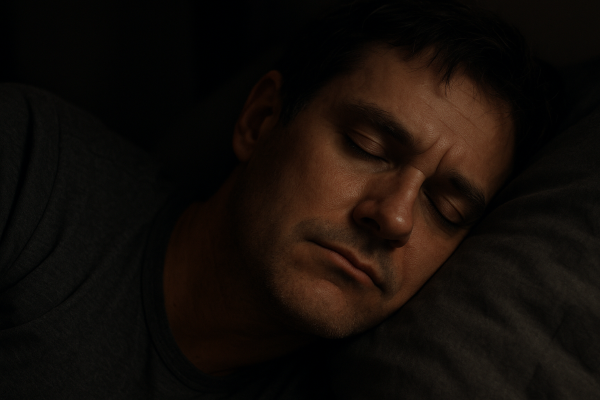
Bruxism, the clinical term for grinding and clenching the teeth, affects a substantial portion of adults, and most of them do not know they have it. The majority of grinding happens during sleep, which means the damage accumulates silently for years.
By the time it becomes obvious, the wear is usually irreversible. Recognizing it early is the difference between a few hundred dollars for a night guard and several thousand for restoring worn teeth.
The Signs You Can Notice Yourself
Because sleep bruxism is unconscious, it is usually identified indirectly. A number of symptoms point toward it.
- Jaw soreness or tightness on waking, particularly around the joint in front of the ear.
- Headaches concentrated at the temples, especially in the morning.
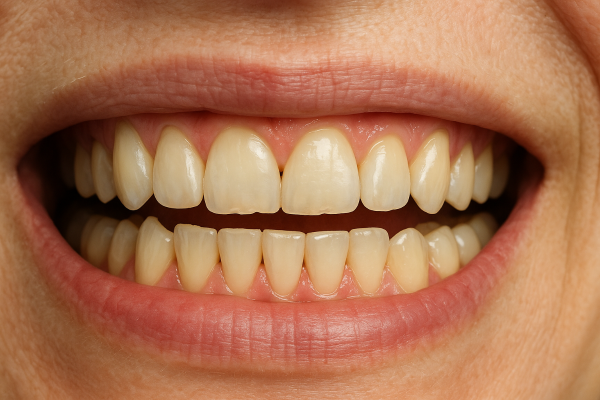
- Teeth that appear flattened, shortened, or have chipped edges.
- Increased tooth sensitivity as enamel thins.
- Notched grooves at the gumline where the tooth meets the gum.
- A partner reporting grinding sounds during the night.
- Tongue with scalloped edges or a line of thickened tissue along the inside of the cheek, both signs of pressure.
Daytime clenching is a separate pattern, often stress-related, and many people catch themselves doing it once they start paying attention. Your teeth should not be touching at rest, and noticing that they are is a useful diagnostic.
What Causes It
Bruxism has no single cause. Stress and anxiety are strongly associated with it, particularly with daytime clenching. Sleep disorders are another significant contributor, and obstructive sleep apnea in particular has a well-documented association with sleep bruxism.
Other contributors include certain medications, notably some antidepressants, along with caffeine and alcohol consumption, tobacco use, and in some cases a bite where the teeth do not fit together comfortably.
The sleep apnea connection is worth taking seriously. If grinding is accompanied by loud snoring, gasping during sleep, or persistent daytime fatigue, mention it to your physician. Treating an underlying sleep disorder sometimes reduces grinding substantially, and a night guard alone would not address the larger health issue.
Custom Night Guards From a Dental Office
A custom guard is made from impressions or a digital scan of your teeth and fabricated in a dental laboratory. Typical cost runs $300 to $800, with complex designs reaching higher.
The fit is what matters. A custom guard covers the teeth evenly, distributes force appropriately, and stays in place through the night without needing to be held by clenching, which is a real problem with poorly fitting guards.
Materials vary. Hard acrylic guards are the most durable and generally preferred for heavy grinders, typically lasting 5 to 10 years. Dual-laminate guards, soft on the inside and hard outside, offer more comfort and typically last 3 to 5 years. Soft guards are the most comfortable and least durable, often lasting only 1 to 3 years, and some clinicians find they encourage more clenching in heavy grinders.
Over-the-Counter Options
Boil-and-bite guards from a pharmacy typically cost $20 to $100. They are softened in hot water and molded by biting into them.
They provide some protection and are considerably better than nothing for a mild grinder or as a temporary measure. The limitations are real, though: the fit is approximate, they are usually bulkier, they wear through faster, and they can shift during sleep.
Mail-order custom guards occupy a middle ground, typically $100 to $300. You take an impression at home and receive a laboratory-made guard. Fit is generally better than boil-and-bite but without professional assessment of your bite, and there is no clinician checking whether the guard is doing what it should.
What Untreated Grinding Costs
This is the calculation that makes the decision straightforward. Grinding wears enamel, and enamel does not regenerate.
Worn teeth eventually need restoration. A crown runs $800 to $2,500 per tooth. Onlays run $700 to $2,000. A patient who has worn multiple teeth down significantly may be looking at full-mouth rehabilitation costing $20,000 to $50,000 or more.
Grinding also fractures existing dental work. Fractured crowns, broken fillings, and cracked porcelain veneers are common consequences, each requiring replacement. Teeth themselves can crack, which may lead to root canal treatment or extraction.
Against those figures, a $300 to $800 custom guard replaced every several years is inexpensive protection.
Jaw Joint Involvement
Chronic grinding places repeated load on the temporomandibular joints, and bruxism is frequently associated with jaw joint disorders. Symptoms include clicking or popping when opening the mouth, limited opening, pain in front of the ear, and facial muscle fatigue.
Conservative management is generally the first approach: a night guard, soft diet during flare-ups, moist heat, gentle jaw exercises, and stress management. Most cases improve with conservative care. Irreversible treatments should be approached cautiously and with a second opinion.
Insurance and Cost Management
Many dental plans cover a portion of a custom night guard, commonly around 50 percent, though some classify it as a non-covered appliance and others limit coverage to once every few years. Verify before treatment.
Night guards are generally eligible expenses under health savings accounts and flexible spending accounts, which effectively reduces the cost by your marginal tax rate. If you have an FSA with funds expiring, this is a sensible use for them.
Beyond the Guard
A night guard protects teeth but does not stop grinding. Addressing contributing factors matters for the underlying problem.
Practical measures include reducing caffeine after midday and limiting alcohol in the evening, since both affect sleep quality. Establishing a consistent wind-down routine helps. For daytime clenching, periodically checking whether your teeth are touching and consciously relaxing the jaw is simple and effective once it becomes a habit.
If stress is a major driver, addressing it directly tends to help more than any dental appliance. And if there is any suggestion of a sleep disorder, that evaluation should come first.
Grinding in Children
Bruxism is common in children, with estimates suggesting a substantial proportion grind at some point, most often during sleep. Parents frequently hear it and find it alarming.
In most cases it is outgrown without any intervention, often resolving as the permanent teeth come in. Because baby teeth are replaced anyway, wear on them carries different implications than wear on adult teeth.
It is worth mentioning at a dental visit if there is visible wear, if your child complains of jaw or ear pain, or if grinding is accompanied by snoring or breathing pauses during sleep. As in adults, the connection between sleep-disordered breathing and grinding is worth ruling out. Night guards are used less often in children because the mouth is still growing and appliances need frequent replacement.
Caring for a Night Guard
A guard is a significant purchase and reasonable care substantially extends its life.
- Rinse in cool water immediately after removing it each morning, then brush gently with a soft brush and mild soap rather than toothpaste, which is abrasive.
- Let it dry completely before storing, since a damp closed case encourages bacterial growth.
- Store it in a ventilated case, not in a pocket, bag, or on a bedside table where pets can reach it.
- Never use hot water, a dishwasher, or boiling water, all of which warp the material.
- Bring it to dental appointments so it can be checked for wear and fit.
- Replace it when it becomes thin, cracked, or no longer fits snugly.
Other Approaches Worth Discussing
A night guard protects teeth, but several other approaches address different parts of the problem and may be appropriate alongside it.
Physical therapy for the jaw, including specific exercises and manual techniques, helps some patients with associated muscle pain. Stress management approaches, including cognitive behavioral techniques, target a common underlying driver, particularly for daytime clenching.
Where sleep-disordered breathing is identified, treating it may reduce grinding meaningfully. Where a medication is contributing, a prescriber may be able to adjust it. In selected cases, clinicians use other interventions for severe bruxism with significant muscle involvement, which is a conversation for a dentist or physician familiar with your full history rather than something to pursue from an article.
A Simple Next Step
At your next dental appointment, ask directly whether there are signs of wear on your teeth. Dentists can see flattened cusps, notched gumlines, and stress fractures that are invisible to you, and they can tell you whether the pattern suggests active grinding.
If the answer is yes, getting a guard before the wear progresses is one of the highest-value preventive decisions available in dentistry. If the answer is no, you have spent nothing to find out.