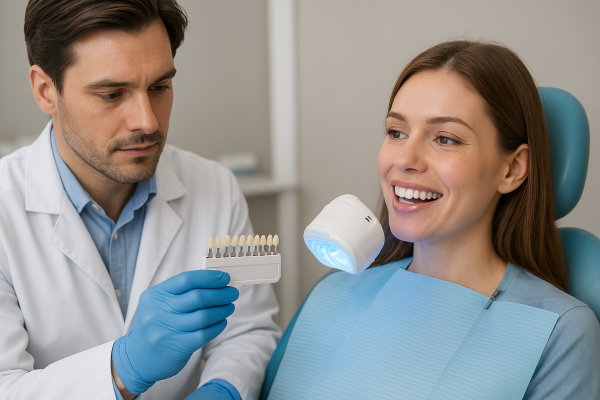
Teeth Whitening In-Office VS At-Home Costs and What Actually Works
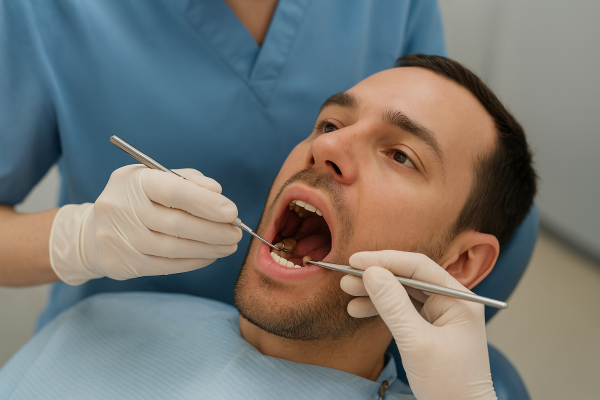
Cavities and Fillings Material Options, Costs, and How Long Each Lasts
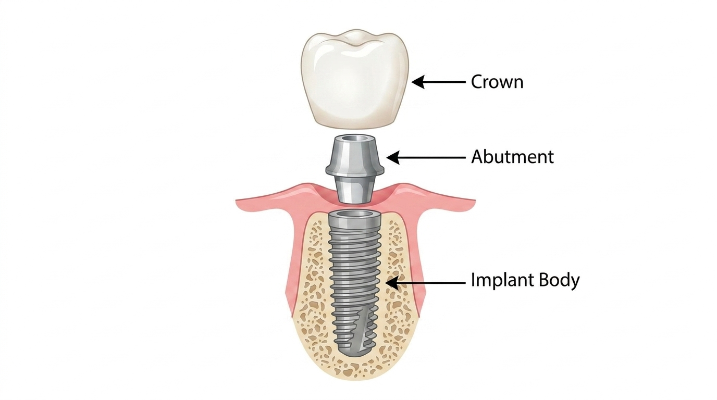
Dental Implants A Comprehensive Guide to Oral Health Solutions
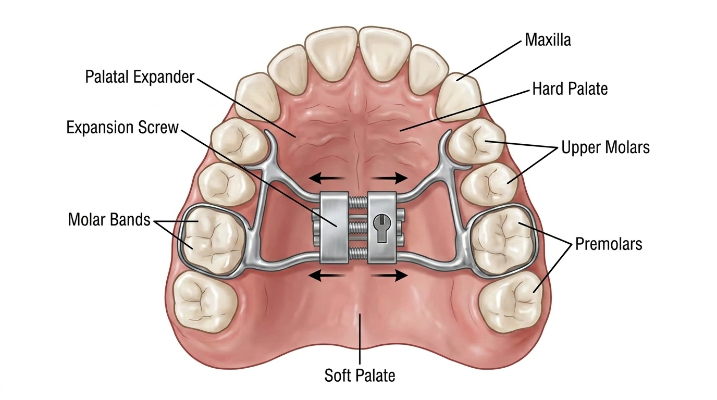
Understanding Orthodontic Palatal Expanders A Comprehensive Guide for Patients
Understanding Dental X-Rays and Cleaning Costs Without Insurance
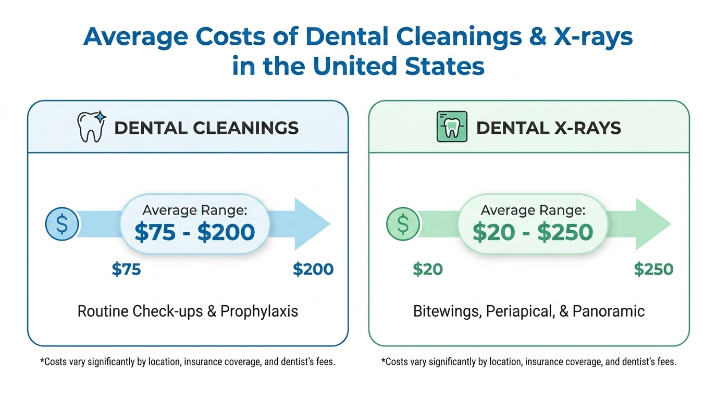
Dental X-rays and professional cleanings form a fundamental part of maintaining oral health. They offer essential diagnostic advantages, allowing dentists to identify issues such as cavities, gum disease, and more before they escalate. Many individuals pursue these treatments not just for preventive care, but also as part of treatment planning or when addressing specific dental concerns. However, understanding the associated costs is critical, especially for those without insurance, as prices can greatly vary. Typically, dental cleanings can range from $75 to $200, while X-rays may cost between $20 and $250. Patients also often express concern over whether their insurance plans will cover these necessary services, as not all plans provide full coverage. This article aims to explore the costs, benefits, and important considerations surrounding dental X-rays and cleanings, empowering you to make informed choices regarding your dental care needs.
Defining Dental X-Rays and Cleanings
Dental X-rays serve as crucial diagnostic tools that utilize low levels of radiation to develop images of the teeth, gums, and jawbone. They are invaluable in spotting problems that might not be visible during a routine dental examination, such as cavities, decay, and impacted teeth. Early detection through X-rays can prevent more serious health issues and ensure effective treatment approaches.
Conversely, professional dental cleanings involve the careful removal of plaque and tartar from the teeth, which is vital for preventing gum disease and cavities. Regular cleanings are essential for optimal oral health maintenance, reducing the risk of future complications. Many individuals require these procedures for reasons ranging from decay detection to preventive care, making them integral to both oral hygiene and overall health.
Identifying Candidates for Dental Procedures
Several groups of individuals typically require dental X-rays and cleanings, often influenced by dental conditions or symptoms. Those experiencing tooth pain, gum disease, or who have recently undergone dental procedures are more likely to seek these treatments. Symptoms, such as persistent discomfort, swollen gums, or bleeding while brushing, can indicate underlying issues that necessitate further examination.
Patients with a history of cavities or gum disease may especially benefit from regular cleanings to prevent further complications. Dentists often recommend X-rays for diagnosing hidden problems, such as impacted teeth or undetected decay, particularly in individuals who haven’t had recent dental evaluations. By recognizing these signs, patients can ensure timely intervention and better oral health outcomes.
Types of Dental X-Rays and Cleanings
Understanding the various types of dental X-rays and cleanings can help individuals make informed decisions regarding their dental health.
Types of Dental X-Rays:
- Bitewing X-Rays: These capture images of the upper and lower teeth simultaneously, focusing on areas between teeth and monitoring bone level under the gum line. They are cost-effective and crucial for early cavity detection but cover limited sections of the mouth.
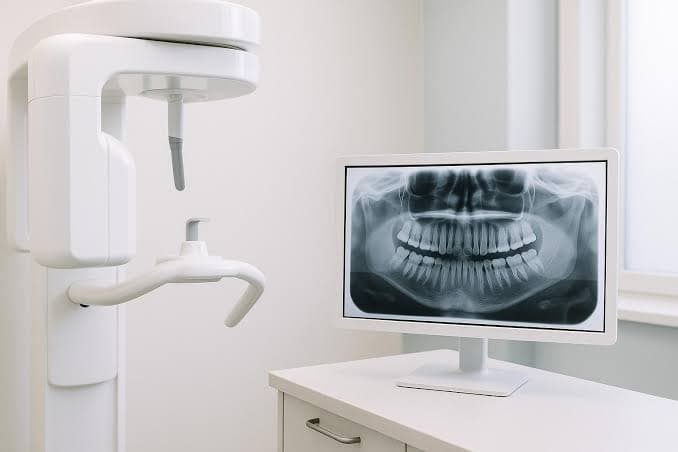
- Panoramic X-Rays: These provide a complete view of the mouth, allowing assessment of overall dental health, as well as aiding in treatment planning for braces or extractions. Although they expose patients to slightly more radiation, they can be invaluable for extensive evaluations.
Types of Cleanings:
- Routine Cleaning: Conducted typically every six months, these cleanings remove plaque and tartar to support overall oral health. While effective for most patients, routine cleanings may not address advanced gum disease.
- Deep Cleaning: This procedure is reserved for those with gum disease. It entails scaling and root planing below the gum line, providing a thorough cleaning but often requiring multiple appointments due to its extensive nature.
Benefits of Regular Dental Procedures
Engaging in regular dental cleanings and X-rays plays a pivotal role in preventive care, significantly contributing to long-term oral health. These procedures allow for early detection of potential issues, such as cavities and gum disease, thereby improving functional outcomes for patients. By catching problems early, patients often face less invasive treatment options, reducing the need for complex dental procedures later on.
Moreover, consistent cleanings not only enhance oral aesthetics by removing plaque and tartar buildup but also boost self-confidence with a brighter, healthier smile. The long-term integration of these practices can significantly lower future dental costs, improve oral health, and contribute to overall well-being. Prioritizing preventive care through regular X-rays and cleanings can, therefore, ensure a healthier smile for many years to come.
Understanding Financial Implications of Dental Care
The costs associated with dental X-rays and cleanings vary widely across the United States. On average, a standard dental cleaning may range from $75 to $200 depending on geographic location and the complexity of the services rendered. For deeper cleanings, such as scaling and root planing, costs may ascend from $200 to $400.
Likewise, X-ray costs differ depending on their type. A single bitewing X-ray generally costs between $20 and $50, whereas a complete set can range from $150 to $300. Several factors influence these price variations, including the type of X-ray performed (e.g., panoramic versus bitewing) and the dental practice's location. Other influencing variables include facility fees, the dentist's expertise, and the advanced technology utilized during these procedures.
It's crucial to recognize that these figures represent averages and may fluctuate based on various factors. Consulting directly with your dental provider can offer a more precise estimate, especially when considering the financial implications in the absence of insurance, enabling better planning for your dental healthcare.
Factors Influencing Treatment Costs
Numerous factors contribute to the varying costs of dental X-rays and cleanings. Firstly, geographic location plays an essential role; urban areas often come with higher prices due to increased demand and associated overhead costs. Secondly, the dentist's experience and qualifications may affect pricing, with more established practitioners typically charging more for their expertise.
Furthermore, the complexity of the dental treatment required can significantly influence the overall costs. Patients who need extensive cleanings or multiple X-rays will generally face higher fees than those requiring only a routine examination. Additionally, the materials used during these procedures—whether utilizing advanced imaging technologies for X-rays or specialized cleaning agents—can further contribute to price differences. Lastly, while advancements in dental technology yield better results, they often carry higher costs. Understanding these influential factors empowers patients to navigate their dental care expenses more effectively.
Additional Cost Considerations
When budgeting for dental care, it's pivotal to consider expenses beyond the standard procedures. Initial consultations may incur fees, and subsequent diagnostics might necessitate further X-rays or scans, each contributing to the overall expense. If procedural sedation is required, this adds yet another layer of cost. Extractions can also be particularly costly, depending on the associated complexity.
Moreover, follow-up care—including routine check-ups or additional treatments—can accumulate costs quickly. Gaining a thorough understanding of all potential financial obligations associated with dental care arms patients with the necessary information to prepare adequately and mitigate unexpected financial burdens during their dental health journey.
Insurance Coverage for Dental X-Rays and Cleanings
Dental insurance usually offers some coverage for preventive services, including X-rays and cleanings. Commonly, most plans cover a percentage of cleaning expenses, typically allowing for two cleanings per year as part of their preventive services.
However, coverage for X-rays can vary considerably among plans. Some may cover regular diagnostic X-rays conducted annually, while others might impose limitations or require a deductible. Common restrictions include specific frequency limits, which prevent patients from receiving additional cleanings or X-rays once they reach their annual cap. Exclusions often apply to particular types of X-rays or situations where treatment may be deemed unnecessary. Additionally, some insurance providers implement waiting periods before full benefits for X-rays and cleanings activate.
It is vital to meticulously examine your individual insurance policies to comprehend the coverage specifics in detail, ensuring informed choices regarding dental care.
Financing and Payment Solutions
Several financial plans and healthcare financing options are available to assist with dental care expenses. Health Savings Accounts (HSA) allow individuals to save pre-tax dollars for qualified medical and dental expenses. In a similar vein, Flexible Spending Accounts (FSA) enable employees to allocate funds for healthcare costs, thus availing potential tax benefits.
When planning for dental expenses, it’s critical to assess how often dental visits are needed, the types of procedures anticipated, and any potential out-of-pocket costs. By strategizing in advance and utilizing these accounts, individuals can manage and optimize their dental expenditures effectively.
Comparing Dental Treatments: X-Rays and Cleanings vs. Alternatives
Dental X-rays and cleanings are indispensable for early disease detection and maintaining oral hygiene, generally costing between $75-$300 according to location and visit frequency. They hold a high effectiveness rate in identifying cavities and circumventing severe dental issues. In contrast, alternatives such as fluoride treatments or dental sealants, while beneficial in specific circumstances, may not provide the comprehensive insights and preventative advantages that X-rays offer.
For patients with oral health sensitivities or those apprehensive about radiation exposure, routine cleanings might serve as a more preferable option when dental exams take place at regular intervals. Ultimately, the right choice hinges on personal health profiles, budget constraints, and specific recommendations from dental professionals.
Assessing Associated Risks and Considerations
While dental X-rays and cleanings are typically safe, there are potential complications to acknowledge. Exposure to radiation, though minimal, may be a concern for certain populations such as pregnant women or those with specific health issues. Additionally, patients might experience post-treatment discomfort after cleanings, resulting in temporary tooth sensitivity or gum irritation, which generally resolves in a few days.
For individuals with prevailing allergic reactions or particular medical conditions, it may be prudent to explore alternatives such as digital X-rays—which emit lower radiation levels—or to abstain from X-rays altogether. Consulting a dentist about personal health histories ensures the safest treatment approaches are undertaken in an individual’s care plan.
Evaluating the Investment in Dental Care
Regular dental visits—including X-rays and cleanings—have long-term value by preempting significant issues before they manifest. This preventive approach enhances overall quality of life through reduced pain, improved oral health, and lessens the potential need for costly corrective procedures later. Although the initial costs might appear overwhelming, the benefits ultimately surpass the investments over time.
Keeping up with optimal dental health can lead to significant savings, both financially and in terms of overall health. Privileging regular dental visits leads to healthier smiles and reduced costs in the long term, cementing the importance of consistent dental care in one’s routine.
Selecting the Right Dental Provider for Your Needs
Choosing the right dental provider is vital for maintaining optimal oral health. Begin by verifying their credentials and experience to ensure they are licensed and have a good track record. Scheduling consultations with potential providers gives you a chance to observe their approach and communication styles.
Never hesitate to seek second opinions when necessary; dental care is a significant investment, and feeling confident in your decision-making process is essential. Comparing opinions can provide better clarity, highlighting varying treatment options and helping you select the best possible care tailored to your needs.
Empowering Your Dental Care Decisions
Understanding the financial aspects surrounding dental X-rays and cleanings is integral to preserving oral health, particularly for those without insurance. These procedures are essential for early intervention and prevention of dental issues, providing long-term health benefits despite their initial costs. While navigating the complexities of insurance coverage may seem challenging, various solutions exist that can accommodate your budget. We encourage readers to carefully consider these factors, maintaining a proactive stance toward dental care and empowering themselves to make informed decisions as they strive for brighter smiles and better oral health in the future.