
What Counts as a Dental Emergency and What It Costs After Hours

Teeth Whitening In-Office VS At-Home Costs and What Actually Works
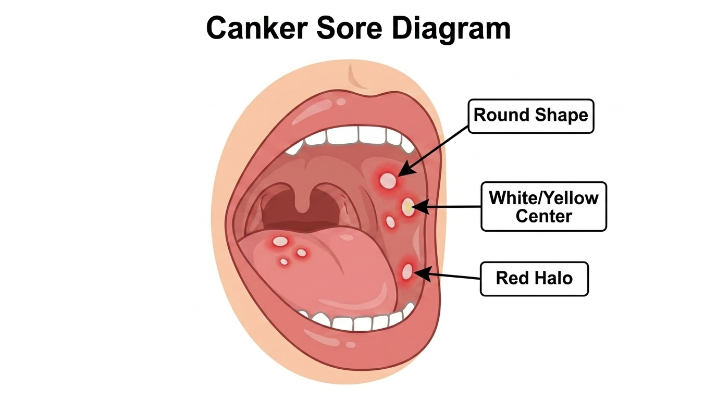
Canker Sores Symptoms, Causes, and How to Manage Them
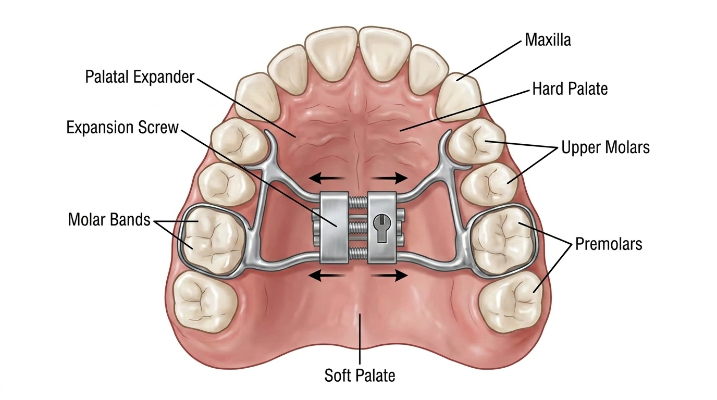
Understanding Orthodontic Palatal Expanders A Comprehensive Guide for Patients
How Much Does Dental Insurance Cost A Comprehensive Guide to Understanding Dental Coverage
Understanding dental insurance costs is crucial for individuals aiming to maintain good oral health while avoiding unexpected expenses. Dental insurance typically covers a variety of treatments, encompassing preventive care like cleanings and check-ups, restorative procedures such as fillings and crowns, and sometimes even major services like root canals and orthodontics. This coverage plays a significant role in enhancing access to dental healthcare, managing out-of-pocket expenses, and promoting regular visits to the dentist. In this article, we will delve into the intricacies surrounding dental insurance, including average costs, the benefits it provides, the different types of plans available, and essential considerations consumers should keep in mind when selecting a policy. By shedding light on these elements, we aim to empower readers to make informed decisions about their dental coverage and optimize their treatment options.
What Is Dental Insurance?
Dental insurance is a specialized type of health insurance that aims to cover a portion of the costs associated with dental care. Its fundamental purpose is to help individuals manage expenses related to preventive, diagnostic, and treatment services, ensuring access to necessary dental care without prohibitive costs.
Common components of dental insurance plans include premiums, which are monthly payments for coverage; deductibles, referring to the amounts individuals must pay out of pocket before benefits kick in; and copayments, which represent shared costs for specific services received, such as a fixed fee for a dental visit.
People generally purchase dental insurance to alleviate the burden of high dental care costs, encourage regular check-ups, and promote preventive care—ultimately contributing to improved oral health outcomes. It instills peace of mind, allowing individuals to seek timely dental treatments without the stress of financial constraints.
Who May Benefit from Dental Insurance?
Dental insurance can be a prudent investment for various individuals and families. Typical candidates include families with children, individuals susceptible to dental problems, and adults grappling with chronic conditions like periodontal disease. For instance, families might require coverage for orthodontic treatments as children grow, while individuals with a history of dental issues may benefit from regular preventive care and follow-up treatments.
Conditions such as cavities, gum disease, and alignment issues underscore the necessity for insurance coverage. By investing in dental insurance, individuals ensure access to essential treatments that promote optimal oral health and can avoid significant future costs. Proactive dental care not only prevents severe health complications but also leads to substantial long-term savings by steering clear of expensive procedures.
Types of Dental Insurance Plans
Dental insurance plans present diverse options, catering to varying needs and budgets. The main types include Health Maintenance Organization (HMO), Preferred Provider Organization (PPO), and Indemnity Plans.
HMO Plans require members to choose a primary dentist and obtain referrals for specialists, usually offering lower premiums and out-of-pocket costs. However, this option may limit flexibility, as care is restricted to network providers.
PPO Plans offer more freedom, enabling visits to any dentist—with reduced costs when staying in-network. They cater to individuals who prefer a broader selection of providers but typically come with higher premiums.
Indemnity Plans are more traditional, permitting members to visit any dentist without network restrictions. Although they generally have higher premiums and deductibles, these plans provide maximum flexibility, suiting those who want complete freedom in choosing their dental care provider.
Benefits of Having Dental Insurance
Dental insurance offers an array of advantages significantly impacting both oral health and financial well-being. A primary benefit includes access to preventive care, such as regular check-ups and cleanings, often covered at minimal to no out-of-pocket costs. This proactive approach enables early detection of dental issues that might necessitate more serious and costly treatments later on.
Furthermore, dental insurance can lead to substantial cost savings on various treatments—ranging from fillings and crowns to orthodontics. With fixed co-pays and capped annual benefits, insured individuals can effectively manage their dental expenses, alleviating financial strain from unforeseen dental emergencies. Ultimately, having dental insurance encourages routine dental visits, fostering a culture of comprehensive oral health while promoting healthier smiles and more predictable healthcare costs over time.
How Much Does Dental Insurance Cost?
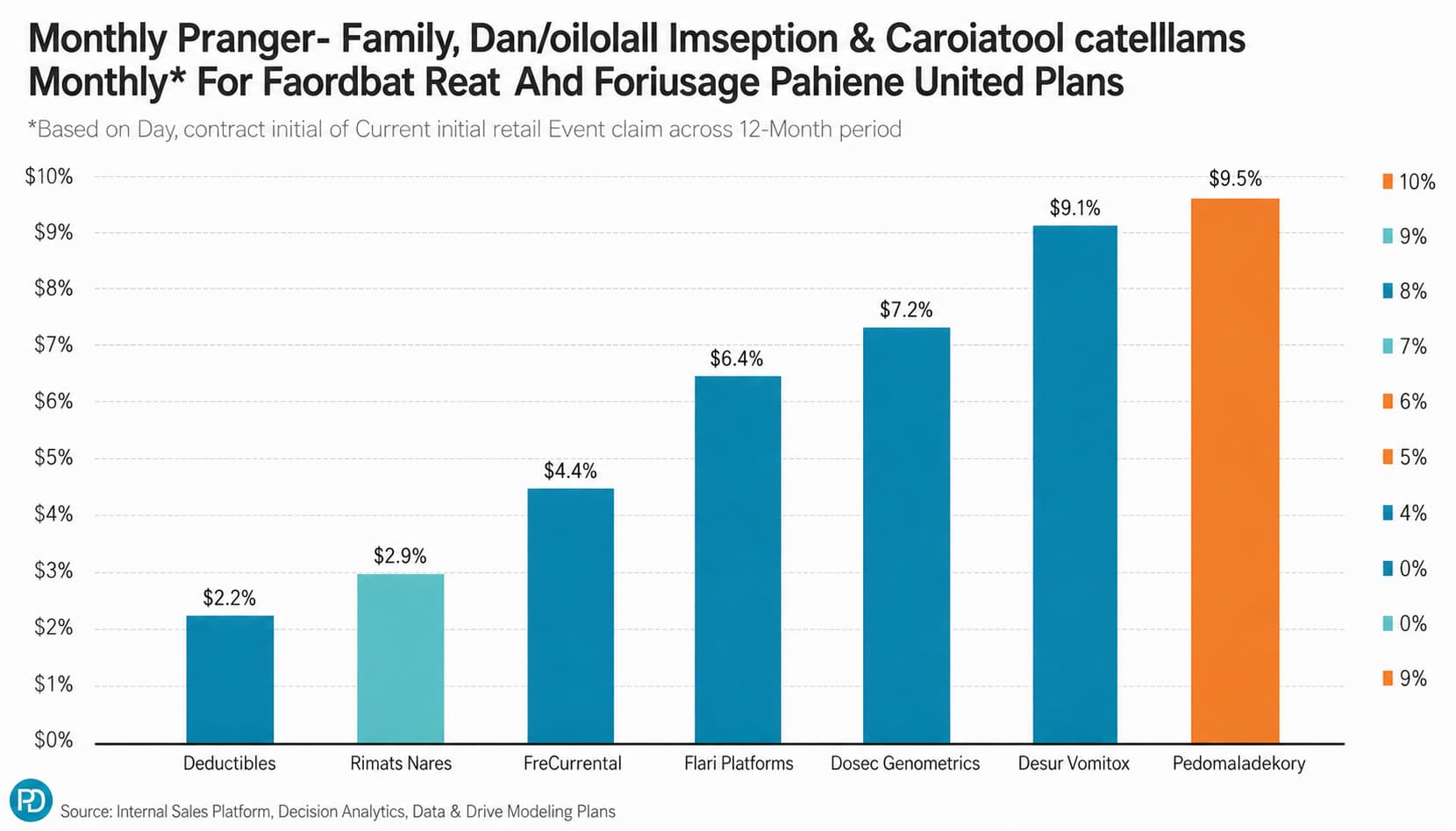
In the United States, dental insurance premiums generally range from $15 to $50 per month for individuals and $30 to $150 for family plans. However, various factors influence these costs. Age significantly impacts premiums; older individuals tend to pay higher rates due to increased dental needs. Additionally, the type of plan—managed-care plans like HMOs or traditional indemnity plans—can greatly affect pricing, with managed-care options usually being more financially feasible.
Moreover, the level of coverage one selects also influences premium costs; more comprehensive plans encompassing extensive preventive and major care often entail higher monthly rates. It's critical to shop around and compare different options since features and rates can vary widely among providers. Understanding these elements will promote realistic expectations for potential dental insurance expenses.

Factors That Affect Dental Insurance Costs
The cost of dental insurance is notably impacted by geographic location. Urban regions typically witness higher premiums due to increased demand for dental services and elevated operational costs for providers. Moreover, factors such as an individual's age and health status play pivotal roles; older adults or those with pre-existing conditions may face elevated premiums due to a greater likelihood of requiring comprehensive dental care.
Additionally, the level of coverage selected can significantly alter overall costs. Plans with extensive networks and benefits generally come with increased monthly premiums compared to more basic options. When budgeting for dental care, it is essential to consider both premium costs and potential out-of-pocket expenses for services that may not be fully covered. By grasping these factors, prospective buyers can navigate the complexities of dental insurance and plan their finances more effectively.
Additional Costs Associated with Dental Treatments
Navigating dental health entails being aware of costs that insurance may overlook. Orthodontic treatments, such as braces, can range from $3,000 to $10,000 depending on treatment complexity, with insurance often covering a mere fraction of these expenses. In addition, cosmetic procedures like veneers or teeth whitening, typically priced between $500 and $2,500, usually don't fall within standard plan coverage.
Furthermore, initial consultations may incur fees of approximately $75-$200, which can catch patients off guard before treatment commences. Diagnostic procedures, including full dental X-rays, might also contribute an extra $100-$300 to overall dental expenses. Being informed about these potential out-of-pocket costs enables consumers to budget effectively and prepares them for any unforeseen financial surprises relating to their dental care.
Understanding Dental Insurance Coverage Limitations
Navigating the intricacies of dental insurance plans requires an awareness of common limitations and exclusions. Many plans impose waiting periods for specific services, potentially lasting from a few months to a year, delaying coverage for considerable procedures like crowns and implants. Furthermore, many policies feature caps on annual benefits, often limiting coverage to amounts such as $1,000 to $2,000, which means individuals must bear the costs beyond that threshold. Although preventive services may be fully covered, major restorative work can significantly impact an individual's out-of-pocket expenses.
Another notable exclusion typically involves cosmetic procedures, which are generally not covered by most plans. Given these nuances, reviewing individual policies becomes vital to comprehend what services are included—and which are not. This savvy approach enables informed decisions about dental care, ensuring no surprises arise from unexpected costs down the line.
Financing and Payment Options
When contemplating dental care, knowing your payment options is crucial. Many dental offices provide financing plans designed to help spread treatment costs over time. Options may include low-interest payment plans or third-party financing alternatives, making necessary dental procedures more financially accessible.
Additionally, Health Savings Accounts (HSAs) and Flexible Spending Accounts (FSAs) can be utilized effectively for managing dental care budgets. HSAs facilitate pre-tax savings for qualifying medical expenditures, while FSAs allow setting aside pre-tax dollars from paychecks for out-of-pocket dental costs. It’s essential to verify details of your plan regarding eligible expenses.
To manage costs effectively, create a budget that encompasses routine check-ups, emergency appointments, and any unforeseen procedures. Exploring dentists who offer in-house financing can also alleviate financial pressure. Remember, investing in dental health today can result in significant savings in the future.
Dental Insurance vs. Paying Out-of-Pocket
When evaluating dental insurance against paying out of pocket, comparing cumulative costs over time is vital. Dental insurance is associated with monthly premiums, annual deductibles, and copayments for procedures. While premiums can be manageable, expenses can accumulate, especially for individuals who rarely require care or who have high premiums with limited coverage. Conversely, out-of-pocket payments may be more economical for those with minimal dental needs, allowing direct payments without the complexities associated with a policy.
In terms of sustainability, insurance offers peace of mind by covering routine check-ups and preventive care, potentially mitigating larger costs in the future. On the flip side, making cash payments can feel burdensome when unexpected emergencies occur. Generally, individuals with chronic dental issues may find greater benefits from insurance, whereas healthier patients might discover the out-of-pocket approach is more conducive to maintaining financial stability.
Risks and Considerations of Dental Insurance
While dental insurance presents valuable coverage, several risks and considerations warrant attention. Numerous plans include exclusions for pre-existing conditions or cosmetic procedures, thereby limiting the breadth of service coverage. Additionally, dental insurance networks can be restrictive; not all providers accept every plan, potentially necessitating changes of dentists or incurring further out-of-pocket expenses.
To evaluate the value of specific coverage options, potential buyers should meticulously review each plan's terms. Pay close attention to maximum benefit limits, waiting periods for particular services, and any copay requirements that may inflate costs. Engaging current members for feedback regarding satisfaction levels with coverage and claims processes is advisable. Ultimately, understanding these factors empowers consumers to make educated decisions regarding their dental health, ensuring they select a policy that meets their needs without unexpected pitfalls.
Is Dental Insurance Worth It?
When contemplating dental insurance, assessing its long-term value relative to potential out-of-pocket expenses is crucial. Dental plans frequently cover preventive measures, such as cleanings and exams, significantly reducing the risk of costly future procedures. For instance, a typical root canal can exceed $1,500; dental insurance may help diminish this expenditure, resulting in a manageable deductible for the patient.
Nevertheless, the effectiveness of dental insurance greatly varies based on the plan's cost and coverage limits. Basic plans may cover only a fraction of essential treatments, while premium plans can offer more robust financial protection for major procedures.
Ultimately, individuals must evaluate their dental health requirements and anticipated treatment costs to determine if investing in insurance aligns with their financial situation. By scrutinizing different scenarios, potential buyers can make informed decisions that ensure they receive adequate care while minimizing financial burdens.
How to Choose the Right Dental Insurance Provider
Selecting the right dental insurance provider is imperative to ensuring sufficient coverage for your dental health needs. Begin your search by comparing various plans to analyze premiums, coverage limits, and waiting periods. Take note of specific services offered, including preventive care, orthodontics, or major procedures.
Next, delve into customer reviews and testimonials. These insights offer valuable perspective on the provider’s customer service and claims process. Pay particular attention to feedback regarding claims denials and overall satisfaction scores. Lastly, do not underestimate the significance of the fine print in each policy, as understanding exclusions, limitations, and copayments can shield you from surprise costs in the future. Equip yourself with knowledge by posing direct questions to insurance representatives, ensuring clarity regarding your dental coverage. By taking these steps, you can confidently select a plan that meets your dental care needs and fits within your budget.
Final Thoughts
In summary, dental insurance serves as a structured means of managing oral healthcare costs, typically ranging from $20 to $50 per month for individual plans. The advantages of this coverage can be considerable, encompassing reduced out-of-pocket expenses for preventive, basic, and major dental procedures. Readers should closely examine their individual needs against the various types of plans available, such as PPOs and HMOs, to find the best fit. It is also essential to grasp coverage limits and waiting periods to avoid unexpected financial burdens. Ultimately, making informed decisions concerning dental insurance can lead to improved financial outcomes and enhanced dental health. It is wise to compare multiple insurance options while considering coverage scope and personal dental requirements to ensure the selected plan aligns well with overall health and budgetary demands.