Dental Veneers Cost, Candidacy, and the Questions to Ask First
Gum Disease Stages, Treatment Costs, and What Happens If You Wait
Cavities and Fillings Material Options, Costs, and How Long Each Lasts

Teeth Grinding and Night Guards Types, Costs, and Whether You Need One
Invisalign VS Traditional Braces Which Orthodontic Treatment is Right for You
Orthodontic treatment plays a vital role in dental care, helping individuals tackle various issues that affect both aesthetic appeal and oral health. Common concerns include misalignment, overcrowding, and bite discrepancies, which can result in not just cosmetic imperfections but also serious health implications like jaw pain and tooth decay. Fortunately, orthodontics provides solutions to enhance both function and appearance, with Invisalign and Traditional Braces being the most prominent options available today.
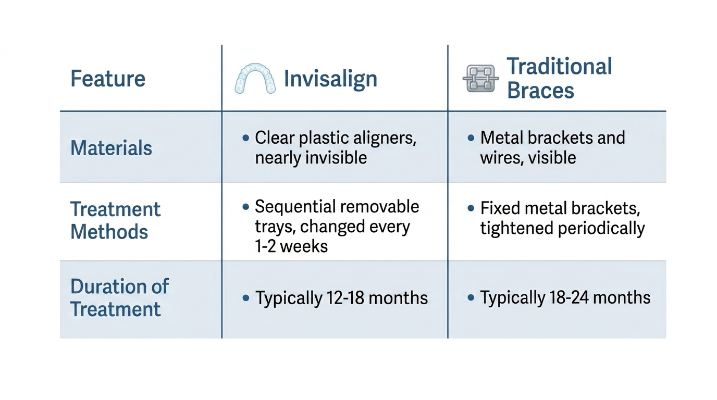
Invisalign has surged in popularity thanks to its clear aligners, offering a subtler alternative to the conspicuous metal braces that many recall. At the same time, Traditional Braces remain a steadfast choice, especially for complex cases that require extensive correction. Grasping the differences between these orthodontic methods is essential for making an informed decision regarding dental health. This article explores the unique benefits and drawbacks of Invisalign and Traditional Braces, equipping readers with essential knowledge to help them choose the most suitable treatment plan. Through this comparison, we aim to support you in attaining a beautiful smile while promoting long-term dental health.
What You Need to Know About Each Option
When exploring orthodontic treatment options, Traditional Braces and Invisalign emerge as the two leading choices, each with its unique approach to aligning teeth.
Traditional Braces
Traditional braces comprise a system of brackets, wires, and bands that collaborate to shift teeth into their proper positions. Typically constructed from metal, ceramic, or plastic, brackets are securely bonded to each tooth using a specialized adhesive. An archwire, a flexible metal wire, is threaded through the brackets to create a pathway for teeth movement. Regular adjustments to the archwire by the orthodontist apply controlled pressure, gradually guiding the teeth into alignment. This combination of brackets and wires allows for precise control over the alignment process, capable of addressing complex dental issues such as overcrowding and bite discrepancies. Additionally, the choice of materials influences both the duration of treatment and the aesthetic appeal, leading some patients to prefer ceramic braces for a more discreet appearance.
Invisalign
In contrast, Invisalign employs a series of custom-made clear aligners that are designed using advanced digital imaging technology. Each aligner is crafted from smooth, comfortable plastic, designed to fit snugly over the teeth. These aligners apply gentle, consistent pressure to gradually shift the teeth into their desired positions throughout the treatment process. One of Invisalign's key advantages is its removability, which facilitates easy oral hygiene and minimizes dietary restrictions. This clear aligner system appeals particularly to individuals seeking a more discreet orthodontic option, as the aligners are nearly invisible, providing a convenient method for achieving gradual teeth adjustment without metal brackets and wires.
Both Traditional Braces and Invisalign offer effective teeth alignment solutions, yet their differing mechanics and philosophies cater to various preferences and dental care needs.
Pros and Cons of Each Treatment
Advantages of Traditional Braces
Traditional braces have been the most common orthodontic treatment for many years, and for good reason. These metal devices consist of brackets attached to the teeth, linked by wires and bands, effectively straightening teeth through gradual adjustments over time.
1. Efficiency for Complex Dental Issues:
Traditional braces excel in addressing a wide range of dental challenges, including severe overbites, underbites, and significant crowding. Their mechanical structure enables orthodontists to apply necessary forces, helping to move teeth into proper alignment, making them a reliable option for intricate cases.
2. Lower Initial Costs:
When compared to options like Invisalign, traditional braces generally present a lower upfront cost, making them a more accessible choice for families and individuals. Additionally, many insurance plans provide substantial coverage for traditional braces, further reducing out-of-pocket expenses.
3. Versatility for All Ages:
These braces are suitable not only for children and teenagers but also for adults. Their robust design can withstand daily wear and tear, ensuring they remain effective regardless of age.
Disadvantages of Traditional Braces
1. Aesthetic Concerns:
A significant drawback of traditional braces is their visibility; the metal brackets and wires can be unappealing for many, particularly adults concerned about their appearance in professional or social interactions. This aesthetic concern can often deter potential patients from pursuing treatment.
2. Discomfort Issues:
Traditional braces may cause soreness, especially following adjustments. Patients frequently experience discomfort as their teeth shift, and the brackets may irritate the gums and cheeks, necessitating the use of wax or cushions for relief.
3. Maintenance Challenges:
For patients, maintaining proper oral hygiene is essential, as food residue can easily get trapped around the braces. Regular orthodontic visits for adjustments can disrupt schedules, adding to the overall treatment commitment.
Advantages of Invisalign
Invisalign introduces a modern approach with its series of custom-made clear aligners designed for gradual teeth alignment. This method prioritizes aesthetics and comfort, appealing especially to image-conscious individuals.
1. Aesthetic Appeal:
One of the major attractions of Invisalign is its discreet appearance. The clear aligners are nearly invisible, allowing patients to undergo treatment without the self-consciousness typically associated with metal braces. This has made Invisalign a favored option among adults and teens alike.
2. Enhanced Comfort:
Made from smooth plastic, Invisalign aligners typically offer more comfort compared to traditional braces. The absence of sharp edges or brackets reduces irritation, and many patients appreciate the lack of discomfort that often comes with standard braces.
3. Convenience of Removability:
Aligners can be removed effortlessly for eating, drinking, brushing, and flossing. This flexibility promotes a more natural lifestyle, allowing patients to maintain excellent oral hygiene without the complications posed by braces. Additionally, patients enjoy fewer orthodontic visits since adjustments are rare with this system.
Disadvantages of Invisalign
1. Limitations for Severe Cases:
Invisalign may not be suitable for those with complex dental problems. Though advancements have enhanced its effectiveness, it still falls short for addressing challenging orthodontic concerns, making traditional braces a superior option in such instances.
2. Compliance Necessities:
The success of Invisalign relies significantly on patient adherence. Aligners must be worn for 20 to 22 hours daily; noncompliance can result in ineffective treatment or prolonged timelines, requiring a degree of personal responsibility that some may find challenging.
3. Variable Costs:
While some patients find Invisalign competitively priced or even cheaper than traditional braces, costs can fluctuate based on several factors, including treatment complexity and duration. For certain patients, Invisalign may ultimately be more costly, which can complicate financial planning for orthodontic care.
In summary, both Traditional Braces and Invisalign present distinct advantages and drawbacks. Choosing the best option often hinges on personal needs, preferences, and specific dental situations. By assessing these pros and cons, individuals can make more informed choices regarding orthodontic treatments that align with their lifestyle and objectives.
Which Treatment Is Right for You?
Deciding between Traditional Braces and Invisalign can feel intimidating, yet understanding your individual needs and circumstances is essential in making the best choice. Firstly, assess the severity of your dental concerns. Traditional braces may be preferred for addressing complex alignment issues, such as severe crossbites or overcrowding, due to their extensive correction capabilities. Conversely, Invisalign is often optimal for mild to moderate cases where aesthetics and removable aligners are more practical.
Lifestyle considerations also play an important role in selecting the right treatment. Those who lead active lives may favor Invisalign, as these aligners can be easily removed during physical activities or meals, minimizing the risk of injury or discomfort. Conversely, traditional braces ensure a consistent treatment trajectory, particularly for younger patients who may be less reliable in wearing aligners consistently.
Aesthetic preference cannot be overlooked. Many adults lean towards Invisalign due to the clear aligners' discreet nature, making it an attractive treatment option. However, a significant number of individuals find traditional braces equally appealing, often enjoying the colorful rubber bands and the chance to personalize their treatment.
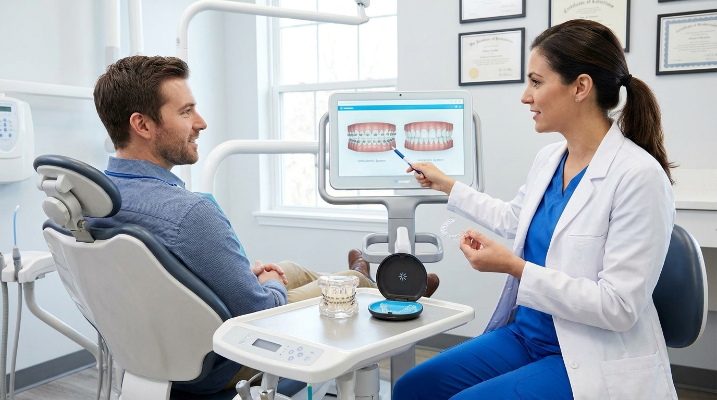
Finally, seeking guidance from an orthodontist is essential for tailored recommendations. If you're uncertain which treatment suits your needs best, scheduling a consultation is advisable. For example, a young adult with an active lifestyle and a focus on invisibility may benefit from Invisalign, while a younger patient facing severe alignment difficulties might require traditional braces to achieve effective results.
Choosing the Right Orthodontic Treatment for Your Needs
Traditional braces and Invisalign both have advantages depending on your dental needs, lifestyle, and treatment goals. Traditional braces remain a reliable option for correcting a wide range of alignment issues, while Invisalign offers a more discreet approach that may provide greater flexibility for some patients.
The best choice depends on factors such as the complexity of your case, your preferences, and your orthodontist’s recommendations. Considering treatment effectiveness, comfort, appearance, and daily habits can help you make a more informed decision when choosing between these two options.