
Tooth Sensitivity Common Causes and When It Signals Something Bigger
Dental Implants Costs, Components, and Key Considerations
Understanding Full Mouth Dental Implants Costs, Insurance, and Key Insights

How Much Does Dental Insurance Cost A Comprehensive Guide to Understanding Dental Coverage
What Is Invisalign Benefits, How It Works, and What to Know
Invisalign is a clear aligner treatment that gradually moves teeth into better positions without traditional metal brackets and wires. Instead of fixed braces, it uses a series of custom-made plastic aligners that are replaced over time according to a treatment plan created by an orthodontist.
Clear aligners have become a popular option for people who want a more discreet orthodontic treatment. Compared with traditional braces, Invisalign may offer advantages such as easier cleaning and fewer dietary restrictions, although it may not be suitable for every orthodontic issue. Understanding how Invisalign works, its benefits, and its limitations can help you decide whether this treatment option fits your dental needs.
What Is Invisalign?
Invisalign is a state-of-the-art orthodontic treatment utilizing clear, plastic aligners to straighten teeth, presenting a modern solution compared to traditional metal braces. Each aligner is custom-made to fit the unique dental arrangement of the patient, ensuring a comfortable fit and effective adjustment over time. Unlike traditional braces, which are fixed to the teeth and may cause discomfort, Invisalign aligners are removable, making eating and maintaining oral hygiene significantly more convenient. Aesthetically, these clear aligners are less noticeable, offering a discreet option for individuals eager to enhance their smile. This advanced technology enables a tailored treatment plan that allows for necessary adjustments, making it easier for patients to achieve their desired outcomes without the often uncomfortable experiences associated with traditional braces. Overall, Invisalign signifies a remarkable advancement in orthodontics, marrying comfort with style for users intent on improving their dental health.
How Invisalign Works
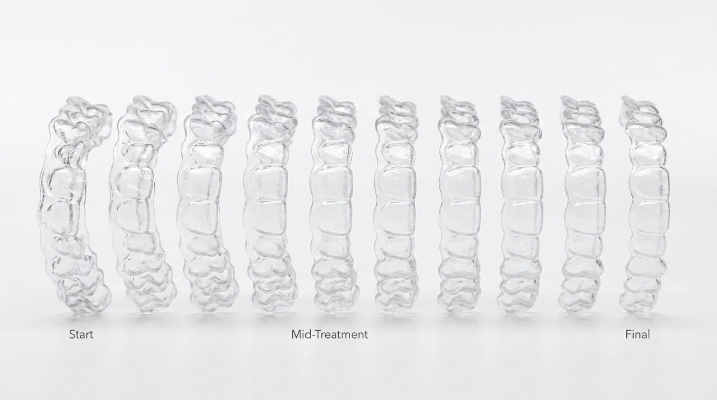
Invisalign aligners gently shift teeth into their desired positions through a systematic progression using a series of custom-made plastic trays. These aligners are crafted using advanced 3D printing technology that maps out each patient’s unique dental structure, ensuring a precise fit tailored specifically for them. During the treatment process, which typically spans 12 to 18 months, patients switch to new aligners every one to two weeks. Each new set of aligners is designed to move teeth gradually closer to optimal alignment.
This innovative technology not only facilitates effective tooth movement but also enhances overall oral health by simplifying hygiene maintenance. Well-aligned teeth significantly reduce the risks of periodontal disease and tooth decay, ultimately leading to a healthier, more attractive smile. By investing in Invisalign, patients can achieve improved bite functionality and aesthetics, all while enjoying a comfortable orthodontic experience.
Benefits of Invisalign for Oral Health
Invisalign aligners offer a multitude of benefits that extend beyond mere aesthetics. One major advantage is their virtually invisible nature. Unlike conventional braces, these clear aligners enable individuals to smile confidently throughout their treatment without feeling self-conscious. This significant boost in confidence can yield profound emotional benefits, enhancing social interactions and self-esteem.
Moreover, Invisalign plays a crucial role in promoting better oral health. The smooth, removable aligners greatly facilitate oral hygiene as users can easily take them out while brushing and flossing, resulting in more effective plaque and debris removal. This ease of maintenance leads to improved gum health, as reduced plaque build-up diminishes the risk of gum disease and cavities. Overall, Invisalign represents a holistic orthodontic approach, integrating aesthetic appeal with essential health benefits, ultimately delivering a treatment option that nourishes both the mouth and the mind.
When to Consider Invisalign
Invisalign has become a favored teeth-straightening method, effectively addressing various dental issues such as crowding, spacing concerns, and minor bite corrections. However, selecting Invisalign should be a personalized decision, taking into account the specific needs and dental conditions of each patient. Factors like the severity of misalignment, lifestyle preferences, and comfort with traditional braces can significantly influence whether Invisalign is the right option for you.
To ensure the best choice, it’s essential to consult with a qualified dental professional, such as an orthodontist or a dental practitioner familiar with clear aligner therapy. They can provide valuable insights and guidance based on your unique dental needs, alleviating any anxieties you might have concerning the treatment process. Remember, well-informed decisions lead to better outcomes for your oral health!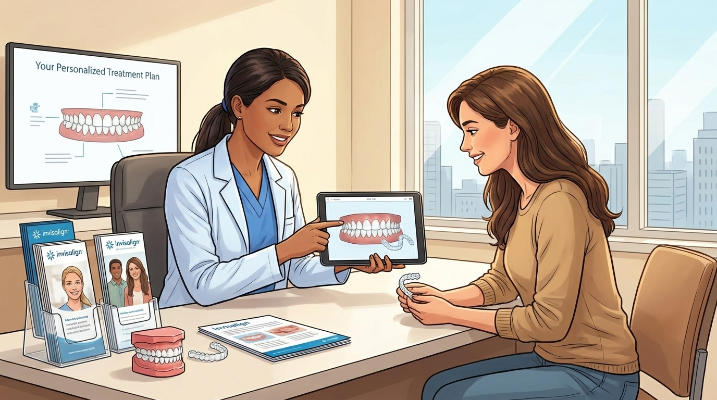
Practical Care Tips for Using Invisalign
Utilizing Invisalign can greatly enhance your smile, but it also requires specific care to achieve the best results. Here are actionable tips for ensuring optimal oral hygiene and aligner maintenance:
- Wearing Schedule: Ensure you wear your aligners for at least 20 to 22 hours each day, removing them solely for eating, drinking anything other than water, brushing, and flossing.
- Proper Removal Techniques: When removing the aligners, always start at the back and gently pull forward. Avoid using your nails or excessive force, which can damage them.
- Cleaning Your Aligners: Rinse your aligners with lukewarm water each time you take them out. Clean them daily with a soft-bristle toothbrush, taking care not to use toothpaste as it can scratch the surface. You may also soak aligners in a denture cleaner or a specialized solution designed for clear aligners to keep them fresh and functional.
- Oral Hygiene: It’s vital to brush your teeth after every meal before reinserting your aligners to prevent bacterial buildup. Floss daily to support your gum health and maintain comprehensive oral hygiene.
By adhering to these tips, you can ensure a pleasant Invisalign treatment experience that leads to the best outcomes for your smile.
Common Mistakes with Invisalign
One of the most frequent misconceptions regarding Invisalign is undervaluing the necessary wear time. Patients should aim to keep aligners in for 20 to 22 hours daily; failing to do so risks prolonging treatment and failing to achieve desired results. Additionally, some individuals overlook proper cleaning protocols. Using hot water or abrasive materials can compromise the integrity of aligners, leading to discomfort and ineffective results.
To ensure successful treatment, avoid wearing your aligners while consuming colored drinks or foods prone to staining. Always rinse them after meals. Should you face discomfort or observe accelerated tooth movement, consult your orthodontist promptly. They might suggest adjustments in your timeline for switching aligners or offer alternate strategies to address these issues. Remember, successful Invisalign treatment relies on diligence and effective communication with your provider, ensuring you remain on the right path toward that perfect smile!
Making the Most of Your Invisalign Treatment
Invisalign can be an effective orthodontic option for many people looking to improve tooth alignment with a more discreet approach. However, achieving the best results depends on following the treatment plan, wearing aligners as recommended, and maintaining good oral hygiene throughout the process.
Before choosing Invisalign, it is important to discuss your goals and dental condition with an orthodontist. Understanding the benefits, limitations, and care requirements of clear aligners can help you make a more informed decision and support a healthier smile over time.