Root Canal Cost What the Procedure Involves and What to Expect
Wisdom Teeth Emergence, Complications, and Care
What Is Invisalign Benefits, How It Works, and What to Know
Dental Implants A Comprehensive Guide to Oral Health Solutions
Dental Implants Costs, Components, and Key Considerations
Dental implants are a long-term tooth replacement option designed to restore the appearance and function of missing teeth. Unlike removable dentures, implants are placed into the jawbone to provide a stable foundation for artificial teeth, helping improve chewing ability and maintain oral structure.
The total cost of dental implants in the U.S. can vary depending on factors such as the number of implants needed, materials used, additional procedures, and the complexity of treatment. Understanding the main components of an implant, the factors that affect pricing, and important considerations before treatment can help patients make more informed decisions about their dental care.
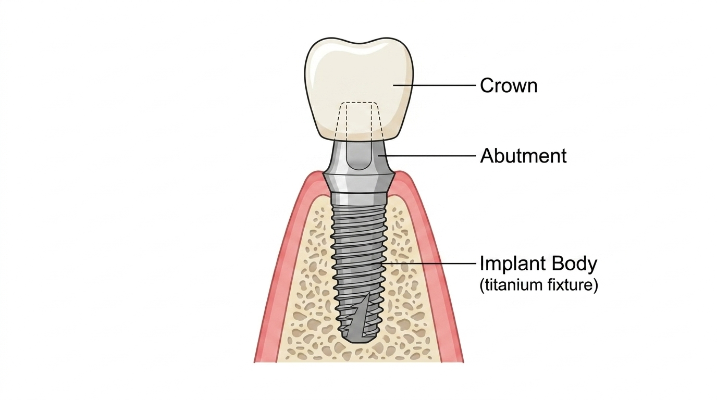
It is important to note the considerable price differences across various regions; urban centers tend to have significantly higher prices compared to their rural counterparts. These discrepancies reflect local cost of living and market demand as well as the availability of dental professionals. Understanding these elements is crucial as patients seek to become informed about their dental implant options, equipping them for a successful journey to improved oral health.
What a Dental Implant Quote May Include
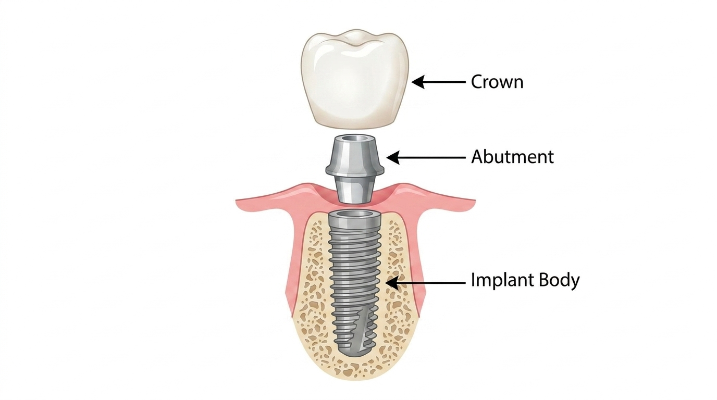
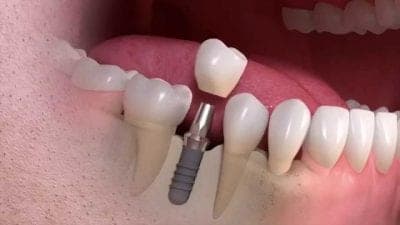
When assessing a dental implant quote, it is essential to comprehend the specific components that contribute to pricing. The foremost element is the implant body, a titanium post that is surgically implanted into the jawbone, forming the sturdy foundation of the ensuing structure. Following the body, there is the abutment, a connector piece responsible for linking the implant body to the crown. The crown itself is the visible portion of the restoration, crafted skillfully to blend seamlessly with the surrounding natural teeth.
In addition to these parts, quotes may also cover examinations and imaging services, such as X-rays or 3D scans, integral for planning the procedure effectively. The variability in quotes can often be attributed to geographical factors and differing dental practice policies; some may offer all-inclusive services that entail comprehensive evaluations and follow-up care, while others may charge for these additional services separately. Gaining insight into these components is key to understanding the intricacies of dental implant pricing, empowering patients to make educated decisions.
How Much Do Dental Implants Cost? Key Price Factors
When contemplating dental implants, it is vital to dissect the associated costs of each primary component. The implant body typically incurs expenses between $1,000 and $3,000, serving as the core metal post that mimics the natural tooth root. Next, the abutment ranges from $300 to $500; this connector piece is essential for linking the implant to the crown. The crown itself, which delivers both functional capabilities and aesthetic appeal, generally adds another $1,000 to $3,000 to the overall expense, depending on the materials selected.
Beyond these primary components, various preliminary services can elevate the overall cost of treatment. Examinations and imaging procedures, including X-rays or 3D scans, can contribute an extra $100 to $500 to the total charges. Should extractions ($100 to $500) or grafting ($300 to $1,500) be necessary, these will also add to the final bill. Costs associated with sedation services for patient comfort typically range from $150 to $500, while temporary restorations may involve additional expenses of $200 to $500. Moreover, ongoing costs related to follow-up visits and maintenance can accumulate over time. All these considerations can swiftly elevate the total outlay, often reaching between $3,000 and $7,000 or more for a comprehensive dental implant procedure, which serves as a revelation for many patients.
Single-Tooth Versus Multiple-Tooth Versus Full-Arch Comparison
When exploring the realm of dental implants, it is paramount to recognize the price differences associated with various treatment types. Below is a detailed comparison of average costs for each implant option, as well as the factors influencing these prices:
1. Single Implants
- Average Cost: $3,000 - $4,500
- Ideal for: Patients with a single missing tooth or those missing individual teeth. This solution presents a durable and visually appealing way to restore the smile without affecting adjacent teeth.
2. Multiple-Tooth Restorations
- Average Cost: $6,000 - $12,000
- Ideal for: Individuals missing several adjacent teeth. This method may employ implant-supported bridges to restore functionality while limiting the number of implants required.
3. Full-Arch Treatments
- Average Cost: $20,000 - $30,000
- Ideal for: Patients needing complete replacement of a dental arch (either upper or lower). This treatment can include advanced approaches like All-on-4 implants, ensuring stability and comprehensive restoration.
What Determines the Price of Dental Implants
When evaluating dental implants, several primary cost drivers significantly influence pricing and the anticipated quality of care. Geographic location plays a pivotal role; urban areas typically see augmented costs driven by higher demand and operational expenditures, while rural regions may present more budget-friendly options. Another crucial factor is the dentist's expertise and specialization. A seasoned implant dentist, possessing advanced training and a solid track record, may command higher fees, yet this often correlates with better results and fewer issues down the line. Additionally, the choice of materials used for the implant—ranging from premium titanium to various ceramics—can greatly affect overall costs.
These elements are closely interlinked; for instance, a highly qualified dentist using top-tier materials in a bustling metropolitan setting can lead to inflated expenses. Prospective patients should evaluate these factors thoroughly and seek practices that balance experience with reasonable pricing to ensure top-notch care without unnecessary spending.
Insurance, Financing, and Out-of-Pocket Cost
Dental insurance plays a crucial role in alleviating the financial burden of dental implants. Many insurance policies will cover certain aspects of the procedure, but it is vital to grasp potential limiting factors, such as missing teeth clauses, which may restrict coverage for implants for teeth that were absent before obtaining insurance. Moreover, annual maximums—commonly in the range of $1,000 to $3,000—determine the yearly payout from the insurance plan. Patients must also consider typical waiting periods, usually spanning six to twelve months, prior to the commencement of coverage. Additionally, network rules may stipulate that patients choose from a designated list of affiliated providers to receive complete benefits.
Financing Options
In situations where insurance coverage falls short, various financing solutions can assist patients. Many dental offices provide in-house financing arrangements to allow patients to settle expenses in installments. Alternatively, third-party financing firms such as CareCredit specialize in offering credit lines specifically for healthcare bills, enabling patients to manage their expenses more effectively.
Tips for Managing Out-of-Pocket Costs
To effectively navigate out-of-pocket expenses, patients should obtain detailed estimates from various dental providers for price comparison. A comprehensive understanding of one's dental insurance policy is critical, considering that costs can average around $3,000-$5,000 for a single implant. By maximizing insurance benefits and investigating financing avenues, patients can significantly ease financial pressures associated with dental treatment.
How to Compare Written Estimates
When assessing dental implant estimates, patients should carefully examine several key components:
- Total Costs vs. Individual Line Items:
- Scrutinize each provider's total estimate, breaking it down into distinct line items. Pay attention to any costs related to consultations, the implant procedure itself, and necessary pre-surgical imaging.
- Inclusion of Follow-Up Services:
- Ensure that the estimates encapsulate required follow-up care, such as adjustments and post-surgery appointments. Clarify if any additional charges apply.
- Contact Multiple Providers:
- Engage with various dental offices to gather a spectrum of estimates. This comparative approach enhances understanding and reveals significant pricing fluctuations.
- Transparency & Standardized Pricing:
- Seek comprehensive breakdowns of all charges and inquire with providers regarding their pricing methodologies to avoid any unforeseen expenses.
Utilizing this checklist empowers patients to make well-informed decisions regarding their investment in dental implants.
Safety and Quality Questions Beyond Price
As patients consider dental implants, prioritizing safety and quality is paramount for ensuring long-term oral health. It is advisable to inquire with your dentist about their qualifications, experience, the materials utilized for implants, and the protocols for follow-up care. The integrity of quality implants can differentiate a successful restoration from persistent complications. While pricing may be a tempting aspect to consider, always remember that investing in your health is paramount. By selecting a reputable professional who utilizes high-quality materials, you are laying the groundwork for enduring comfort and confidence in your smile.
Making Informed Decisions About Dental Implants
Understanding the costs involved in dental implants can help patients plan their treatment and make better decisions about their oral health. Since pricing depends on factors such as materials, procedures, location, and individual dental needs, reviewing all available options is an important step before starting treatment.
Comparing treatment plans, discussing payment options, and confirming coverage details with dental providers can help you better understand the overall investment. By staying informed and working with qualified professionals, you can make choices that support both your oral health goals and long-term dental needs.