Dental Veneers Cost, Candidacy, and the Questions to Ask First
Dental Savings Plans VS Dental Insurance Which One Saves You More
Dental Implants Costs, Components, and Key Considerations
Invisalign VS Traditional Braces Which Orthodontic Treatment is Right for You
Understanding Orthodontics A Comprehensive Guide to Treatment, Costs, and Options
As a core specialty within dental care, orthodontics corrects misaligned teeth and jaw abnormalities for both cosmetic and functional gains. It fixes confidence-damaging concerns like crooked teeth and noticeable gaps while resolving functional struggles such as poor chewing ability and speech impediments. While orthodontic treatment delivers lasting oral health and smile improvements, many patients hesitate due to steep price tags, which commonly fall between $3,000 and $8,000. Uneven insurance coverage further complicates financial planning for orthodontic work. This article simplifies orthodontic care for prospective patients, covering its key advantages, widely available treatment options, critical cost and insurance details, and actionable guidance for choosing a trusted orthodontist to support fully informed treatment choices.
What Is Orthodontics?
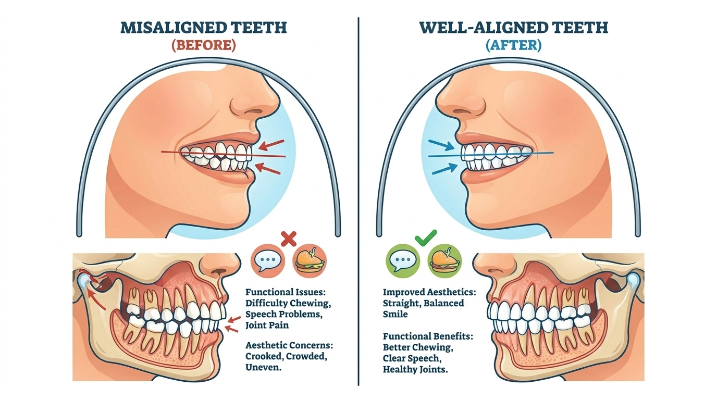
Orthodontics is a distinct area within dentistry dedicated to the diagnosis, prevention, and treatment of dental and facial irregularities. The primary aim of orthodontic care is to enhance oral function and aesthetics by ensuring proper alignment of teeth and correction of bite issues. This is typically achieved through braces—which consist of brackets and wires—or clear aligners, which gradually move teeth to their desired positions. Individuals often pursue orthodontic intervention due to various reasons, including misaligned teeth, overbites, underbites, crossbites, or gaps. Ultimately, orthodontics plays a vital role in not just aesthetic enhancement but also the overall improvement of oral health, aiding better function and easier maintenance of oral hygiene.
Types of Orthodontic Treatments
Orthodontic treatment encompasses a range of options designed to improve misalignments and overall oral health.
Traditional Braces
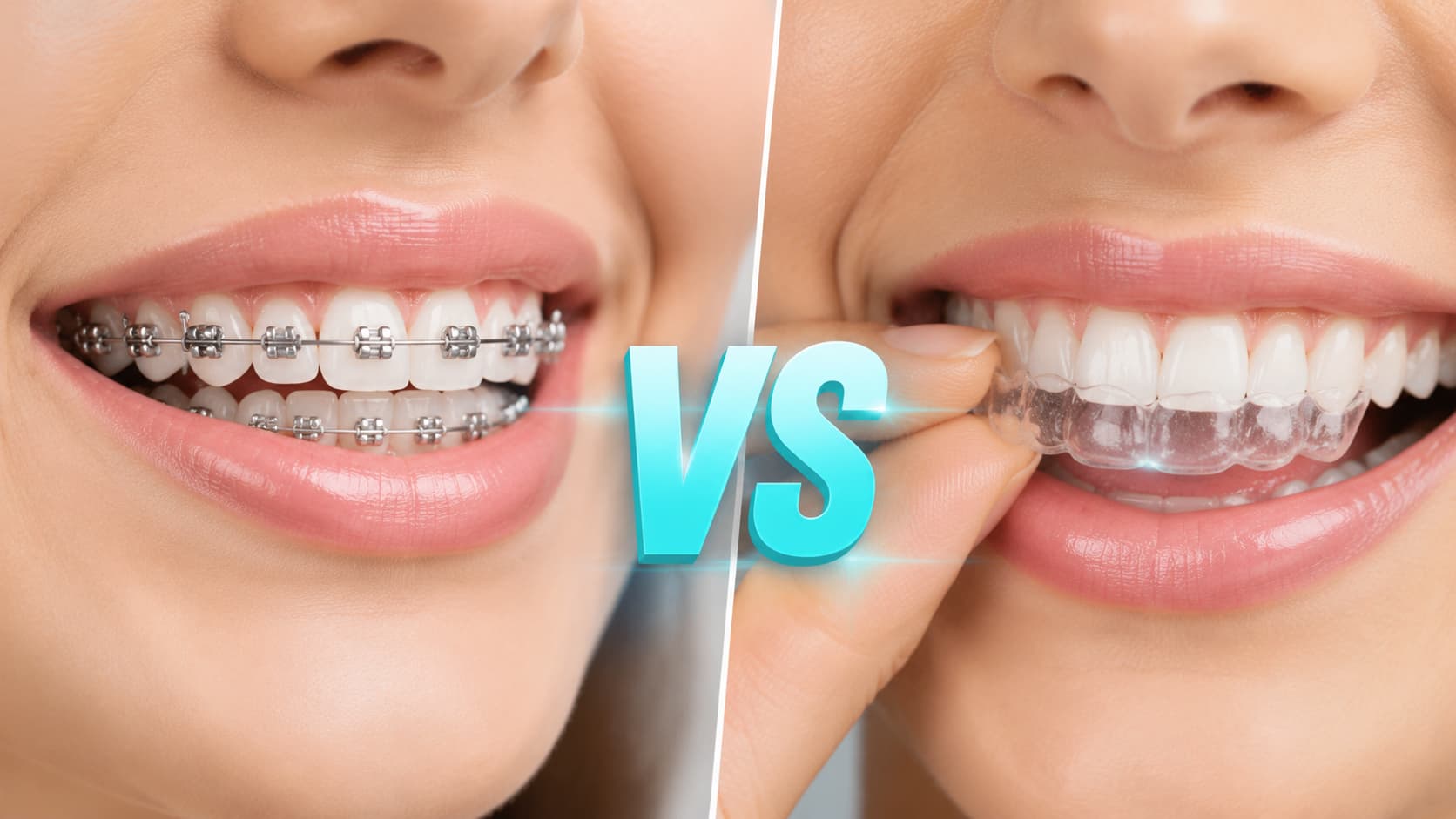
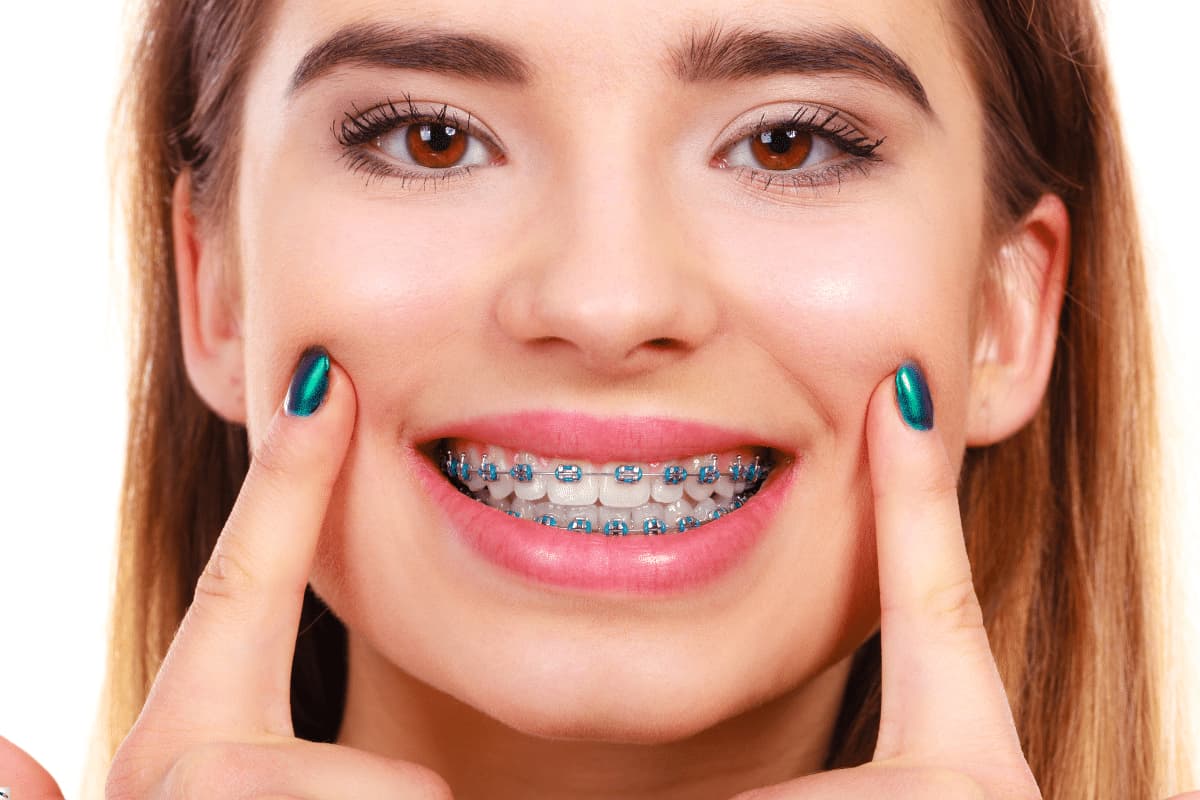
Traditional braces utilize metal brackets and wires to apply gradual pressure to the teeth, effectively guiding them into their correct positions. They remain a preferred option due to their wide-ranging applicability for various alignment issues paired with their durable nature. However, some patients may find traditional braces uncomfortable and less aesthetically pleasing, particularly in social situations.
Ceramic Braces
Ceramic braces function similarly to their metal counterparts, employing tooth-colored or clear brackets that blend seamlessly with the natural tooth structure. This enhances their visual appeal, making them an excellent choice for image-conscious teens and adults. Despite their aesthetic benefits, ceramic braces tend to be less durable and often come at a higher price point.
Lingual Braces
Lingual braces are affixed to the back of the teeth, offering a virtually invisible treatment option from the front. This makes them an appealing choice for individuals seeking discretion; however, they come with higher costs and may present challenges in terms of cleaning and potential discomfort during use.
Clear Aligners
Clear aligners, such as Invisalign, consist of removable trays that adjust the position of the teeth gradually. They are well-regarded for being less invasive and providing comfort compared to traditional braces. Nonetheless, they require a level of discipline to consistently wear them, and they are generally recommended for patients dealing with mild to moderate alignment problems while prioritizing aesthetic preferences and convenience.
Benefits of Orthodontics
The advantages of orthodontics extend far beyond mere appearance enhancement. Well-aligned teeth facilitate easier cleaning, which significantly diminishes the risk of cavities and gum disease by minimizing plaque accumulation in areas that are typically hard to reach. Furthermore, orthodontic treatment can improve jaw functionality, alleviating discomfort caused by misalignment, such as jaw pain and headaches. A straighter smile not only boosts self-confidence but also ensures a more balanced bite, which is crucial for comprehensive oral health. Investing in orthodontic care may yield lasting benefits; straighter teeth usually require less dental work over time, ultimately saving patients money. The combination of enhanced dental hygiene, improved jaw function, and aesthetic value makes orthodontic treatment a worthy consideration for anyone seeking a healthier, more appealing smile.
How Much Does Orthodontics Cost?
The financial aspect of orthodontic treatment can fluctuate significantly depending on the type of treatment and the complexity of each individual case. Traditional metal braces generally fall within the range of $3,000 to $7,000, presenting a more financially accessible option for many people. In contrast, clear aligners like Invisalign can be more costly, typically priced between $4,000 and $8,000. Several factors contribute to these price variations, including the severity of the dental issues, treatment duration, the orthodontist's expertise, and geographic location, along with the amenities available in the orthodontic practice. It's pivotal to note that these figures serve as guidelines; the final price may vary depending on individual cases and treatment plans. Consultation with an orthodontist for a personalized estimate is highly advisable, assisting patients in gaining clarity about their financial obligations.
Factors That Affect Cost
Cost considerations for orthodontic treatments are influenced significantly by geographic location. In urban areas, higher demand and overhead costs usually lead to elevated treatment prices, while more rural settings might present lower costs. Additionally, the experience and specialization of the dentist can also affect pricing; practitioners with extensive training or a strong reputation usually command higher fees. The complexity of treatments required, along with the materials used, can escalate expenses, especially in the case of custom solutions. Moreover, the integration of advanced technology—such as 3D imaging and innovative braces—can also drive costs up due to its impact on treatment efficiency and outcomes.
Additional Costs to Consider
Beyond the primary costs associated with orthodontic treatments, patients should be aware of various additional expenditures. Initial consultations frequently incur fees, as do x-rays and imaging services needed for a detailed evaluation prior to treatment. Moreover, maintaining dental care throughout the orthodontic process will likely involve further expenses, including regular adjustment appointments. In some cases, additional procedures—such as tooth extractions—might be necessary to correctly align the teeth, which could increase the financial commitment required for comprehensive treatment. Hence, discussing all potential costs with the orthodontist before proceeding is vital in budgeting effectively for orthodontic care.
Does Dental Insurance Cover Orthodontics?
Insurance coverage for orthodontics can differ considerably among different providers. Many plans include a degree of orthodontic treatment for children, yet coverage for adult treatments might be more limited. Typical limitations can include a maximum lifetime benefit specifically for orthodontic services, generally ranging from $1,500 to $3,000. Furthermore, there may be stipulated waiting periods before coverage begins, along with certain exclusions pertaining to cosmetic orthodontic treatments. It is essential for patients to thoroughly assess their individual insurance policies to grasp their coverage options and any potential out-of-pocket expenses before embarking on treatment.
Financing and Payment Options
To alleviate the financial burden of orthodontic care, several financing and payment options are available. Many orthodontists provide flexible payment plans that enable patients to spread their costs over a series of months. Patients may also take advantage of Health Savings Accounts (HSAs) and Flexible Spending Accounts (FSAs) to manage orthodontic expenses effectively, offering possible tax benefits. Proper budgeting by estimating total costs, accounting for down payments and monthly installments, is vital in ensuring that patients can navigate orthodontic treatment without facing undue financial strain.
Orthodontics vs Alternative Treatments
It's crucial to weigh the pros and cons when comparing orthodontics with alternative treatments like veneers and dental implants. Traditional orthodontics can cost between $3,000 and $8,000 and can take several years to achieve desired outcomes. While braces are effective in correcting alignment issues, veneers (with costs ranging from $1,000 to $2,500 each) offer the appearance of straightness without rectifying the underlying misalignments. Dental implants, priced at $1,500 to $6,000 per tooth, provide a permanent solution but necessitate surgical intervention. When it comes to aesthetics, braces and clear aligners offer a more natural look compared to veneers' enhanced appearance. However, orthodontic solutions often demand less ongoing care than veneers and implants, making it a preferable option for those focused on rectifying fundamental dental issues.
Risks and Considerations
Despite the advantages, orthodontic treatment is not without its potential risks and complications. Common challenges include discomfort during treatment, extended timelines, and prospective tooth decay resulting from inadequate hygiene practices during treatment. Patients should brace themselves for a recovery phase post-adjustments, which may vary from days to weeks. Alternative options such as clear aligners could be more appropriate for adults who prefer discreet treatment or for those with minor alignment concerns, highlighting the significance of personalized treatment plans that cater specifically to each individual's needs and objectives.
Is Orthodontics Worth It?
Choosing to invest in orthodontic treatment can provide substantial long-term benefits that often outweigh the initial costs involved. Enhanced dental alignment can lead to improved oral health, reducing the risk of cavities and gum disease due to simplified cleaning. Additionally, patients who undergo orthodontics frequently report an increase in self-esteem and improved social interactions as a result of their refined smiles. While some maintenance is necessary post-treatment—such as wearing retainers—the results from most treatments are generally durable and long-lasting, adding further value. In summary, the blend of health benefits and overall quality of life improvement makes orthodontic treatment a worthwhile investment for countless individuals.
Selecting the Right Orthodontic Provider
When it comes to selecting an orthodontic provider, verifying their credentials and experience is of the utmost importance. Ensure that the provider is board-certified, and don't hesitate to inquire about their specific specialization within orthodontics. During initial consultations, patients should pose pertinent questions, such as: How many cases similar to mine have you handled? What treatment techniques do you recommend for my specific situation? A well-defined treatment plan that outlines the process, estimated duration, and costs involved is critical. Should any doubts remain, seeking a second opinion can provide greater confidence in your choice of orthodontic care provider, enabling informed decisions in this important aspect of dental health.
Key Takeaways
To summarize, orthodontics encompasses the diagnosis and correction of misaligned teeth and jaws, delivering a multitude of benefits ranging from improved oral health to enhanced aesthetics. Although costs vary significantly based on factors such as location and treatment intricacies, many insurance plans offer some level of coverage. Key aspects to consider include the type of treatment that best suits individual needs, the anticipated duration of care, and the associated financial implications. Ultimately, while orthodontic treatment can significantly uplift quality of life, individuals should contemplate both the benefits and challenges, allowing for an informed decision regarding their orthodontic journey.