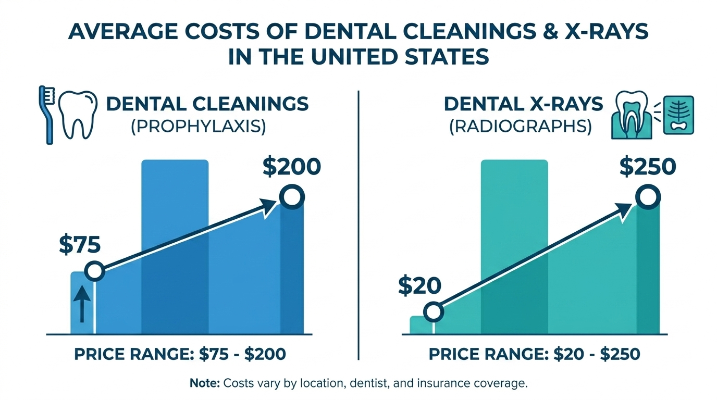
Understanding Dental X-Rays and Cleaning Costs Without Insurance
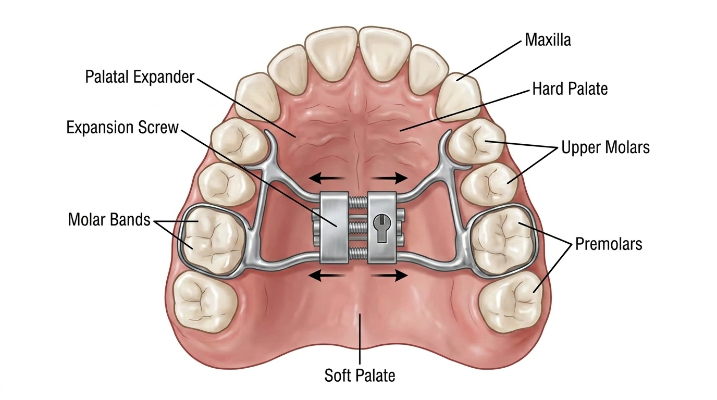
Understanding Orthodontic Palatal Expanders A Comprehensive Guide for Patients
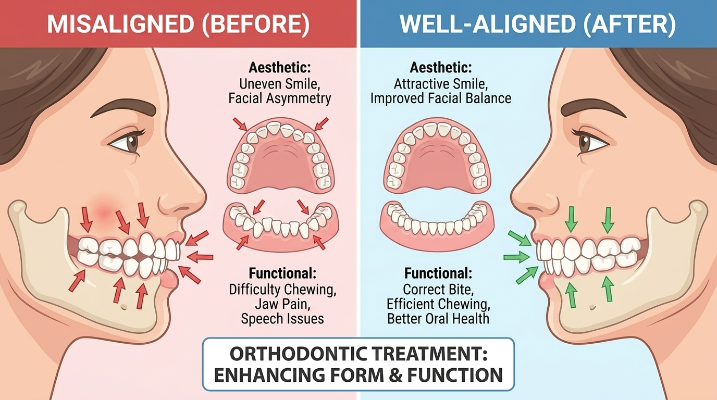
Understanding Orthodontics A Comprehensive Guide to Treatment, Costs, and Options
How Much Does Dental Insurance Cost A Comprehensive Guide to Understanding Dental Coverage
Dentures VS Implants Cost, Comfort, and Longevity Compared
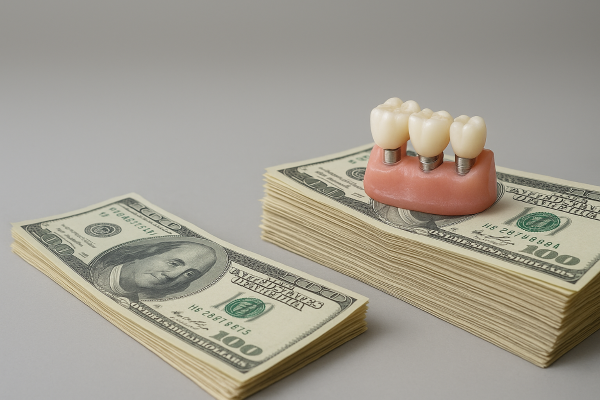
Patients researching tooth replacement typically encounter implant pricing first and start looking for alternatives once they see the figures. Dentures are the most common alternative, and the comparison between the two is more nuanced than a simple price difference.
Each option suits different circumstances. The right choice depends on how many teeth are missing, the condition of the jawbone, available budget, and how much ongoing maintenance a patient is prepared to manage.
Upfront Cost Comparison
The initial price gap is substantial. Conventional full dentures typically run roughly $1,500 to $4,000 per arch, with a national average for dentures near $1,950. Economy dentures can be found below that range, while premium materials and custom fitting push higher.
A single dental implant typically runs $3,000 to $6,000, averaging near $4,500. Full-arch implant treatment, including approaches such as All-on-4, commonly runs $20,000 to $30,000 per arch.
Implant-supported dentures occupy the middle ground. These use a smaller number of implants, often two to four per arch, to anchor a denture that snaps into place. Costs commonly run $6,000 to $15,000 per arch depending on the number of implants and the denture design.
The Long-Term Cost Picture
Upfront price is only part of the calculation, and this is where the comparison shifts.
Dentures require ongoing maintenance. Relining, which adjusts the fit as the jaw changes shape, is typically needed every one to two years at roughly $200 to $500 per arch. Full replacement is generally recommended every five to ten years. Adhesives, cleaning products, and occasional repairs add smaller recurring costs.
Implants carry higher upfront cost but lower ongoing expense. The implant post itself frequently lasts decades with proper care. The crown attached to it may need replacement after roughly 10 to 15 years, costing $1,000 to $3,000. Routine cleanings and exams continue as normal.
Across a twenty-year horizon, the total cost difference narrows considerably, though implants generally remain the more expensive option in absolute terms.
Bone Health: The Difference Most Patients Do Not Know About
This is arguably the most significant functional distinction between the two options, and it is rarely explained clearly.

Jawbone is maintained by the stimulation it receives from tooth roots during chewing. When teeth are removed, that stimulation stops and the bone gradually resorbs. This process continues over years and changes the shape of the face, producing the sunken appearance associated with long-term denture wearers.
Implants are placed into the bone and transmit chewing forces into it, which helps preserve bone volume in the surrounding area. Conventional dentures rest on top of the gums and do not provide this stimulation, so bone loss continues underneath them. This is also why dentures require periodic relining: the ridge they sit on is changing shape.
Comfort and Daily Function
Conventional dentures are removable and held in place by suction, ridge anatomy, and sometimes adhesive. Most wearers report an adjustment period of several weeks involving sore spots, increased saliva, and altered speech. Chewing force is meaningfully reduced compared with natural teeth, and certain foods remain difficult.
Implants function much like natural teeth. They are fixed in place, do not shift during eating or speaking, and restore a much higher proportion of natural chewing force. There is no adjustment period in the same sense, though healing after placement takes time.
Implant-supported dentures split the difference. They snap onto implant attachments, which eliminates most of the slipping associated with conventional dentures while remaining removable for cleaning. Many patients find this the most practical compromise between cost and function.
Treatment Timeline
Dentures are considerably faster. After any necessary extractions and healing, the process of impressions, fitting, and delivery typically spans several weeks. Immediate dentures can be placed on the same day as extractions, though they require relining once healing is complete.
Implants take months. After placement, the bone must integrate with the implant surface, a process called osseointegration, which generally requires three to six months. If bone grafting is needed first, add several more months. The full timeline from consultation to final restoration commonly runs six months to a year.
Who Is a Candidate for Each
- Sufficient bone volume is required for implants. Patients with significant bone loss may need grafting first, adding $300 to $1,500 per site and extending the timeline.
- Uncontrolled diabetes, active gum disease, and heavy smoking all reduce implant success rates and may need addressing before treatment.
- Certain medications, particularly some bone medications, require discussion with both the dentist and the prescribing physician.
- Dentures have far fewer medical prerequisites, which makes them accessible to patients who are not implant candidates.
- Age alone is not a disqualifier for implants. Bone quality and general health matter more than the number.
How Insurance Treats Each Option
Coverage differs substantially. Many dental plans include some benefit for dentures, commonly at around 50 percent, treating them as a standard prosthetic service.
Implants are covered less consistently. Some plans exclude them entirely, some cover the crown portion but not the surgical placement, and some apply a missing tooth clause that denies coverage for teeth absent before the policy began. Annual maximums between $1,000 and $2,000 mean that even covered implant work is largely self-funded.
Verify implant coverage in writing before treatment planning. Ask specifically about missing tooth clauses, waiting periods, and whether the surgical and restorative phases are handled differently.
Living With Dentures Day to Day
Practical realities matter as much as clinical comparisons, and they are rarely covered in consultations.
Dentures are removed for cleaning, typically brushed daily with a non-abrasive cleaner and soaked overnight. They should not be cleaned with regular toothpaste, which is too abrasive, or with hot water, which can warp them. Most clinicians recommend removing them overnight to let the gum tissue rest.
Eating requires adaptation. Most people start with soft foods cut small, chew on both sides simultaneously to keep the denture stable, and gradually expand their range. Certain foods remain difficult long term, particularly very hard, sticky, or small seeded items.
Sore spots in the first weeks are normal and are adjusted by the dentist rather than endured. Persistent soreness after the adjustment period usually means the fit needs attention, not that you need to get used to it.
Living With Implants Day to Day
Implants are cleaned much like natural teeth: brushing twice daily and cleaning between them. Specific tools are often recommended, including interdental brushes and floss designed for implants.
The condition to understand is peri-implantitis, an inflammatory condition affecting the tissue and bone around an implant. It is essentially gum disease around an implant, it can cause implant failure, and it is the main long-term risk. Regular professional maintenance appointments are important rather than optional.
Eating is largely unrestricted, though extremely hard items such as ice and hard candy should be avoided as they can damage the crown, exactly as they would damage a natural tooth.
Questions to Ask at a Consultation
- How much bone do I have, and would I need grafting? This determines both cost and timeline more than anything else.
- What is the total treatment cost including all stages, not just the surgical placement?
- How many appointments and how many months from start to finish?
- What happens if an implant fails to integrate, and who bears the cost of redoing it?
- For dentures: how many relines are typically needed and what do they cost?
- Is an implant-supported denture an option in my case, and how would it compare on cost?
Getting two consultations is worthwhile for treatment of this scale. A prosthodontist and a general dentist may propose meaningfully different plans, and understanding why gives you a much better basis for deciding.
Choosing Between Them
If budget is the primary constraint and multiple teeth are missing, conventional dentures provide a functional restoration at the lowest entry price. If long-term bone preservation and chewing function matter most and the budget allows, implants deliver more.
For many patients with a full arch missing, implant-supported dentures represent the practical middle: substantially better stability than conventional dentures at well under the cost of full-arch fixed implants.
Request written estimates for at least two options from the same practice, including projected maintenance costs over ten years. Comparing total projected cost rather than initial price gives a far more accurate picture of what each path actually involves.