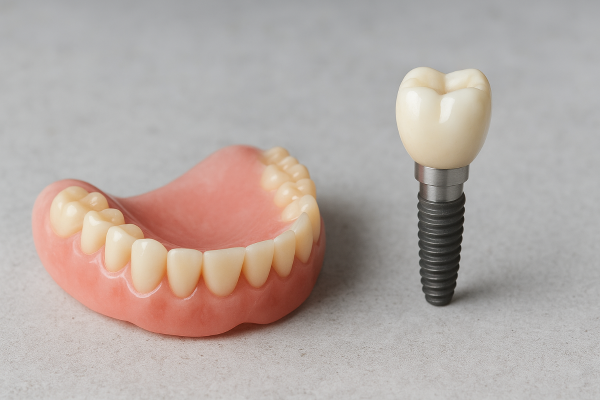
Dentures VS Implants Cost, Comfort, and Longevity Compared

What Counts as a Dental Emergency and What It Costs After Hours
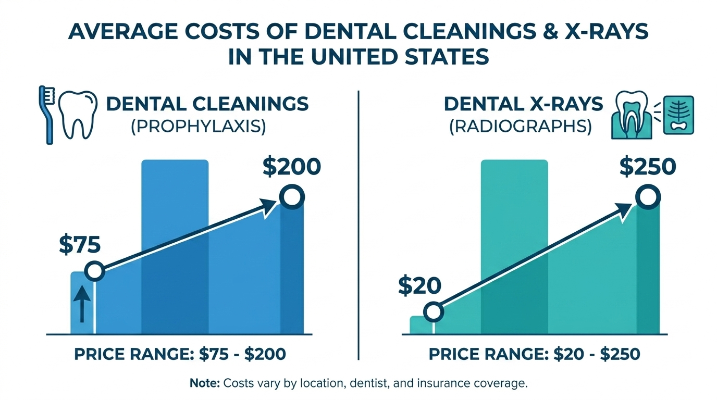
Understanding Dental X-Rays and Cleaning Costs Without Insurance
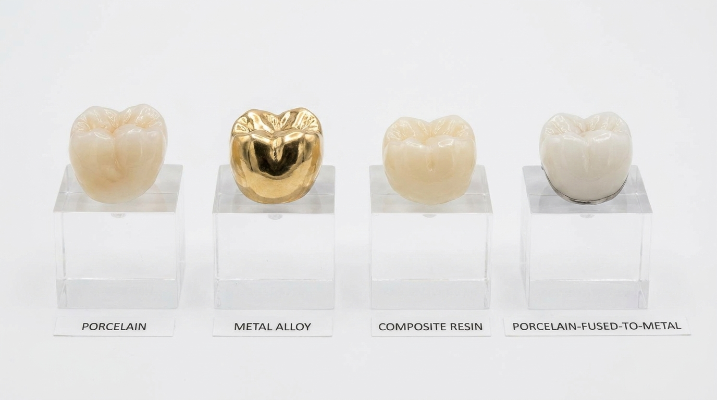
Dental Crowns What They Are, Why They Are Used, and How to Care for Them
Canker Sore Treatments Relief Options, Home Remedies, and When to Get Help
Canker sores are small mouth ulcers that can cause pain and discomfort, especially while eating, drinking, or brushing. Although most canker sores heal on their own within one to two weeks, treatment options can help reduce irritation and make the recovery period more comfortable.
Common approaches include over-the-counter oral care products, soothing mouth rinses, and simple home remedies that may ease symptoms. Understanding available treatments and knowing when to seek professional advice can help you manage canker sores more effectively.
What Are Minor Canker Sores?
Minor canker sores are characterized by their small, shallow nature, typically measuring less than one centimeter in diameter. These ulcers usually appear round or oval, encircled by a red halo that indicates irritation. They often elicit a burning or tingling feeling, making eating, drinking, and speaking quite uncomfortable. Fortunately, the majority of minor canker sores heal naturally within a week, rendering them a common yet temporary nuisance.
Several factors can influence the frequency and duration of these sores. Dietary elements, such as acidic fruits or overly spicy foods, can worsen symptoms. Additionally, stress events and hormonal changes are known triggers for outbreaks. By understanding the characteristics of minor canker sores and recognizing potential triggers, individuals can better manage their symptoms and take proactive steps to minimize recurrence.
Home Remedies and Self-Care for Canker Sore Relief
Canker sores can significantly disrupt daily life due to the discomfort they cause. Thankfully, several effective home remedies and self-care strategies exist to alleviate symptoms and foster faster healing. One of the most crucial aspects of managing canker sores involves maintaining adequate hydration. Drinking plenty of water throughout the day is essential to keep the mouth moist and facilitate the healing process.
Avoiding irritants is just as important; steer clear of spicy foods and acidic fruits that can amplify discomfort. Instead, choose soft and bland food options that are easier on the mouth and less likely to irritate. Maintaining good oral hygiene is vital for effective recovery—brushing teeth gently and using a mild mouthwash can prevent secondary infections and promote quicker healing.
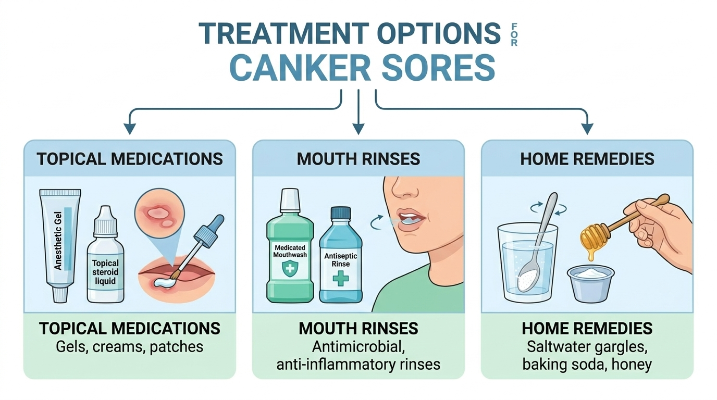
Incorporating comfort measures like saltwater rinses into your routine can significantly reduce inflammation and cleanse the affected areas. Additionally, using topical applications, such as natural gels or pastes made from common household ingredients, can form a protective barrier over the sores while providing pain relief. By following these self-care strategies, individuals can effectively alleviate discomfort from canker sores and encourage a more rapid recovery process.
Over-the-Counter Treatment Options
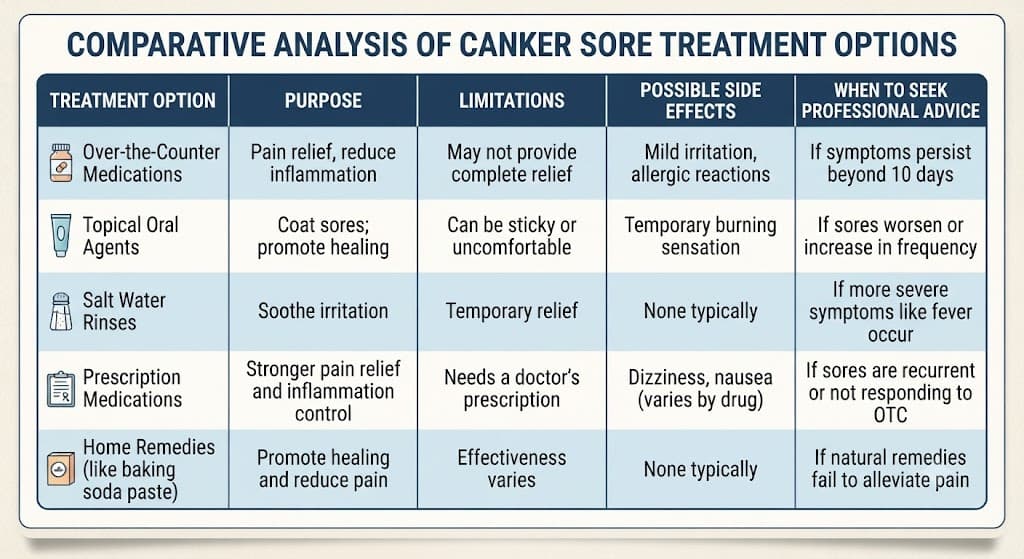
For those struggling with canker sores, a variety of over-the-counter (OTC) products can help relieve discomfort and promote healing. One category includes pain relievers, available in the form of gels and patches designed to numb the affected area for temporary relief. These products often contain active ingredients such as benzocaine, and it is essential to follow the instructions carefully, as overuse can lead to additional irritation.
Mouth rinses represent another effective option, offering soothing properties alongside the ability to maintain oral cleanliness. Many rinses contain ingredients like hydrocortisone or antiseptics that work to reduce inflammation and prevent infections. While most mouth rinses are safe for both adults and children over six years old, careful supervision is advised for younger users to prevent swallowing of the rinse.
Lastly, antiseptic washes serve a dual purpose: they promote oral hygiene while also managing canker sores. These solutions can minimize the risk of infection and are generally safe for individuals aged 12 and older. It is vital to adhere to usage guidelines regarding age and dosage to ensure safety and effectiveness.
Clinician-Directed Canker Sore Options
When canker sores become recurrent or especially severe, seeking professional healthcare assistance becomes imperative. A clinician’s intervention is warranted when canker sores persist longer than two weeks or when they accompany severe symptoms such as pronounced pain or difficulties in swallowing. In these situations, healthcare professionals might prescribe specialized mouth rinses designed to minimize inflammation and expedite healing.
Advanced treatment options—such as laser therapy—could also be considered in more severe cases to relieve symptoms and facilitate recovery. Being aware of the signs that necessitate professional guidance is essential for managing canker sores effectively, ensuring that individuals receive appropriate care for their discomfort.
Common Mistakes and Irritants
Dealing with canker sores can be quite uncomfortable, and effectively managing them often requires careful attention to diet and lifestyle habits. One common mistake individuals make is choosing inappropriate foods, such as spicy or acidic items like citrus fruits and tomatoes, that can irritate the sores. Instead, opting for soft, bland foods that do not exacerbate discomfort during the healing period is advisable.
Moreover, maintaining inadequate oral hygiene can hinder recovery. Individuals should brush their teeth gently and avoid alcohol-based mouthwashes, which can further irritate the sores. Tobacco use emerges as another significant irritant, as it heightens canker sore symptoms and prolongs healing. To enhance symptom management, avoiding these irritants and incorporating stress-reduction techniques are highly recommended, as stress can trigger outbreaks. Staying well-hydrated and consuming soothing foods like yogurt or ice cream can also contribute positively to both comfort and recovery.
When to Seek Dental or Medical Care
Recognizing the appropriate moment to consult a dental or medical professional regarding canker sores is crucial for effective care. If your canker sores last longer than two weeks, it indicates that self-treatment may not suffice. Sores persisting beyond this period could signify an underlying issue needing professional evaluation.
Moreover, frequent recurrences of canker sores may reveal a serious condition or dietary deficiencies that should be discussed with a healthcare provider. Severe pain that disrupts daily activities, such as eating or speaking, should not be ignored; it merits immediate consultation. Should over-the-counter remedies fail to relieve symptoms or if pain intensifies, a professional evaluation might help identify the underlying cause and recommend more effective treatment options.
Lastly, watch for any underlying health issues, such as persistent fatigue or unusual symptoms accompanying the sores, which could indicate immune system disorders or other health problems needing attention. Addressing these signs early on with professional guidance can yield better results and alleviate discomfort more effectively.
In essence, when canker sores fail to heal quickly, recur frequently, or cause significant pain, consulting a dentist or doctor becomes vital for ensuring appropriate treatment and care.