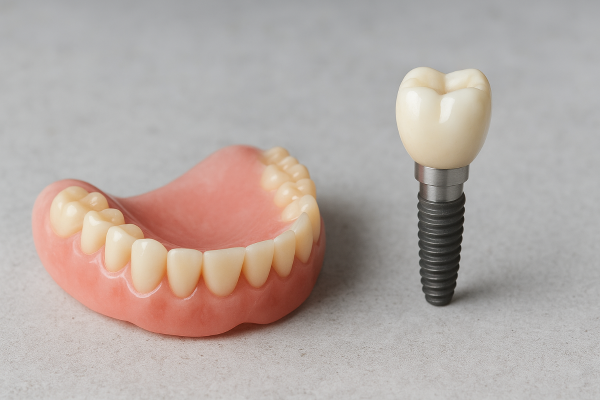
Dentures VS Implants Cost, Comfort, and Longevity Compared
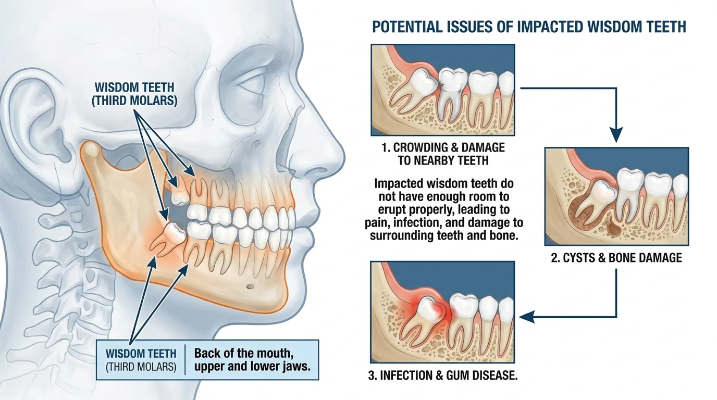
Wisdom Teeth Removal What You Need to Know
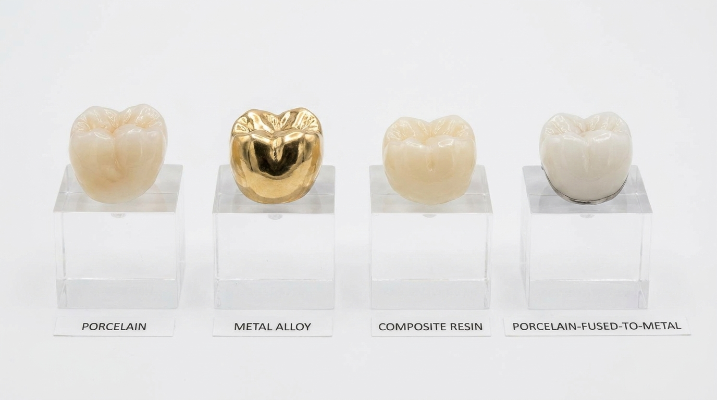
Dental Crowns What They Are, Why They Are Used, and How to Care for Them
Understanding Full Mouth Dental Implants Costs, Insurance, and Key Insights
Orthodontic Assessment What to Expect and Why It Matters
A thorough orthodontic assessment is the bedrock of effective orthodontic treatment. Without a detailed evaluation, crafting a personalized treatment plan becomes nearly impossible, potentially compromising outcomes and patient satisfaction. Orthodontics involves much more than simply straightening teeth; it requires a comprehensive analysis of dental alignment, jaw relationships, and overall oral health. This article demystifies the orthodontic assessment process, guiding you through its critical components and highlighting the importance of each step in achieving successful treatment outcomes. Whether you're a potential patient or someone looking to understand the intricacies of orthodontics, this guide enlightens you on how these assessments lay the groundwork for individualized care and lasting results. Join us as we explore what you can expect during an orthodontic assessment and why it is essential for maintaining both functional and aesthetic oral health.
What Is an Orthodontic Assessment?
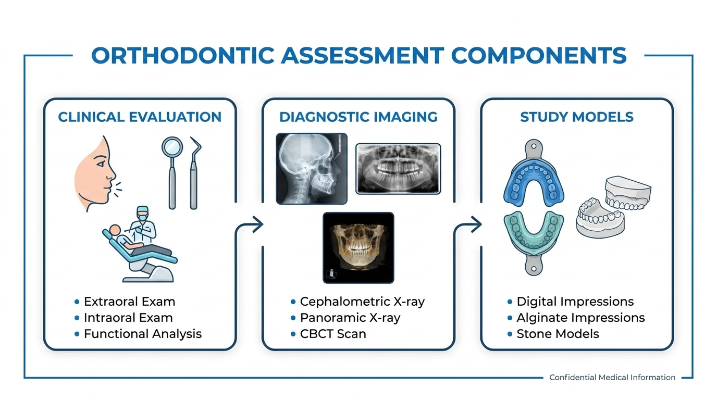
An orthodontic assessment is a comprehensive evaluation performed by an orthodontist to diagnose dental and skeletal issues requiring treatment. This crucial process is typically composed of detailed examinations, including clinical evaluations, X-rays, and dental impressions. Patients may need an orthodontic assessment in various situations: firstly, before undergoing braces, individuals must understand their specific orthodontic needs and how braces will effectively address them. Secondly, those contemplating Invisalign usually undergo this assessment to determine their candidacy for clear aligners, which necessitate precise planning for successful results. Lastly, patients seeking corrective orthodontic treatment—such as surgery or complex realignment—require a thorough assessment to facilitate appropriate treatment planning. This evaluation plays a vital role in customizing the treatment approach to ensure that each patient receives the best care possible, tailored to their unique dental profile.
Why a Comprehensive Orthodontic Assessment Is Important
A thorough orthodontic assessment is indispensable for diagnosing underlying issues that may not be immediately visible. For example, a patient may present with a noticeably crooked smile, but the assessment could uncover skeletal discrepancies requiring different treatment approaches. Without this understanding, treatment might merely address surface-level concerns, leaving long-term issues unaddressed.
Additionally, preventing complications during treatment significantly enhances patient comfort and efficacy. An assessment can identify potential issues such as jaw discrepancies or habits like thumb-sucking that could derail progress. By addressing these factors upfront, orthodontists can avoid unnecessary discomfort and delays in treatment.
Equally important is the creation of personalized treatment plans. Each patient's dental structure and needs are unique; a comprehensive assessment enables orthodontists to tailor interventions, ensuring optimal results and minimized treatment times. For instance, a teenager with a growing jaw may benefit from early intervention that would not be considered without a thorough evaluation.
Finally, enhancing the long-term stability of results is paramount. By understanding each patient's unique dental landscape, orthodontists can devise strategies that help in maintaining results and reducing the likelihood of relapses. Consequently, a comprehensive assessment not only improves treatment success but also fosters lasting smiles.
Facial and Smile Evaluation
Aesthetic evaluations are essential in orthodontics for crafting a treatment plan that maintains both function and beauty. Key factors assessed during facial and smile evaluations include:
Facial Profile
The facial profile significantly impacts orthodontic outcomes, referring to the side profile of a person's face and establishing the relationship between the teeth, jaw, and overall facial aesthetics. An ideal facial profile displays balance and harmony among these structures, essential for both functional and aesthetic purposes.
Facial Symmetry
Facial symmetry is another vital component in orthodontic evaluations. A symmetrical appearance is often deemed more attractive, and symmetry is crucial in determining how individuals and orthodontists perceive facial aesthetics. Assessing symmetry allows practitioners to identify irregularities that may require orthodontic intervention to enhance the patient's overall facial attractiveness.
Smile Appearance
The appearance of a person's smile is instrumental in affecting their confidence and social interactions. An ideal smile encompasses balanced tooth display, appropriate gingival exposure, and aligned teeth. During assessments, orthodontists evaluate the smile to determine how it integrates into broader facial aesthetics, directly influencing treatment decisions.
Lip Support and Smile Line
Lip support and smile line are critical considerations in orthodontic evaluations. Proper lip support can enhance facial harmony and contribute to a natural smile. The smile line, characterized by the curvature of the upper teeth in relation to the lower lip, should ideally follow this curvature. Ensuring an optimal relationship among lip support, smile line, and tooth positioning secures both aesthetic appeal and functional alignment. Orthodontists must evaluate these aspects meticulously, as they significantly inform treatment plans aimed at achieving a harmonious, functional smile configuration.
Dental and Bite Assessment
Evaluating dental structures and bite alignment is crucial for ensuring optimal oral health and aesthetics. The assessments performed include:
Tooth Alignment
This involves examining the positioning of each tooth. Misalignment can hinder proper cleaning, increasing the risk of decay and gum disease.
Crowding and Spacing
This assessment checks if teeth are overcrowded or spaced too far apart. Adequate spacing is necessary; overcrowded teeth can obstruct oral hygiene, while excessive spacing can negatively impact facial appearance.
Overbite and Overjet
Overbite refers to the vertical overlap between upper and lower teeth, while overjet refers to their horizontal distance. These factors affect bite function and facial profile; excessive overbite can lead to jaw discomfort, while pronounced overjet may impact speech and chewing ability.
Crossbite and Open Bite
These evaluations assess alignment when biting down. A crossbite occurs when upper teeth sit inside lower teeth, which can cause uneven wear or jaw pain. An open bite occurs when teeth do not meet when the mouth is closed, impairing both function and aesthetics.
Midline Alignment
This checks if the center of the upper teeth aligns with the lower teeth. Any misalignment can disrupt the overall balance of the smile.
Each assessment is vital, not only for functional reasons such as efficient chewing and speech but also for aesthetic considerations that impact self-esteem and social interactions. Proper evaluations lay the foundation for effective orthodontic treatment.

Functional Assessment
Functional evaluations in orthodontics are crucial for understanding a patient's oral function and diagnosing potential issues. Key evaluations include:
Jaw Function
This involves assessing range of motion, symmetry, and overall jaw mobilization. Observational assessments of how efficiently the jaw opens and closes reveal critical insights into occlusive relationships and can indicate underlying issues that require attention.
Temporomandibular Joint (TMJ)
Evaluating TMJ function centers on the joint's movement and any associated pain or dysfunction. This includes physical assessments and auditory evaluations for clicks or pops, identifying patients who may need specific treatments aimed at alleviating discomfort.
Chewing Function
This evaluation examines how effectively a patient can chew, analyzing coordination and strength of mastication muscles, which affect nutrition and overall health. Identifying issues may necessitate orthodontic adjustments or interventions to improve bite mechanics.
Tooth Wear Patterns
Analyzing wear patterns aids in detecting bruxism or misalignment, guiding treatment planning. Worn teeth can indicate occlusal discrepancies, necessitating restorative measures or orthodontic corrections to avert further damage.
Functional evaluations greatly influence treatment planning decisions by providing an in-depth understanding of patient needs, ensuring orthodontic interventions are tailored and effective.
Oral Health Assessment
Evaluating overall oral health before starting orthodontic treatment is critical to ensure a successful outcome. Key factors include:
Gum Health
Healthy gums play a central role, as untreated gum disease can interfere with teeth movement and prolong treatment progress. Effective periodontal health ensures teeth stability during orthodontic adjustments, reducing complications.
Oral Hygiene
Patients must maintain good oral hygiene practices. Inadequate hygiene can result in plaque buildup and additional dental issues during treatment, hampering the effectiveness of orthodontic devices.
Existing Restorations
Evaluating restorations—fillings, crowns, or bridges—is crucial, as they may affect tooth alignment and overall treatment plans.
Tooth Decay and Damage
Any tooth decay or damage requires immediate attention to prevent complications that could impede the orthodontic process, ensuring a healthy basis for effective treatment.
Diagnostic Records Used During an Orthodontic Assessment
Orthodontists utilize several essential diagnostic tools during assessments to guide treatment planning.
Digital X-Rays
These provide clear images of the teeth and bone structure, enabling the evaluation of dental alignment and detection of potential issues such as decay or impacted teeth, thereby facilitating precise diagnosis and customized treatment strategies.
Photographs
Photographs are key for capturing the patient's facial aesthetics and smile dynamics. Both extraoral and intraoral photographs help orthodontists assess alignment, proportions, and overall oral health, creating a visual record that tracks changes over time.
Digital Scans or Impressions
These modern approaches replace traditional mold-making by creating accurate 3D models of patients' teeth, enhancing comfort and precision, which is vital for effective treatment outcomes.
Cephalometric Analysis
This provides lateral X-ray images of the skull that assist orthodontists in evaluating jaw relationships and growth patterns, facilitating the identification of orthodontic issues and contributing to personalized treatment planning.
Together, these diagnostic records inform diagnoses and ensure that orthodontic treatment is customized to meet each patient's unique needs, optimizing outcomes for improved oral health and aesthetics.
How Orthodontists Develop a Treatment Plan
The treatment planning process in orthodontics is multifaceted and involves several critical steps:
Identifying Treatment Goals
Orthodontists begin by establishing treatment goals tailored to each patient, aiming for optimal aesthetic and functional results while considering factors like alignment, occlusion, and oral health.
Selecting the Right Orthodontic Approach
After defining the goals, they select the most appropriate orthodontic method, which may include traditional braces, clear aligners, or other appliances, depending on the specific needs and preferences of the patient.
Estimating Treatment Duration
An essential aspect of planning is estimating treatment duration, which helps manage patient expectations. Treatment times typically vary based on case complexity, with orthodontists providing rough estimates after analyzing the patient's needs and progress.
Planning Retention and Long-Term Stability
Planning for retention and long-term stability is vital to maintaining results, involving the creation of a custom retention plan after treatment, which may include retainers or follow-up evaluations to monitor the stability of outcomes.
Each of these elements works cohesively to develop an effective orthodontic treatment plan that maximizes patient satisfaction and ensures lasting results.
Common Findings During an Orthodontic Assessment
An orthodontic assessment seeks to identify issues connected to teeth and jaw alignment that may impact oral health and aesthetics. Common findings include:
- Crowded teeth: Insufficient space results in overlapping teeth, complicating cleaning and raising cavity risks.
- Gaps between teeth: These may indicate spacing issues and can cause aesthetic concerns, prompting treatment to improve alignment.
- Bite misalignment: Malocclusion leads to discomfort and uneven wear, necessitating corrective measures.
- Jaw discrepancies: Conditions like overbites or underbites produce functional problems affecting jaw movement and causing muscle strain.
- Impacted teeth: Often wisdom teeth, which may not emerge properly, may result in pain or misalignment of adjacent teeth.
Identifying these findings is crucial as they inform the orthodontist in devising an effective treatment plan tailored to each patient's specific needs, ensuring optimal results and improved oral health.
Paving the Way for Future Smiles
As you embark on your journey to a radiant smile, a comprehensive orthodontic assessment stands as a cornerstone. This evaluation assesses not only the alignment of teeth and jaw structure but also uncovers underlying issues that may hinder successful treatment outcomes. By prioritizing this essential step, patients prepare their orthodontist with necessary insights to create tailored treatment plans that address both aesthetic and functional goals. It's crucial to recognize that a thorough assessment supports informed decision-making and sets realistic expectations for the orthodontic process. Ultimately, investing time in a comprehensive evaluation can lead to more effective and long-lasting results. As you contemplate your orthodontic journey, remember that taking this fundamental step can pave the way for the smile you've always desired. Never underestimate the significance of a thorough assessment—the health of your smile hinges on it.