Dental Veneers Cost, Candidacy, and the Questions to Ask First
Dental Crowns What They Are, Why They Are Used, and How to Care for Them
Understanding Orthodontic Palatal Expanders A Comprehensive Guide for Patients

How Much Does Dental Insurance Cost A Comprehensive Guide to Understanding Dental Coverage
Canker Sores Causes, Treatment, and When to See a Professional
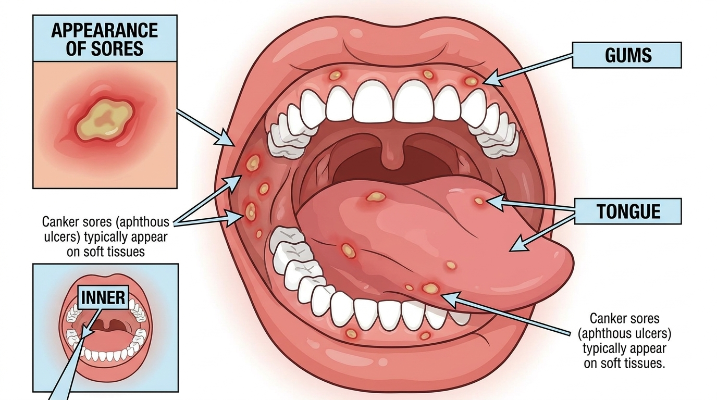
Canker sores, clinically referred to as aphthous ulcers, are small yet painful lesions that develop within the oral cavity, affecting areas such as the inner cheeks, gums, and tongue. Distinct from cold sores, which are caused by the herpes virus and are contagious, canker sores are non-contagious and often occur within the mucosal membranes. Their significance in the realm of oral health is underscored by their commonality, as these ulcers can create discomfort, impacting eating habits, verbal communication, and daily activities. Gaining a thorough understanding of canker sores is essential for recognizing this prevalent condition, managing its symptoms adeptly, and distinguishing it from other oral health disturbances.
What Are Canker Sores?
Canker sores, also identified as aphthous ulcers, manifest as small, painful lesions that typically develop on the soft tissues within the mouth, such as the inner cheeks, gums, and tongue. These ulcers usually appear round or oval-shaped, featuring a gray or white center encircled by a red halo, indicative of inflammation. Canker sores may present in different forms, ranging from solitary ulcers to multiple sores that can occur simultaneously in clusters. Some individuals endure recurrent episodes characterized by repeated formations of canker sores over time. Although the precise causes remain elusive, factors like stress, hormonal shifts, certain dietary sensitivities, and fluctuations within the immune system are believed to contribute to their onset. Understanding these attributes is vital for accurate identification of canker sores, allowing individuals to differentiate them from other oral conditions, particularly cold sores linked to the herpes virus.
Why Do Canker Sores Recur?
Canker sores can frequently resurface, proving to be a persistent nuisance for many individuals. Recognizing the reasons behind these recurrences is critical for effective management. A significant factor contributing to the outbreak of canker sores is stress; numerous individuals report an increase in occurrences during particularly anxious periods. The body's response to stress may instigate changes within the immune system that predispose individuals to these painful ulcers.
Hormonal fluctuations also play a key role, particularly as many women note heightened occurrences in relation to their menstrual cycles. This observation suggests that hormonal variations significantly influence both the frequency and severity of these occurrences. Moreover, dietary influences are significant, as certain foods—especially those that are highly acidic or abrasive—can irritate the sensitive tissues of the mouth, potentially spurring the development of canker sores.
Importantly, individual experiences with canker sores vary widely. Triggers that affect one person may not impact another, complicating the task of pinpointing specific causes. Therefore, maintaining awareness of personal triggers, which include lifestyle choices and dietary preferences, is crucial for anyone grappling with recurrent canker sores. Recognizing these elements can assist in managing symptoms effectively and potentially reducing the frequency of these distressing oral challenges.
Tracking Canker Sore Triggers and Symptoms
To manage canker sores effectively, maintaining a symptom-and-trigger diary can be extraordinarily helpful. This straightforward tool allows individuals to identify patterns between their symptoms and potential triggers comprehensively. Start by documenting the date and duration of each canker sore outbreak. For every entry, include pertinent information, such as specific foods consumed, particularly acidic or spicy foods known to contribute to outbreaks.
Additionally, track stress levels on a scale from 1 to 10, since stress can initiate flare-ups of canker sores. Be sure to also note any hormonal changes, especially those occurring around menstruation, that might influence susceptibility. Keep track of your sleep patterns as well, as a lack of adequate rest may weaken immune responses and contribute to outbreaks.
Consistency and thoroughness in your diary entries are essential; collecting a wide array of data will provide deeper insights. After several weeks, review the collected information to identify observable trends. Consider discussing these insights with your healthcare provider, as doing so can help tailor treatment approaches, ensuring more effective management of your condition. By actively tracking these factors, individuals can take a proactive stance toward decreasing the frequency and severity of canker sores, leading to more informed conversations about their oral health.
How to Relieve Canker Sore Discomfort
Managing canker sores requires a multifaceted approach emphasizing comfort and care to minimize discomfort and foster healing. Over-the-counter products, such as benzocaine gels or mouth rinses containing diphenhydramine, may offer numbing relief and help alleviate pain during flare-ups. Additionally, topical treatments comprising aloe vera or chamomile can soothe inflamed tissues and promote comfort.
Sustaining good oral hygiene practices is paramount; using a soft-bristled toothbrush and avoiding toothpaste with sodium lauryl sulfate—known to exacerbate irritation—is crucial. Regular rinsing of the mouth with a saltwater solution or a diluted baking soda rinse can help maintain cleanliness in the affected area and support the healing process.
Dietary choices also play a vital role in promoting comfort. Focus on consuming soft, bland foods such as yogurt and mashed potatoes while steering clear of spicy, acidic, or abrasive items that may irritate the sores. When it comes to beverages, consider opting for cooler alternatives instead of hot drinks.
Lastly, to minimize irritation, refrain from habits such as biting the inside of your cheeks and limit the use of alcohol-based mouthwashes. By adhering to these strategies, individuals can effectively alleviate discomfort caused by canker sores and facilitate a more rapid recovery.
Comparing Canker Sores with Cold Sores and Other Ulcers
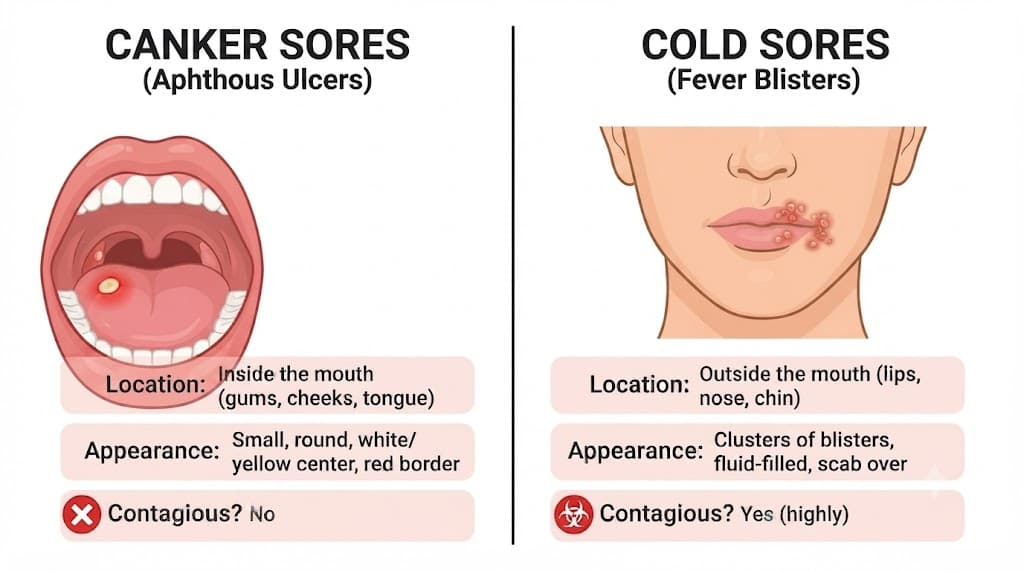
Canker sores and cold sores, despite often being conflated, manifest as distinctly different conditions. Canker sores are small, painful ulcers that occur internally within the mouth and are unrelated to the herpes simplex virus, thereby rendering them non-contagious. These lesions typically appear round or oval with a white or yellowish center and are accompanied by a red halo. Conversely, cold sores, commonly referred to as fever blisters, stem from the herpes simplex virus and tend to emerge around the lips and external areas of the mouth, making them highly contagious, particularly during an active outbreak.
Other types of oral ulcers, such as those linked with conditions like lichen planus or oral thrush, may bear superficial resemblance to canker sores but usually signify underlying health concerns. Unlike canker sores, which typically resolve within one to two weeks, cold sores have the potential for recurrent outbreaks, often managed through the use of antiviral medications. Understanding these distinctions is key for accurate identification and treatment, thereby ensuring effective management of oral health.
Common Mistakes to Avoid With Canker Sores
When managing canker sores, it is imperative to avoid specific behaviors that can exacerbate discomfort and prolong healing times. First and foremost, refrain from consuming spicy, acidic, or crunchy foods, as these can intensify pain and prolong the healing process. Additionally, self-diagnosis poses significant risks; it is critical to consult a healthcare provider for accurate assessment, as other oral conditions may mimic the appearance of canker sores. Rather than seeking rapid relief through unverified home remedies, like pastes made of salt or baking soda, which may lead to increased irritation, focus should remain on evidence-based treatment approaches.
Finally, avoid touching or picking at the sores, as this can introduce harmful bacteria and worsen the condition. Exercise caution and adhere to proper care practices to manage canker sores effectively and facilitate a speedier recovery.
When to Seek Professional Help
While canker sores are generally self-limiting and harmless, certain criteria should prompt individuals to seek professional guidance. Experiencing frequent recurrences—particularly more than three times per year—may suggest underlying issues that necessitate further investigation. Furthermore, systemic symptoms such as fever, swollen lymph nodes, or persistent fatigue might indicate more serious health conditions that warrant professional evaluation.
It is equally vital to seek assessment if signs of nutritional deficiencies emerge, especially concerning vitamin B12, folate, or iron, which could exacerbate the occurrence of canker sores. For individuals with compromised immune systems or the presence of atypical sores that fail to heal after two weeks, professional counsel is essential. Recognizing these indicators empowers individuals to take an active role in managing their health and seeking necessary assistance when the situation demands it.
Managing Canker Sores Through Better Oral Care
Canker sores are common and usually temporary, but understanding their possible triggers and effective care methods can make them easier to manage. By recognizing patterns, practicing good oral hygiene, and using appropriate self-care strategies, individuals can reduce discomfort and support the healing process.
If sores become frequent, severe, or do not heal as expected, seeking advice from a dental or healthcare professional can help identify possible underlying concerns. Staying informed and taking proactive steps can help protect oral comfort and maintain overall mouth health.