Gum Disease Stages, Treatment Costs, and What Happens If You Wait

Tooth Sensitivity Common Causes and When It Signals Something Bigger
Dental Implants Costs, Components, and Key Considerations
What Is Invisalign Benefits, How It Works, and What to Know
Understanding Orthodontic Palatal Expanders A Comprehensive Guide for Patients
An orthodontic palatal expander is a specialized dental appliance that widens the upper jaw (maxilla), thereby creating more space in the oral cavity. This device is essential in orthodontic treatments, addressing various common dental issues, including overcrowding, misalignment, and bite irregularities. Patients often consider palatal expanders when facing these complications, as they facilitate better alignment of teeth, ultimately enhancing overall oral health. Cost is a significant aspect to consider; the typical price for palatal expanders ranges between $1,500 and $3,000, excluding insurance considerations. While some dental plans may provide partial coverage, it's vital for patients to understand their specific insurance details regarding this treatment option. In this article, readers will discover the types of palatal expanders available, their advantages, the assessment process for orthodontic concerns, and factors to contemplate when selecting an orthodontic provider.
What Is an Orthodontic Palatal Expander?
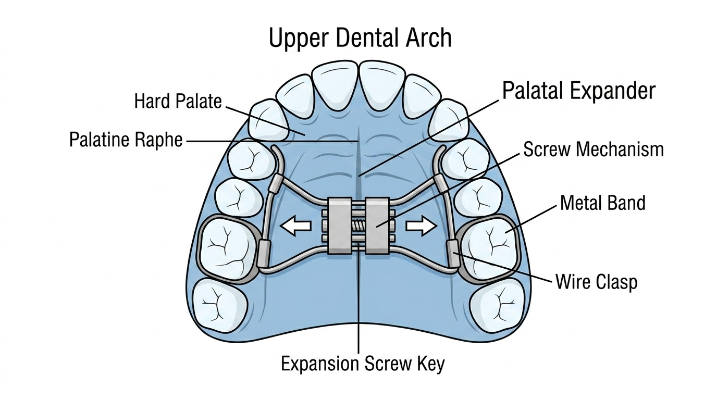
An orthodontic palatal expander is a dental device utilized to widen the upper jaw (maxilla) to create much-needed additional space in the mouth. This process is crucial for individuals suffering from dental issues such as narrow arches, overcrowding, or crossbites. The appliance functions by exerting gentle pressure on the sides of the upper jaw, gradually relocating the bone over time. Operators achieve this through a key mechanism, which is turned periodically to expand the device and separate the two halves of the palate. Individuals may find themselves in need of this expander mainly due to specific orthodontic conditions like severe crowding or to enhance the alignment of a crossbite. Furthermore, this device also aids in better overall health, especially in children, as it can enhance breathing pathways for those suffering from obstructive sleep apnea linked to anatomical constraints.
Who Might Need a Palate Expander?
Palate expanders are typically recommended for individuals facing prevalent dental conditions, especially overcrowding and crossbites. A crossbite occurs when the upper teeth are not properly aligned with the lower ones, which can lead to significant jaw problems and uneven wear over time. Overcrowding often arises in both children and adults, especially when there isn't adequate space in the jaw to accommodate all teeth, leading to overlapping and misalignment. Potential symptoms that may suggest the necessity for a palate expander include chewing difficulties, speech complications, and apparent teeth misalignment. Dentists commonly recommend this treatment during initial assessments, particularly for growing children whose jaws are still developing. Additionally, adolescents and adults who experience relapses or specific structural issues may also reap benefits from using palate expanders, making it vital for anyone experiencing dental issues to consult with an orthodontic specialist for tailored recommendations.
Types of Orthodontic Palatal Expanders
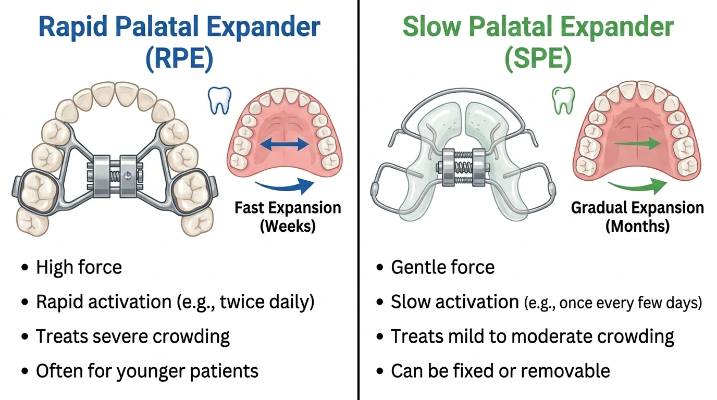
Palatal expanders serve as critical instruments in orthodontics, primarily employed to broaden the upper jaw's width. The two predominant types include rapid and slow expanders, each featuring distinct characteristics. Rapid palatal expanders (RPE), as indicated by their name, promote quick adjustments, typically facilitating palate expansion within a few weeks. This method is predominantly utilized for younger patients whose bones are still undergoing development and is effective in addressing immediate concerns such as severe crowding or crossbites, although they may cause discomfort during the rapid adjustment phase.
Conversely, slow palatal expanders apply continual gentle pressure over extended periods, often several months. They tend to be favored for adults or individuals needing gradual changes since they reduce the risk of discomfort and bone damage. Although they may take longer to achieve desired results, they comply with patient needs more comfortably. Ultimately, a patient’s specific dental condition and age will dictate the choice between these types of expanders, ensuring the selected treatment aligns with their unique needs and circumstances.
Benefits of an Orthodontic Palatal Expander
The usage of orthodontic palatal expanders is accompanied by a multitude of advantages for oral health. The primary benefit includes alleviating overcrowding and enhancing bite alignment. By expanding the palate, these devices create extra room for the teeth, resulting in improved alignment that fosters better functionality in chewing and speaking while mitigating risks for complications such as tooth decay or gum disease that frequently accompany crowded teeth. Furthermore, a well-aligned bite can lead to diminished strain on jaw joints and surrounding muscle tissues, minimizing discomfort during recurring daily activities. Patients can benefit from aesthetic improvements as well, since a properly aligned bite contributes to a more symmetrical facial appearance. Over time, many patients experience long-term benefits, including enhanced oral health and elevated self-esteem from achieving a confident smile that endures well into their adult years. Collectively, these benefits underscore how palatal expanders profoundly impact both oral health and overall quality of life.
How Much Does an Orthodontic Palatal Expander Cost?
In the United States, the cost of orthodontic palatal expanders typically falls within a range of $2,000 to $3,000. Various elements can influence the final price. For instance, traditional expanders are generally on the lower end of the cost spectrum, while more complex alternatives—like bonded or rapid palatal expanders—tend to fetch higher prices due to their intricate nature and advanced technology. Geographical location further affects pricing; typically, orthodontic fees are notably higher in urban centers than in rural areas. Additionally, insurance coverage significantly influences overall costs; numerous plans cover a partial amount, which can alleviate the out-of-pocket expenses faced by patients. Consulting with an orthodontist regarding specific expander costs and exploring financial options available for payment assistance is a crucial step prior to undergoing treatment.
Factors That Affect Cost
In undertaking orthodontic treatment involving palatal expanders, several factors come into play when determining the total cost. Geographic location stands as a primary component affecting prices, as treatments can vary tremendously between metropolitan and rural areas, with urban locations generally incurring higher costs stemming from increased overhead and heightened competition. The expertise and reputation of the orthodontist also contribute significantly to cost; highly regarded orthodontists with substantial experience may charge more, which reflects their skills and patient outcomes achieved. Furthermore, the complexity of treatment—including the severity of the dental issue—as well as the materials used in fabricating the expanders, also critically influence total prices. Specialty materials or advanced construction techniques likely yield higher expenses, reinforcing the importance of understanding these variables in order to make informed decisions throughout the orthodontic journey.
Additional Costs to Consider
Beyond the costs associated with the palatal expander itself, patients should be cognizant of several additional expenses that may arise during orthodontic treatment. Initially, many practices charge a consultation fee that facilitates an assessment of the patient's specific needs and the introduction of a corresponding treatment plan; this initial meeting is pivotal for tailoring approaches to each individual case. Moreover, X-rays are commonly required before treatment initiation to ensure an in-depth understanding of the teeth and jaw alignment, which is critical to successful expander application. Follow-up care appointments are also necessary to monitor progress and adjust the device when needed; these visits influence the overall duration and efficacy of treatment, contributing to a more comprehensive understanding of the patient's oral health status.
Does Dental Insurance Cover Orthodontic Palatal Expanders?
The matter of dental insurance coverage concerning palatal expanders can vary substantially among different plans. Many dental insurance policies typically include partial coverage for orthodontic services, but palatal expanders may be classified under specialized treatments, which could lead to inconsistent reimbursement rates. Common limitations encountered frequently include waiting periods before coverage becomes effective and specific exclusions that might disqualify certain cases from coverage based on the insurer's regulations. It's crucial for patients to thoroughly examine their individual insurance plans to accurately discern coverage options available to them. Verifying by direct communication with insurance representatives can also provide clarification regarding benefits and coverage claims specific to orthodontic requirements.
Financing and Payment Options
When engaging in orthodontic services that include palatal expanders, several financing options and payment plans can make these essential treatments more manageable financially. Many dental practices provide in-house financing solutions that allow patients to subscribe to monthly installment payments, subsequently easing financial pressures. Additionally, third-party financing opportunities are readily accessible, enabling patients to pursue low-interest loans that come with flexible repayment terms designed to accommodate various financial situations.
Proactive healthcare financing plays a vital role in ensuring accessibility to necessary treatments, ultimately fostering improved oral health. Patients may also consider utilizing Health Savings Accounts (HSAs) and Flexible Spending Accounts (FSAs) to allocate funds for dental care, ensuring that their pre-tax income covers associated costs. HSAs permit tax-free withdrawals for coverable medical expenses, while FSAs help patients budget effectively for orthodontic treatments, maximizing their savings potential for a more financially sound orthodontic care pathway.
Orthodontic Palatal Expander vs Alternative Treatments
When deciding on orthodontic interventions for dental concerns such as overcrowding and misalignment, orthodontic palatal expanders serve as a notable option, distinguished from alternatives like braces or clear aligners. Palatal expanders tend to be more effective in swiftly expanding the dental arch during growth years, notably from ages 7 to 14. The average treatment cost ranges from $1,000 to $3,000, with regular adjustments required from an orthodontist.
In comparison, traditional braces may range from $3,000 to $7,000, offering durable results; however, they can take more time to achieve similar spacing. Clear aligners, while visually appealing and removable, may not match the effectiveness of palatal expanders in expanding the dental arch, thus proving less suitable for more severe orthodontic scenarios. Ultimately, factors such as the specific dental condition being addressed, patient age, and individual preferences with respect to aesthetics and maintenance will drive the decision-making between these differing treatment modalities.
Risks and Considerations
While orthodontic palatal expanders generally maintain a safety profile, patients should remain aware of potential complications that may arise during treatment. These can include discomfort, oral sores, and challenges with speech during the adjustment phase. Patients may also experience minor pain as their teeth and palate adapt to the expander. Recovery typically involves acclimatization, prevailing from a few days to a couple of weeks following device placement, during which soreness or tenderness in the palate and gums is commonplace.
Patients ought to recognize that palatal expanders might not be suitable for every case; those with specific dental conditions may find non-invasive alternatives like braces or clear aligners more appropriate. When presented with severe crowding or significant jaw discrepancies, consulting with an orthodontist is fundamental for delineating the most effective treatment strategy aligned with individual needs.
Is an Orthodontic Palatal Expander Worth It?
In weighing the long-term advantages of using a palatal expander, many patients discover considerable enhancements in quality of life. Enhanced dental alignment and function often arise, effectively alleviating overcrowding and misaligned bites, which promotes reduced strain on jaw muscles and diminishes the risk of future dental anomalies. Once treatment concludes, palatal expanders demand minimal maintenance, primarily requiring standard dental check-ups to oversee overall health.
A cost-benefit analysis is also pertinent; palatal expanders typically range in cost from $2,000 to $4,000, which may appear substantial when contrasted with other options like braces. Nevertheless, the lasting advantages—such as reduced further orthodontic interventions, enhanced comfort, and elevated oral health—can justify the initial financial commitment, making it a worthwhile consideration for vast numbers of individuals. The overall positive implications for dental health remain a crucial factor in guiding this decision-making process.