Tooth Sensitivity Common Causes and When It Signals Something Bigger
Dental Crowns What They Are, Why They Are Used, and How to Care for Them
Canker Sore Treatments Relief Options, Home Remedies, and When to Get Help
Understanding Orthodontic Palatal Expanders A Comprehensive Guide for Patients
Canker Sores Symptoms, Causes, and How to Manage Them
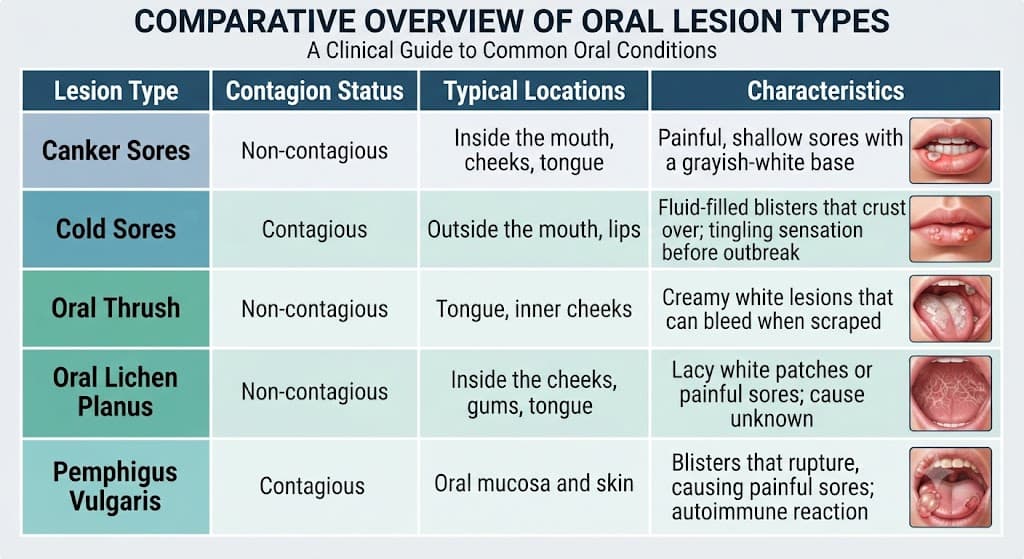
Canker sores are small, painful ulcers that develop inside the mouth, often appearing on the lips, cheeks, gums, or tongue. Unlike cold sores, they are not contagious and usually heal on their own within a week or two.
Understanding what canker sores look like, what may trigger them, and how to relieve discomfort can help you manage symptoms more effectively. This guide explains common causes, self-care methods, and when it may be necessary to seek advice from a healthcare professional.
What are Canker Sores?
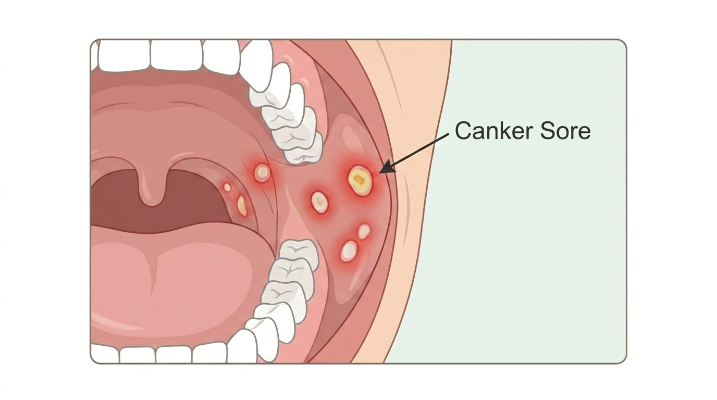
Canker sores, scientifically designated as aphthous ulcers, are small yet painful lesions developing in the soft tissues inside the mouth. Typically, these ulcers take on a round or oval shape, varying in size from a couple of millimeters up to approximately one centimeter in diameter. They are characterized by a white or yellow center encircled by a red halo, often creating a burning sensation during activities like eating and talking.
Canker sores commonly occur on areas such as the inner surfaces of the cheeks, lips, beneath the tongue, or at the base of the gums. Unlike cold sores, which arise from the herpes simplex virus and are contagious, canker sores are not infectious and cannot be transmitted from one person to another. Their exact cause remains uncertain; however, potential triggers include stress, hormonal fluctuations, and even specific dietary choices.
Recognizing the distinctive features of canker sores is vital for individuals unfamiliar with them, as proper identification can lead to more effective self-care and management strategies to alleviate discomfort.
What Canker Sores Look Like and Where They Appear
Canker sores are usually small, round, or oval ulcers that develop inside the mouth. They often appear as white, gray, or yellowish spots with a red border around the affected area. Most sores are small, but their size and appearance can vary depending on the severity and type of ulcer.
These sores commonly develop on the inside of the lips and cheeks, the gums, and the underside of the tongue. They can also appear on areas such as the soft palate or near the base of the gums. While some people experience mild discomfort, others may have significant pain that makes eating, drinking, or speaking more difficult.
Common Causes and Triggers of Canker Sores
Canker sores, or aphthous ulcers, can be triggered by a range of factors, including:
- Stress: Emotional or physical stress is frequently identified as a major catalyst for the onset of canker sores.
- Dietary Influences: Certain foods, especially citrus fruits, spicy dishes, and chocolate, might irritate the mouth's delicate membranes, leading to the development of these lesions.
- Hormonal Changes: Variations in hormonal levels, particularly among women during their menstrual cycles, have been known to instigate canker sores.
- Nutritional Deficiencies: Inadequate intake of vital vitamins, such as B12, folic acid, and iron, correlates with an elevated risk of sore occurrences.
Besides these individual triggers, canker sores have been associated with broader health conditions such as autoimmune disorders and specific gastrointestinal diseases. These connections do not directly lead to diagnoses, but emphasize the necessity to understand one’s overall health to manage recurrent ulcers effectively. Identifying triggers can empower individuals to effectively manage and reduce occurrences of these troublesome sores.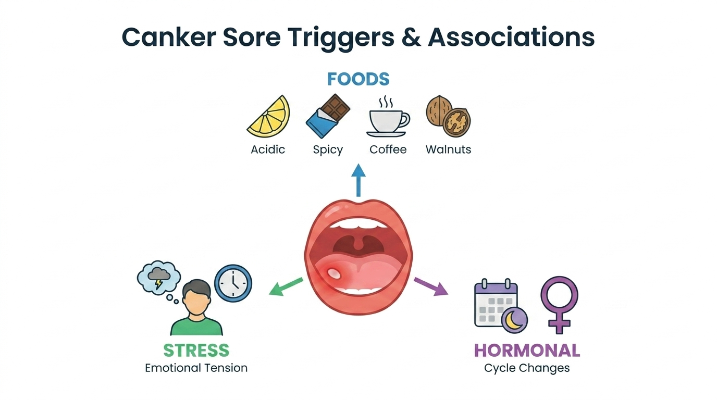
How Long Canker Sores Last and Ways to Relieve Discomfort
Most canker sores heal on their own within one to two weeks. They often begin as a small, tender spot before developing into a more noticeable ulcer. During the healing process, pain and irritation may become more noticeable when eating, drinking, or brushing the teeth.
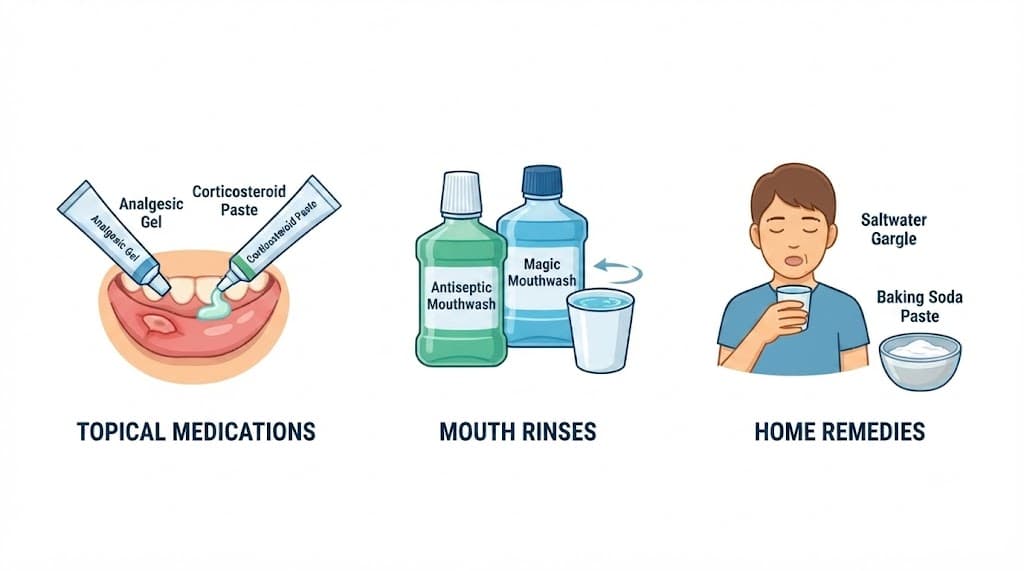
Several self-care methods can help reduce discomfort while the sore heals. Rinsing with warm salt water may help soothe irritation, while over-the-counter oral gels or pain-relieving products can provide temporary relief. Maintaining gentle oral hygiene is also important, as brushing carefully and keeping the mouth clean can support recovery.
Avoiding foods that may irritate the sore, such as spicy, acidic, or rough-textured foods, can make symptoms easier to manage. If sores become unusually large, occur frequently, or do not improve after an extended period, consulting a healthcare professional or dentist may be appropriate.
Canker Sores, Cold Sores, and Other Mouth Lesions
How to Prevent Further Irritation
When managing canker sores, various irritants and lifestyle habits can intensify the condition, heightening discomfort. Key offenders include smoking and excessive alcohol consumption, both of which not only irritate oral tissues but can also compromise overall oral health.
Moreover, it is imperative to avoid using abrasive toothpaste or mouthwashes containing alcohol, as these can further irritate sensitive areas in the mouth. While some home remedies may offer temptation, many lack substantial evidence supporting their efficacy and safety. For instance, applying lemon juice or vinegar to canker sores can lead to increased pain and irritation instead of relief, underscoring the importance of relying on medically supported methods. Consulting healthcare professionals for comprehensive advice is essential in promoting effective management of canker sores and enhancing overall oral health.
When to See a Dentist or Clinician
Although canker sores can often be effectively managed at home, certain symptoms necessitate a professional evaluation. Severe pain that hampers daily activities and complicates eating or speaking is often a strong indication of the need for medical consultation. Prolonged healing periods, where sores persist beyond two weeks, also warrant a visit to a healthcare provider, as they could be indicative of underlying issues.