Dentures VS Implants Cost, Comfort, and Longevity Compared
Dental Implants Costs, Components, and Key Considerations
Dental Implants A Comprehensive Guide to Oral Health Solutions
Canker Sore Treatments Relief Options, Home Remedies, and When to Get Help
Wisdom Teeth Removal What You Need to Know
Wisdom teeth removal is a common dental procedure that involves extracting the third molars located at the back of the mouth. These teeth usually appear during the late teens or early twenties, and removal may be recommended when they do not have enough space to grow properly or become impacted.
Impacted or misaligned wisdom teeth can sometimes lead to problems such as pain, infection, gum issues, or damage to nearby teeth. Understanding why removal may be needed, what the procedure involves, and what to expect during recovery can help patients make more informed decisions about their oral health.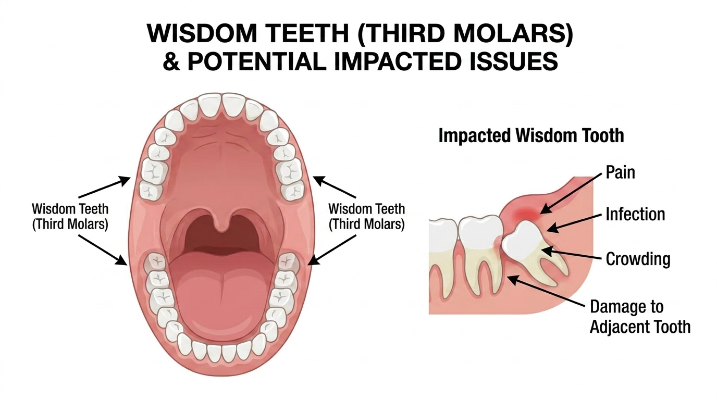
What Are Wisdom Teeth and Why Do They Matter?
Wisdom teeth, scientifically known as third molars, typically emerge between the ages of 17 and 25. Historically, these teeth served to enable our ancestors to chew tougher food. However, with the evolution of human diets and the reduction in jaw sizes among modern populations, many people face complications with these extra molars.
Common reasons for their removal include impaction—where the teeth fail to fully erupt, causing pain or inflammation—and overcrowding, which misaligns adjacent teeth. Not every individual requires extraction; dentists emphasize the significance of a personalized assessment that considers factors such as tooth position, jaw anatomy, and overall dental health. This individualized approach guarantees that patients receive care tailored to their unique situations.
Why Are Wisdom Teeth Removed?
The potential complications stemming from wisdom teeth often necessitate their removal. Overcrowding occurs when there is insufficient space for these molars, resulting in pressure against adjacent teeth and misalignment. Another prevalent issue is impaction, where teeth become trapped beneath the gums, creating pain and an increased risk of infection. Patients should look for symptoms such as lingering pain in the back of the mouth, swelling or redness around the gums, and difficulties when opening the jaw. If overlooked, these conditions can escalate into serious dental problems, including cysts or periodontal disease. Monitoring the situation closely and considering extraction when necessary is paramount in preserving good oral health.
How Dentists Evaluate Wisdom Teeth
When assessing wisdom teeth, dental professionals typically commence with a thorough visual examination of the oral cavity and surrounding tissues, looking for signs of inflammation or infection. They often perform palpation—gently feeling the gums and jaw to spot areas of discomfort or abnormalities—offering insights into both the teeth's positioning and the likelihood of complications.
To glean a deeper understanding of the dental structure, imaging techniques are employed. The usual method is panoramic X-rays, which provide comprehensive views of the jaws and teeth, facilitating evaluations of alignment and sources of impaction. In more complex cases, CT scans may be employed, yielding three-dimensional images that reveal the detailed positioning of wisdom teeth in relation to vital anatomical components, thereby guiding effective treatment decisions and surgical planning.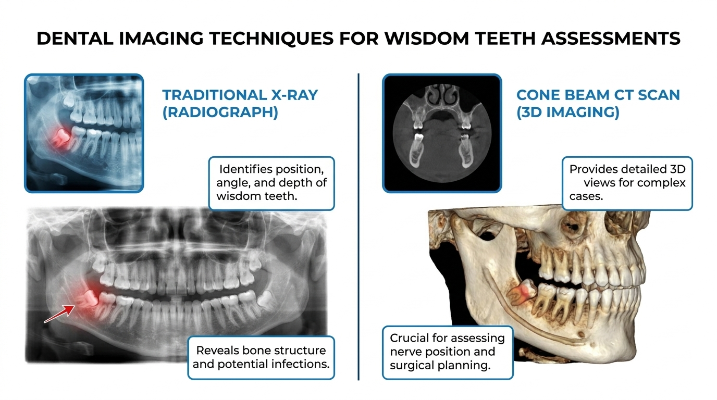
Types of Anesthesia Used for Wisdom Teeth Removal
Patients undergoing wisdom teeth extraction can expect various anesthesia options designed to minimize discomfort and facilitate a smooth surgical experience. The most common types include local anesthesia, sedation, and general anesthesia. Local anesthesia targets the specific area around the teeth being extracted, allowing patients to remain awake while feeling no pain during the procedure. This option is ideal for those who experience anxiety yet wish to stay conscious. Sedation anesthesia involves administering medication that induces relaxation, either through inhalation or intravenous methods, helping patients feel calm and less aware of the ongoing procedure. Finally, general anesthesia completely renders the patient unconscious—this option suits complex extractions or those preferring not to retain memories of the surgery at all.
The procedure begins with administering the selected anesthesia, ensuring patient comfort. Once numbness ensues, the dentist or oral surgeon will thoroughly examine the area. Loosening the wisdom tooth follows, and the gentle extraction is performed, concluding with cleaning the extraction site. Afterward, patients receive detailed post-operative instructions to support recovery and outline expected post-surgery experiences, ensuring they feel prepared for the recovery ahead.
Wisdom Teeth Removal Recovery Timeline and Aftercare
Once wisdom teeth are removed, individuals typically undergo a recovery process with various stages. Most start recovering within a few hours after the surgery, focusing on pain and swelling management. Initial discomfort peaks around 24 to 48 hours post-extraction, after which symptoms usually begin to diminish. By the conclusion of the first week, many patients report considerable improvement, facilitating a gradual return to their usual activities. However, complete healing of the extraction sites can take anywhere between three and six weeks, depending on individual health conditions and the complexities of the extraction process.
For optimal recovery, it’s critical to follow recommended aftercare practices. These include the intermittent application of ice packs to the cheeks during the first day to alleviate swelling, consuming soft foods while remaining adequately hydrated, but avoiding difficult-to-eat items. Maintaining oral hygiene is vital; however, patients should refrain from vigorous rinsing or using straws for at least a week to avoid dislodging the blood clots essential for healing. Regular follow-up appointments are crucial to monitor recovery and preclude complications, ensuring a smooth transition back to normal activities.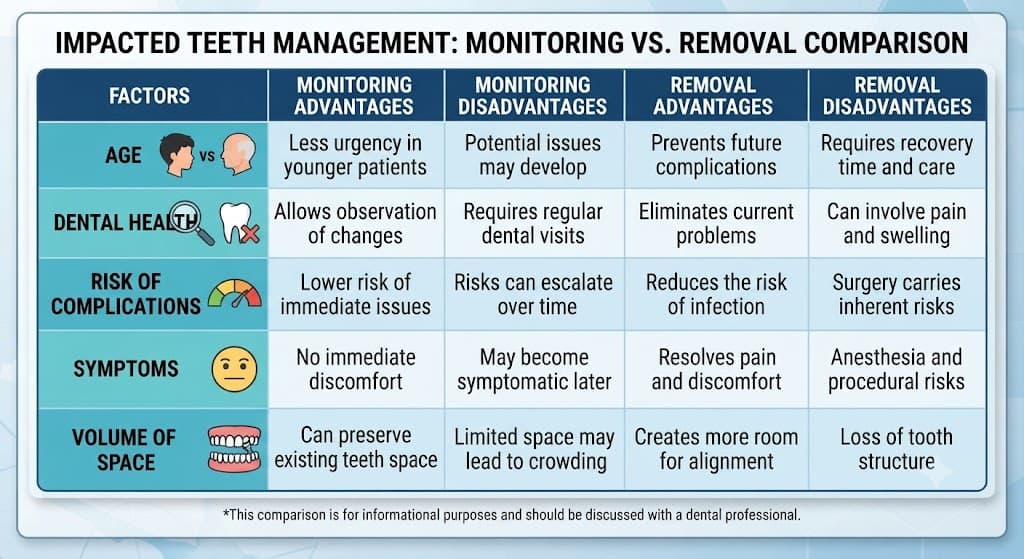
Possible Risks and Complications After Wisdom Teeth Removal
While wisdom teeth removal is a prevalent procedure, it is not without risks that patients must consider. One of the prominent risks is dry socket, which occurs when the blood clot at the extraction site either dislodges or fails to develop properly, resulting in severe pain and extended healing. Infections also pose a significant concern, marked by symptoms such as swelling, fever, or pus discharge around the extraction area. Additional complications may include nerve damage, resulting in numbness or tingling sensations in the lips or jaw, and sinus issues, particularly following the removal of upper wisdom teeth.
Patients must identify alarming symptoms that necessitate immediate dental consultation. Warning signs include persistent or worsening pain unresponsive to over-the-counter medications, a fever above 101°F, excessive bleeding saturating a gauze pad within 30 minutes, or any swelling spreading beyond the oral cavity to the face or neck. If any of these symptoms arise, contacting the dentist promptly is essential, as timely intervention can avoid more severe complications and facilitate a smoother recovery.
Key Questions for Your Oral Surgeon
- What is the rationale behind my wisdom teeth extraction? Gaining insight into the necessity of the surgery is essential for understanding its significance for your oral health.
- What methods and anesthesia options will be utilized? Inquiring here can clarify what to anticipate regarding comfort and procedural approach.
- What are the potential risks and complications associated? Understanding these risks is vital for weighing the procedure's importance against your concerns.
- What should I expect in the recovery phase? It’s essential to know about pain control and the healing timeline to plan your post-surgery activities effectively.
- How will I care for my mouth after the extraction? Clear instructions will empower you to ensure proper healing and minimize complications post-surgery.
- When should I schedule a follow-up consultation? Clarifying this will help ensure that your recovery is monitored correctly and any emergent issues are addressed swiftly.
Making the Right Decision About Wisdom Teeth Removal
The need for wisdom teeth removal depends on each person’s dental condition, including factors such as tooth position, available space, and the risk of future problems. A dental examination and imaging can help determine whether extraction is necessary or if monitoring is a better option.
Some people may never experience issues with their wisdom teeth, while others may develop problems such as pain, infection, or damage to nearby teeth. Discussing your situation with a dental professional can help you understand the benefits, risks, and timing of treatment, allowing you to make a decision that best supports your oral health.