Root Canal Cost What the Procedure Involves and What to Expect
Canker Sores Symptoms, Causes, and How to Manage Them
Understanding Full Mouth Dental Implants Costs, Insurance, and Key Insights

How Much Does Dental Insurance Cost A Comprehensive Guide to Understanding Dental Coverage
Understanding Orthodontic Treatment
Orthodontic treatment is a specialized segment of dentistry dedicated to diagnosing, preventing, and correcting improper alignment of teeth and jaws. Patients often seek orthodontic care not just for cosmetic improvements but also to resolve functional challenges that stem from misaligned teeth. Key dental problems that commonly necessitate orthodontic intervention include overcrowding of teeth, spacing gaps, bite irregularities such as overbites and underbites, and general alignment concerns where teeth might be crooked or improperly oriented.
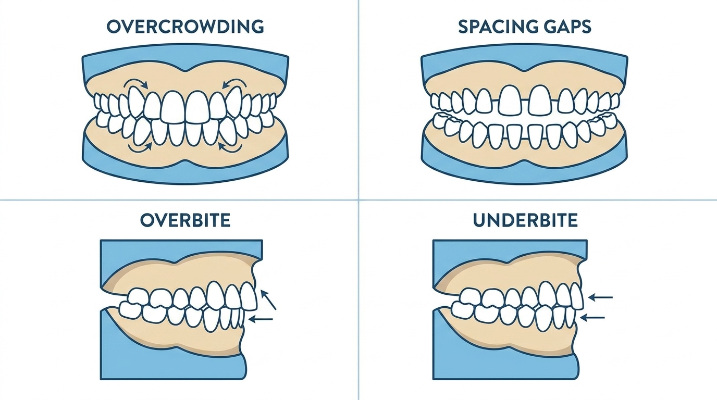
Addressing these misalignments is vital for enhancing both oral health and appearance. Misaligned teeth can lead to more severe dental complications in the future, underscoring the importance of timely orthodontic care.
The Purpose of Orthodontic Treatment
The primary objective of orthodontics lies in improving the alignment of teeth, correcting various bite issues, and promoting overall oral health. Misalignment can lead to complications that transcend mere aesthetics, including difficulties when chewing, speech impairments, and excessive wear on tooth enamel. For example, individuals suffering from an overbite may face chronic jaw pain in addition to concerns regarding their smile.
Moreover, straightening teeth can significantly enhance one’s appearance while simplifying the maintenance of oral hygiene. Teeth that are crooked or overcrowded are prone to trapping food and plaque, which can result in cavities and gum disease. By employing braces or aligners, orthodontic treatment creates a healthier oral environment, leading to improvements in both the function of teeth and self-confidence. Investing in orthodontic care is undoubtedly a step towards achieving better oral health and a radiant smile.
Overview of Orthodontic Treatment Options
Orthodontics includes a diverse array of treatment approaches tailored to various dental concerns and individual patient needs. Treatment options range from traditional metal braces to ceramic braces and clear aligners, chosen based on the severity of bite problems and misalignment. For less severe cases, removable appliances like retainers may suffice. Each treatment option is designed to balance comfort, aesthetics, and effectiveness, ensuring that both the patient's oral health and personal preferences are taken into account. This introduction sets the stage for a deeper examination of each orthodontic treatment in the ensuing sections.
How Fixed Braces Function
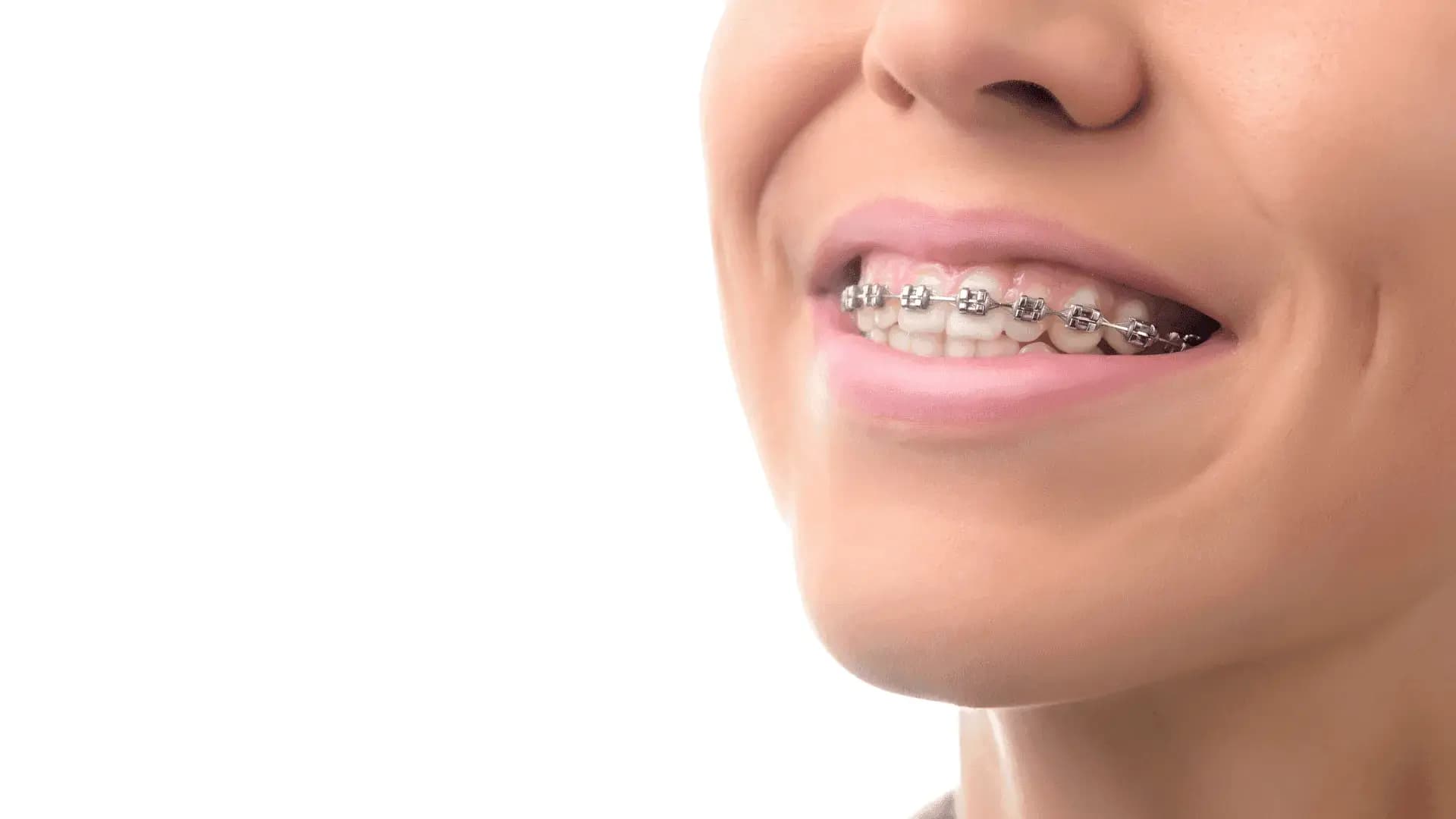
Fixed braces, commonly referred to as traditional braces, consist of metal brackets securely attached to the teeth, interconnected by wires and rubber bands. The mechanics of these braces rely on the application of consistent pressure on the teeth, which gradually guides them into proper alignment over time. The orthodontist can adjust the wires to manipulate the movement and positioning of the teeth precisely.
Fixed braces are versatile and suitable for a broad age range, including children, teenagers, and adults who experience various orthodontic challenges like overcrowded teeth, gaps, or misalignments. They are especially effective for resolving more complex dental alignment issues that clear aligners may not adequately address.
However, fixed braces come with their own set of pros and cons. On the plus side, they are highly effective and versatile, allowing for customized treatment plans tailored to individual needs. Conversely, several patients report discomfort during and after adjustments, and maintaining proper oral hygiene is essential to prevent plaque buildup around the brackets. Furthermore, certain foods can pose challenges as they can potentially dislodge brackets or bend wires, necessitating additional maintenance appointments. Ultimately, fixed braces stand out as a dependable solution for achieving straighter and healthier teeth.
Understanding Removable Braces
Removable braces, often known as aligners or plates, are frequently employed in orthodontics for treating mild to moderate misalignment of teeth. They are particularly advantageous for younger patients whose dental structures are still developing, as they can effectively guide tooth growth and jaw alignment. These braces are favored for their visual appeal—almost invisible once worn—and their ability to be removed during meals and brushing, which promotes better oral hygiene and comfort for the wearer.
Despite their advantages, removable braces have limitations. They are generally ineffective for severe alignment issues and complex orthodontic challenges that require more substantial intervention. Their effectiveness largely hinges on the patient's adherence to the prescribed wearing schedule. Aligners must be worn for approximately 20 to 22 hours each day to maximize their results.
Failure to comply with this schedule can lead to prolongation or ineffectiveness of the treatment, resulting in frustration for both the patient and the orthodontist. Therefore, clear communication between the orthodontist and the patient regarding the importance of compliance is crucial. Although removable braces can be an effective option for many individuals, their success is primarily dependent on the patient’s commitment to adhering to the prescribed wearing guidelines.
The Role of Functional Appliances in Jaw Development
Functional appliances play an integral role in orthodontic treatment, especially for younger patients. These devices are designed to capitalize on the natural growth potential of a child's jaw, guiding its development towards proper alignment. By repositioning the jaw, functional appliances can effectively address challenges such as overbites, underbites, and discrepancies in the upper and lower dental arches.
These appliances are often used during significant growth spurts in childhood and early adolescence, enhancing jaw alignment and reducing the need for more invasive treatments in the future. They work by applying gentle, continuous pressure on the teeth and jaws, encouraging growth in directions that foster proper occlusion.
For numerous children, the use of functional appliances can dramatically enhance both facial aesthetics and oral functionality. Their effectiveness in facilitating proper jaw development has solidified their status as a key tool in pediatric orthodontics, ensuring that young patients achieve optimal results as they mature.
Exploring Clear Aligners as an Option
Clear aligners represent a groundbreaking alternative to conventional metal braces, utilizing a succession of custom-molded, transparent plastic trays to progressively shift teeth into the desired position. Ripe with advantages, clear aligners have gained popularity due to their subtle appearance and the option to be removed for eating and cleaning, providing notable convenience and comfort. Clear aligners, such as Invisalign and ClearCorrect, are available mainly through private orthodontic offices and can be customized to suit a wide array of dental issues, from mild spacing concerns to more intricate misalignments.
However, determining eligibility for clear aligners is contingent on specific orthodontic requirements. While many adults and teens find them suitable, those with severe alignment cases may still need traditional braces for optimal results. Therefore, an in-depth consultation with an orthodontist is essential to ascertain whether clear aligners are the best solution for individual orthodontic needs.
The Importance of Retainers for Long-Term Stability
Retainers serve as critical instruments in preserving the results obtained through orthodontic treatment. After braces have been removed, the tendency for teeth to revert to their original positions exists due to the memory of the periodontal ligaments and surrounding soft tissues. Retainers are indispensable in preventing this regression and ensuring that teeth remain correctly aligned.
The degree of retainer wear required varies over time; initially, continuous wear may be mandatory, transitioning to nighttime usage after a few months. Long-term care requires regular orthodontic visits to monitor alignment and assess whether adjustments are necessary.
Proper maintenance of retainers is equally vital; they need regular cleaning and careful storage to prevent damage. By adhering to these guidelines, patients can maintain their newly straightened smile for numerous years, underscoring the significance of a lasting commitment to dental health post-treatment.
A Step-by-Step Guide to the Orthodontic Process
Orthodontic treatment encompasses several crucial stages guiding patients from the initial evaluation to the final retention phase.
- Initial Assessment: The process begins with a consultation where the orthodontist evaluates the patient's dental and facial structure. X-rays, photographs, and dental impressions may be collected to analyze alignment and identify orthodontic problems.
- Treatment Planning: Following the assessment, the orthodontist formulates a personalized treatment strategy, selecting the most appropriate braces or appliances for the identified dental concerns.
- Active Treatment: Upon agreement on the treatment plan, the active phase begins. Braces or aligners are fitted, and regular adjustments are scheduled to progressively shift the teeth into their optimal positions. The duration of this phase can range from several months to a few years, depending on the complexity of the case.
- Monitoring Progress: Continuous monitoring throughout treatment ensures that teeth are moving as intended, allowing for timely modifications when necessary.
- Retention Phase: After successfully achieving the desired results, retainers are fitted to maintain the new positions of the teeth, a vital step in preventing relapse and preserving alignment over the long term.
Who Qualifies for Orthodontic Treatment?
Several key factors determine eligibility for orthodontic treatment. The severity of teeth misalignment is paramount; individuals exhibiting significant dental irregularities typically receive priority for intervention. Additionally, assessments differentiate between functional needs, which involve health-related issues like biting or chewing difficulties, and cosmetic desires centered around aesthetic improvement.
Age is another vital consideration; while orthodontic care is commonly associated with children and teenagers, an increasing number of adults also pursue orthodontic solutions, benefiting from modern techniques available today. Moreover, eligibility may align with NHS criteria, focusing on treatments categorized as medically necessary. A multidisciplinary evaluation performed by orthodontists is essential to ascertain the complexity, timing, and suitability of various treatment options tailored to each patient’s unique orthodontic journey.
Comparing NHS and Private Orthodontic Treatment Options
The decision to choose between NHS and private orthodontic care can profoundly influence accessibility and treatment outcomes. NHS orthodontics generally centers on cases deemed medically necessary, with a focus on children and teenagers under the age of 18. Consequently, patients may encounter lengthy waiting durations, sometimes stretching over several months or even years. The cost structure is generally affordable, with treatments funded by the government, but only basic appliances are accessible, constraining cosmetic options.
In contrast, private orthodontic care offers immediate access—usually at a range of costs extending from hundreds to thousands of pounds based on treatment complexity and duration. Private clinics provide an expansive selection of appliances, including clear aligners and lingual braces, attracting adults seeking cosmetic enhancements. Ultimately, although the NHS offers budget-friendly and accessible treatment, private care affords increased flexibility and swifter results, catering to individual aesthetic goals and urgency in obtaining care.
Accessing Orthodontic Treatment: Key Steps
Initiating orthodontic treatment involves several strategic steps. First, individuals should commence with a dental check-up, during which general dentists will evaluate their oral health and ascertain the necessity of orthodontic intervention. If it is deemed appropriate, the dentist proceeds to provide a referral to an orthodontist.
Afterward, patients can schedule a consultation with the orthodontist, who will perform a thorough assessment of dental alignment and present various treatment alternatives. During this visit, X-rays and molds might be collected to facilitate a customized treatment plan. Once this plan is set in motion, patients may face waiting lists, which can fluctuate based on demand and the orthodontic practice’s schedule.
By following these steps, patients receive comprehensive guidance, ensuring they can choose the most effective treatment options for optimal dental health.
Duration of Orthodontic Treatment
The duration required for orthodontic treatment can vary widely based on several factors. Typically, treatment may span anywhere from 6 months to 2 years. Straightforward cases, frequently treated with clear aligners, might yield results in a relatively short period, while more complex issues often necessitate more intensive treatments with conventional braces.
Among the primary determinants affecting the length of treatment are the complexity of the orthodontic issue, patient compliance regarding appliance usage, and the frequency of follow-up visits. For instance, patients who consistently adhere to their orthodontist’s recommendations related to wear time and oral hygiene may discover that their treatment progresses more swiftly. Additionally, the choice of appliance—whether braces, aligners, or alternative methods—also markedly influences how long treatment will last. Grasping these factors can help patients cultivate realistic expectations for their orthodontic journey.
Maintaining Oral Health During Orthodontic Treatment
Upholding oral hygiene remains crucial throughout orthodontic treatment to guard against cavities and gum disease. It is recommended to brush teeth after every meal using a soft-bristled toothbrush and fluoride toothpaste, ensuring thorough cleaning around brackets and wires. Daily flossing with a floss threader or ortho-floss, designed for maneuverability around appliances, is essential.
Dietary considerations are equally vital; patients should steer clear of hard, sticky, and sugary foods that can inflict damage on brackets or contribute to plaque accumulation. Instead, opting for softer snacks like yogurt, cheese, and fruits can be beneficial.
Regular orthodontic check-ups are vital for monitoring treatment progress and making necessary adjustments. Lastly, exercising caution is crucial; patients should refrain from using teeth as tools to open packages or biting on hard items to prevent appliance damage.
By adhering to these practices, patients can enhance their chances of achieving a successful and healthy orthodontic experience.